Overview
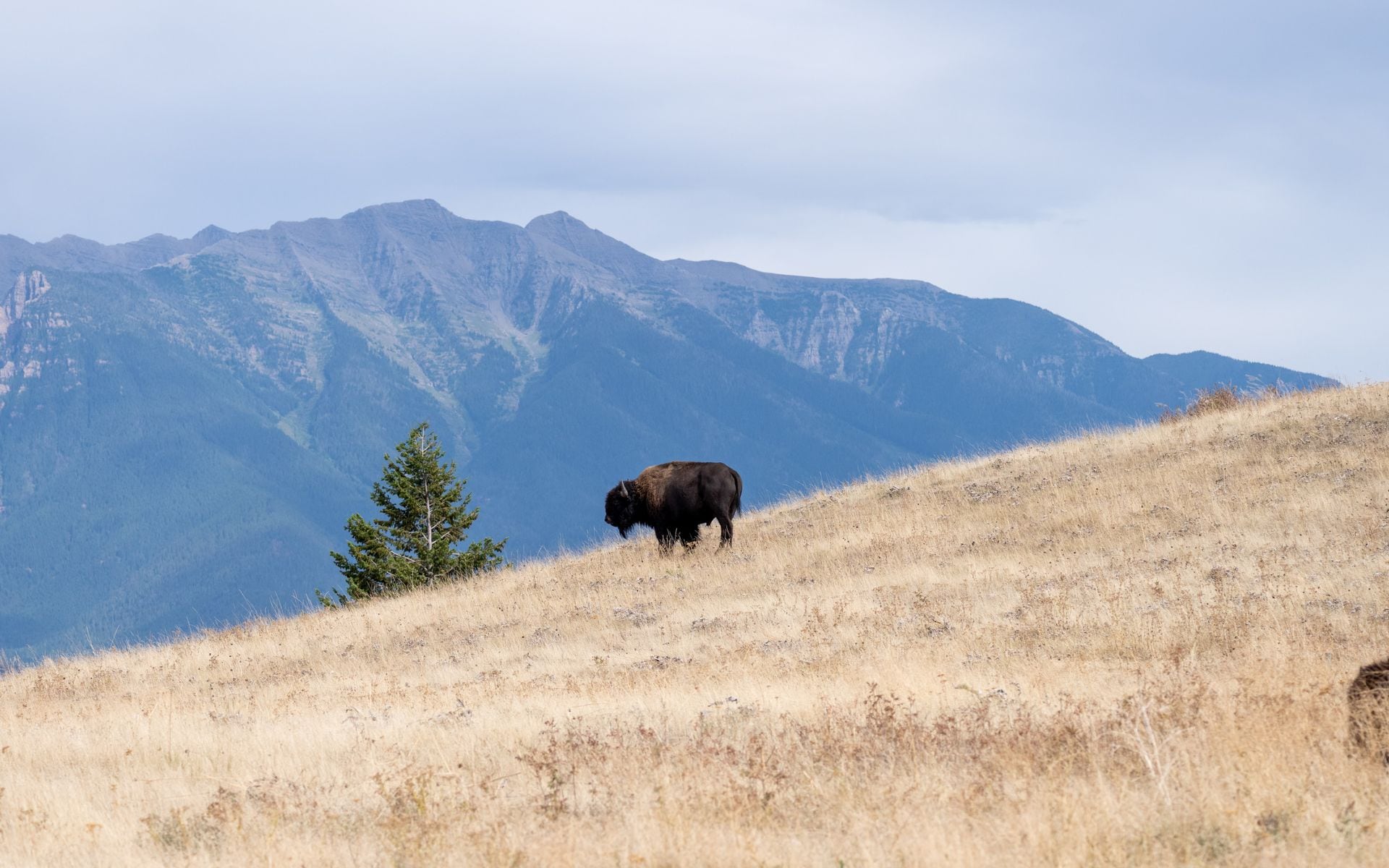
Montana has more large-mammal diversity than almost anywhere in the contiguous U.S. The state holds the largest grizzly bear population in the lower 48, multiple gray wolf packs reestablished in the Yellowstone ecosystem since 1995, bison herds that number in the thousands, mountain goats visible from roadside pull-offs in Glacier National Park, and pronghorn antelope across the eastern plains. The variety is what separates Montana from other wildlife-watching destinations: you might spot an elk herd at dawn, a grizzly digging for whitebark pine nuts by midmorning, and a golden eagle riding thermals on the drive back to town.
The two biggest wildlife anchors are Glacier National Park in the northwest and Yellowstone National Park, accessible from three Montana gateways: Gardiner on the north, West Yellowstone on the west, and Cooke City via the Northeast Entrance. Glacier is steeper and more compressed, putting you face-to-face with mountain goats, bighorn sheep, and grizzlies on relatively short trails. Yellowstone is flatter and anchored by the Lamar Valley in the northeast corner, which is the most reliable predator-watching corridor in North America. Beyond the parks, the Mission Valley and the National Bison Range near Charlo (about 35 miles south of Flathead Lake) give you close-range bison encounters without a national park entrance fee. The Beartooth Highway corridor along US-212 between Red Lodge and Cooke City is one of the best places in Montana to spot bighorn sheep right off the pavement.
If you are building a trip that combines wildlife with other Montana experiences, our Montana Travel Guide covers the full picture. And if you want to base yourself in a small town close to prime wildlife country, see our guide to the best small towns in Montana, which includes Gardiner, Cooke City, West Yellowstone, and St. Mary near the east side of Glacier.
What to Expect
You watch wildlife at dawn and dusk. That is not a stylistic preference; it is how animal activity patterns work. Elk, deer, bears, and wolves are most active in the hour after sunrise and the two hours before dark. The midday window, especially in July and August, produces far fewer sightings as animals move into shaded draws or higher-elevation terrain. Planning your viewing around those early and late windows matters more than which specific valley you choose.
Optics matter more than most first-timers expect. A pair of 8x42 or 10x42 binoculars is the useful minimum. A 20x-60x spotting scope on a tripod is the difference between identifying a black dot on a far ridge and watching a grizzly and her cubs work a berry patch across a valley. Many guided tours provide scopes; confirm before booking. If you are going self-guided, a mid-range scope in the $300-$600 range earns its cost across multiple trips.
Safety protocols apply across all of Montana's federal lands. Stay at least 100 yards from bears and wolves, at least 25 yards from bison and elk. The 25-yard bison rule matters because bison can sprint at 35 miles per hour and have injured more Yellowstone visitors than any other animal in the park. If an animal shifts its body orientation toward you or changes its behavior because of you, back away slowly without turning your back on it.
Best Season
April and May: Bears come out of dens as snowmelt exposes vegetation on south-facing slopes, bison calves appear in the Lamar Valley by early May, and wolf packs are active with pups. The parks are far less crowded than summer, though some roads and higher trails remain closed. The Many Glacier road in Glacier National Park typically opens fully by late May, and that valley holds one of the highest grizzly densities in the park.
Late June through early September: Peak visitor season and the most accessible time, with full trail systems open and long daylight hours. Mountain goat habitat becomes reachable on routes like Glacier's Highline Trail above Logan Pass. Wildlife still moves actively, but animals use shaded corridors and higher elevations from mid-morning through late afternoon. The Lamar Valley and Many Glacier are both worth an early alarm clock regardless of when you visit.
Late September through October: Arguably the most productive months for serious wildlife watching. The elk rut runs from mid-September through mid-October. Bull elk bugling at dawn in the Paradise Valley south of Livingston, or in the Gardiner Basin just outside Yellowstone's North Entrance, is one of the defining Montana experiences. Grizzlies enter hyperphagia in September, feeding heavily along berry slopes and stream corridors to put on weight before denning. They are more visible during this period than at any other point in the year.
November through March: Yellowstone becomes the clear destination. The northern road between Gardiner and Cooke City (US-89 and US-212) stays open to private vehicles year-round, making it the only major wildlife corridor in the park accessible without a snowcoach or snowmobile. Wolf pack activity peaks in winter when packs shadow bison herds into the thermal basins. The Lamar Valley in January or February is cold, with overnight lows regularly reaching -15 to -25°F, but sightings are often the most consistent of the year.
Typical Costs (Estimates)
Park entry: A 7-day vehicle pass to Glacier or Yellowstone costs $35 (2024 rate). The National Bison Range charges a nominal vehicle fee, estimated at $8-12, or is covered by a federal recreation pass.
Half-day guided wildlife tour: $85-$150 per person (estimate). These run 4-5 hours and cover either the dawn or dusk active window. Most include spotting scopes and transportation from a meeting point in Gardiner, West Yellowstone, or the Flathead Valley near Glacier.
Full-day guided tour: $175-$325 per person (estimate). Full-day trips cover both the morning and evening active periods, often include a meal break, and give you extended time in the most productive corridors. Worth the additional cost if you have a specific species you are prioritizing.
Private guided day: $450-$800 per day (estimate). Designed for photographers, small groups, or anyone wanting a completely customized route and flexible time in each location. Many private guides work year-round and track wolf pack and grizzly locations daily through their own networks and radio telemetry data shared by researchers.
Self-guided: Fully viable and often rewarding. The Lamar Valley pull-offs, the Many Glacier Valley road, the National Bison Range 19-mile auto tour, and the Beartooth Highway are all accessible by personal vehicle. Budget fuel accordingly; Gardiner to the far end of the Lamar Valley is roughly 50 miles from the North Entrance, and productive wildlife watching in Montana typically means driving long corridors slowly and stopping often.
How to Book
Guided tours in the Yellowstone area fill up weeks in advance from July through September, and wolf-watching tours tend to sell out the fastest. Book 4-6 weeks ahead for peak summer trips, and 2-3 weeks ahead for fall. Winter tours usually have more availability, though road conditions can occasionally limit access to specific viewing areas. Browse our Tour Operators and Guides directory for outfitters organized by region.
For Yellowstone wildlife tours specifically, Gardiner-based operators like Yellowstone Wild Tours have the clearest access to the northern range, which runs from the Blacktail Plateau through Tower Junction and into the Lamar Valley. This corridor is where wolf packs and bison herds are most concentrated through most of the year. West Yellowstone guides, including Yellowstone Vacation Tours and BrushBuck Wildlife Tours, typically cover the Gibbon and Madison river corridors, which are productive for bison, elk, and bald eagles but less consistent for wolf sightings.
Wildlife watching pairs well with other Montana activities. Our 5 Days in Montana itinerary routes you through both Glacier and Yellowstone with realistic drive times built in. A cold dawn session at Lamar often ends by 9 AM, which leaves the afternoon open for a soak at one of Montana's natural hot springs. On the Glacier side, Glacier Guides and Montana Raft in West Glacier runs guided park tours and e-bike trips along the Going-to-the-Sun Road corridor where mountain goat and bear encounters are common. Many dude ranches and horseback outfitters also incorporate wildlife-focused trail rides into their programming, particularly in the Paradise Valley and Beartooth foothills where horse travel takes you into terrain a road vehicle cannot reach.
Frequently asked questions
Where is the best place to see grizzly bears in Montana?
The Many Glacier Valley in Glacier National Park and the Lamar Valley area of Yellowstone are both consistently productive for grizzly sightings. In Glacier, the Two Medicine corridor on the southeast side of the park has high grizzly density and a fraction of the crowds you find at Logan Pass. Rangers at any Glacier visitor center can tell you about recent sightings, since bears move with food sources and the information changes day to day.
Can you see wolves in Montana without a guide?
Yes. The Lamar Valley in Yellowstone is the most reliable self-guided spot for wolves in Montana. Use the established roadside pull-offs between Tower Junction and the Northeast Entrance near Cooke City, arrive before first light, and scan the valley floors with binoculars. November through March offers the most consistent sightings, when wolf packs follow bison herds into the lower thermal terrain. A spotting scope improves your odds significantly, especially when wolves are working the far ridgelines.
What is the best time of year to see wildlife in Montana?
Late September through October is the strongest overall window. The elk rut is underway, grizzlies are feeding heavily before denning and more visible than any other time, and visitor counts drop noticeably after Labor Day. Spring (April-May) is excellent for bear emergence and bison calves. Winter is the best time for wolf watching in Yellowstone, where the northern road between Gardiner and Cooke City stays open to cars all year, giving you access to the Lamar Valley corridor even in January.
Do I need a guided tour or can I do wildlife watching on my own?
Both approaches work. The Lamar Valley in Yellowstone and the Many Glacier Valley in Glacier are accessible by personal vehicle and reward self-guided visitors with decent optics and early starts. Guided tours add real value when you want someone who tracks daily animal locations, knows individual wolves by markings, or can position you correctly without spending your limited time on unproductive roads. For a first trip with only a day or two in Yellowstone, a half-day guided tour on the northern range is usually worth the cost.