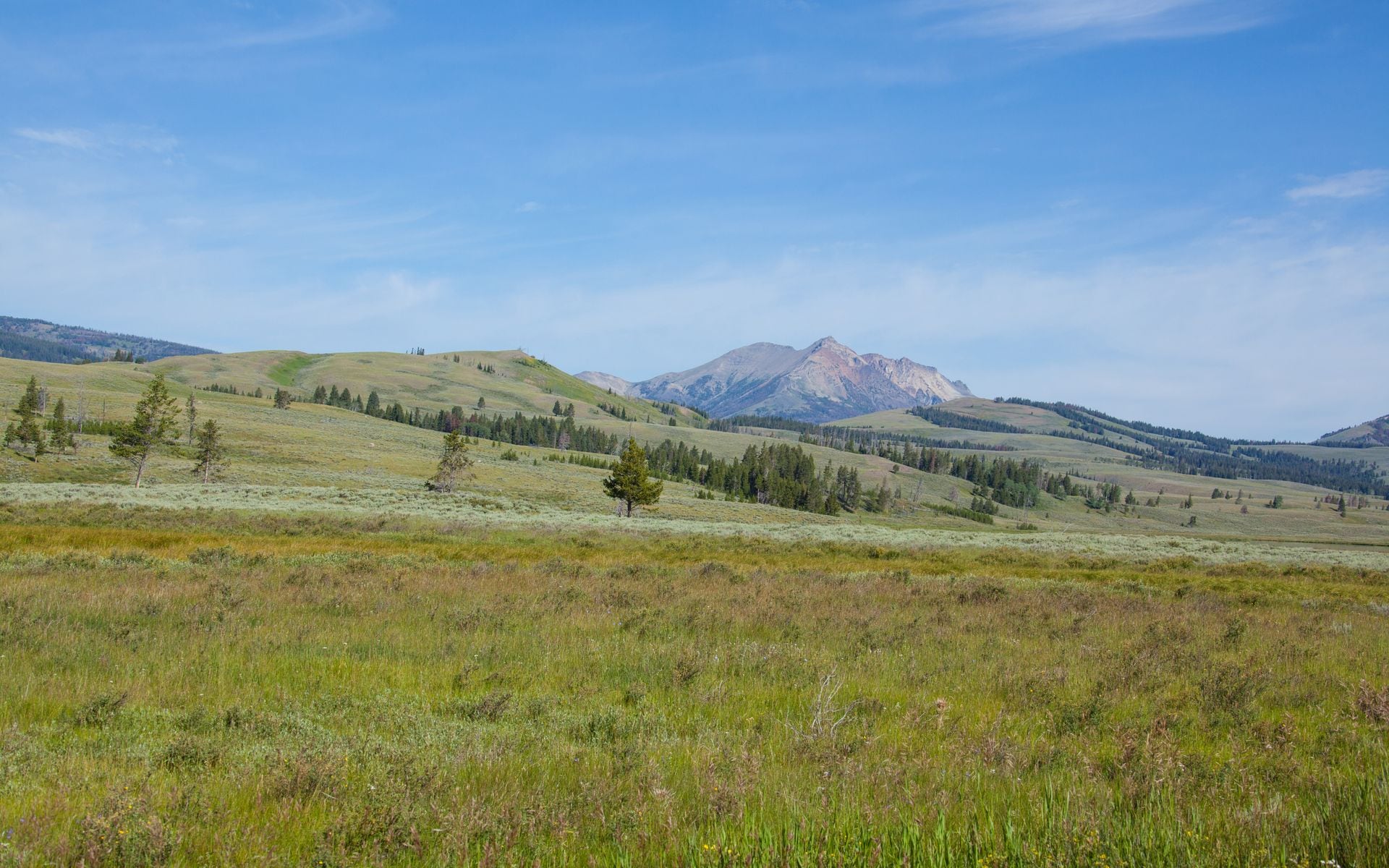
Why Visit Yellowstone Country
Yellowstone Country is anchored by Bozeman, a city with a packed downtown, the Museum of the Rockies (one of the finest dinosaur fossil collections in the world), and Bozeman Yellowstone International Airport (BZN) with nonstop flights from more than 20 US cities. From BZN you can reach Yellowstone's North Entrance in Gardiner in about 85 miles and 90 minutes of driving. Big Sky Resort, one of the largest ski areas in North America by acreage, sits 50 miles south of Bozeman along US-191.
What makes this region work as a travel destination is the density of options within a manageable radius. The Gallatin River runs directly alongside US-191 from Big Sky to Bozeman, drawing anglers, rafters, and kayakers all summer. The Paradise Valley between Livingston and Gardiner follows the Yellowstone River through open ranch country with the Absaroka Range rising to the east. The Beartooth Highway climbs to 10,947 feet on its way from Red Lodge to Cooke City. You can read more about planning a trip across the whole state on the Montana Travel Guide.
Top Places in Yellowstone Country
Yellowstone National Park is the centerpiece. Montana holds three of the park's five entrances: the North Entrance at Gardiner, the West Entrance at West Yellowstone, and the Northeast Entrance via Cooke City. Gardiner is the only entrance road open to private vehicles year-round, which makes it the right base for winter visits. The Lamar Valley, reached through the Northeast Entrance, offers the best wildlife corridor in the lower 48: bison herds numbering in the thousands, grizzly bears, and wolf packs visible from pull-outs along the road at dawn and dusk, especially April through November.
Bozeman works as the regional hub for most travelers. The city sits at about 4,800 feet in the Gallatin Valley, with the Bridger Range rising to the north. It functions as a real university town with walkable streets, outdoor gear shops, and a dining scene worth exploring: Montana Ale Works on East Main is a reliable stop for craft beer and bison potstickers, while Copper Whiskey Bar and Grill, a few blocks away, draws a crowd with steaks and one of the better bourbon selections in the state. Bridger Bowl, a locally loved ski area 16 miles northeast of town, draws Bozeman residents on powder days and makes a strong alternative to the bigger-ticket experience at Big Sky.
Big Sky is about 50 miles south of Bozeman on US-191, sitting at roughly 7,200 feet at the base of Lone Peak. In winter it operates as one of the largest resort ski destinations in the country. In summer the trails above the mountain open for hiking and mountain biking, and the Gallatin River through the canyon draws guided whitewater raft trips through July and August.
Livingston, 25 miles east of Bozeman on I-90, is a legitimate reason to slow down. The town of about 8,000 has well-preserved late-1800s railroad architecture along Park Street, direct Yellowstone River fishing access, and a restaurant scene that most similarly sized Western towns cannot match. Red Lodge, about 60 miles southeast of Billings on US-212, anchors the Carbon County end of the Beartooth Highway with a historic mining-town core and a compact local ski area, Red Lodge Mountain, that suits families and intermediates well.
Top Things to Do
Yellowstone's geothermal features, Old Faithful, Grand Prismatic Spring, and the Norris Geyser Basin, are the main draws for first-time visitors, and they should be. But the Lamar Valley earns a second full day. Pull-outs between Tower Junction and the Northeast Entrance fill with spotting scopes at dawn and dusk, and checking current wolf pack locations with rangers at the Tower-Roosevelt Visitor Center can save you an hour of waiting in the wrong canyon. Wolf sightings in the Lamar are routine, not rare.
Fly fishing on the Madison, Gallatin, and Yellowstone rivers is serious business here. Montana Fish, Wildlife, and Parks classifies all three as blue-ribbon trout streams, and all three hold both brown and rainbow trout. The Madison runs out of the park's West Entrance through Ennis, roughly 60 miles from West Yellowstone. The Gallatin parallels US-191 from Big Sky north to Bozeman. The Yellowstone courses through Paradise Valley on its way from Gardiner to Livingston and beyond. Most outfitters in the region offer half-day wade trips (estimate $300 to $400 for two anglers) and full-day float trips (estimate $450 to $600). Gallatin River Guides, based in the Gallatin Canyon near Big Sky, runs guided half-day and full-day trips on the Gallatin; Montana Angler in Bozeman books guided days on the Madison, Gallatin, and Yellowstone and can put together multi-day lodge packages. Licenses are required for anglers 12 and older and are available at fly shops throughout the region.
The Beartooth Highway (US-212) runs 68 miles from Red Lodge over Beartooth Pass at 10,947 feet down to Cooke City and the Northeast Entrance to Yellowstone. The highway opens roughly around Memorial Day weekend and closes with the first serious snow, typically mid-October. Driving it from Red Lodge in the morning and reaching the Lamar Valley by afternoon makes for one of the best single days you can string together in south-central Montana. Budget five to six hours for the full drive with stops at the summit pull-outs and the switchbacks above Red Lodge. Snow at the pass is possible even in July.
Where to Stay
Bozeman offers the widest range of lodging and the best airport access. Hotels cluster near BZN and downtown; summer rates run roughly $150 to $280 per night for a standard hotel room, with higher weekend pricing in July and August. Staying in Bozeman puts you 90 minutes from Yellowstone's North Entrance and about an hour from Big Sky, which covers most itineraries without forcing a mid-trip move.
Gardiner is the closest town to the park's North Entrance and fills up fast from June through August. Park Hotel Yellowstone on Main Street, steps from the Roosevelt Arch, is among the better-reviewed options in town and has kitchenette rooms that work well for pre-dawn park starts. If you want to be at Mammoth Hot Springs at first light, book three to four months ahead for peak summer nights. West Yellowstone, just outside the West Entrance, is busier and more commercial but has a wider selection of motels, hotels, and cabin rentals if Gardiner is sold out.
For ski trips centered on Big Sky, most visitors stay in the resort village or in the Meadow Village area a few miles down the road. See the full Where to Stay in Montana guide for a region-by-region breakdown of options and price ranges. If you want smaller-town character over resort pricing, Livingston and places highlighted in our best small towns in Montana guide make solid alternatives with genuine local flavor and easier weekend availability.
Getting There and Around
Bozeman Yellowstone International (BZN) is your main entry point. It is the busiest airport in Montana, with nonstop service from Los Angeles, Seattle, Denver, Chicago, Dallas, New York, and more than a dozen additional cities. Billings Logan International (BIL) is a workable alternative if you're focusing on Red Lodge and the Beartooth Highway, Billings sits about 60 miles northeast of Red Lodge on I-90.
A rental car is not optional here. There is no bus or shuttle network connecting Bozeman, Big Sky, Gardiner, West Yellowstone, or Livingston. All major rental agencies operate at BZN. Drive times from Bozeman: Big Sky is 50 miles south on US-191, about 60 minutes; Gardiner (North Entrance) is 85 miles south on US-89, about 90 minutes; West Yellowstone is 90 miles south on US-191 and US-287, also about 90 minutes; Livingston is 25 miles east on I-90, about 30 minutes. For a loop that includes Red Lodge and the Beartooth Highway, plan on a full driving day.
Best Time to Visit
Summer, June through August, is peak season. Yellowstone's interior roads open progressively from mid-April through mid-May, with the full Grand Loop typically accessible by Memorial Day. July and August mean crowds at Old Faithful and Grand Prismatic, but the long daylight and open mountain roads make it the most complete window for first-timers. Campgrounds and lodges inside the park book out months in advance; do not leave accommodations for the last minute.
Late September and October bring the elk rut, golden cottonwoods along the Paradise Valley, and significantly thinner crowds at both the park and in Bozeman. Wildlife viewing in the Lamar Valley picks up again as bears fatten before denning. This is a genuinely underrated window for people who have flexibility.
Winter runs December through March. Big Sky Resort typically opens in mid-November and closes in mid-April; January and February bring the deepest snowpack and best powder conditions. The North Entrance at Gardiner stays open year-round, and snowcoach tours into the park's interior from Gardiner and West Yellowstone run from mid-December through mid-March. Mountain driving in winter means checking the Montana Department of Transportation (MDT) road status tool before every pass, conditions on US-89 through Paradise Valley and on the roads approaching Cooke City can change fast.
Frequently asked questions
Do I need a car to explore Yellowstone Country?
Yes. There is no public transit or shuttle network connecting Bozeman, Big Sky, Gardiner, West Yellowstone, or Livingston. Renting at BZN is the standard approach, and all major agencies operate at the airport. Within Yellowstone National Park itself, a free park shuttle runs on some routes in summer between visitor centers and trailheads, but you still need a car to move between gateway towns.
How far is Bozeman from Yellowstone National Park?
About 85 miles to Gardiner and the North Entrance, roughly 90 minutes on US-89 without stops. West Yellowstone is about 90 miles south on US-191 and US-287, also around 90 minutes. The Northeast Entrance via Cooke City is farther, plan on 2.5 to 3 hours from Bozeman driving through Paradise Valley and over the Beartooth Pass, or approach it from Red Lodge via the Beartooth Highway in summer.
Is Yellowstone Country worth visiting in winter?
Yes, especially if skiing is part of your trip. Big Sky Resort is one of the largest ski mountains in the US, and Bridger Bowl outside Bozeman offers a more local alternative. For Yellowstone itself, the road from Gardiner to Mammoth Hot Springs stays open year-round, and wolf and bison sightings in the Lamar Valley are common all winter. Snowcoach tours into the park's interior run from Gardiner and West Yellowstone from December through mid-March.
When is the best time to see wolves in Yellowstone?
The Lamar Valley near the Northeast Entrance is the most reliable wolf-watching location in the lower 48. Winter (November through March) offers the best visibility because the vegetation is down and wolves move in packs across open terrain. Dawn and dusk are the most productive times regardless of season. Check in with rangers at the Tower-Roosevelt Visitor Center for current pack locations before you drive out.