What to Expect in Bozeman
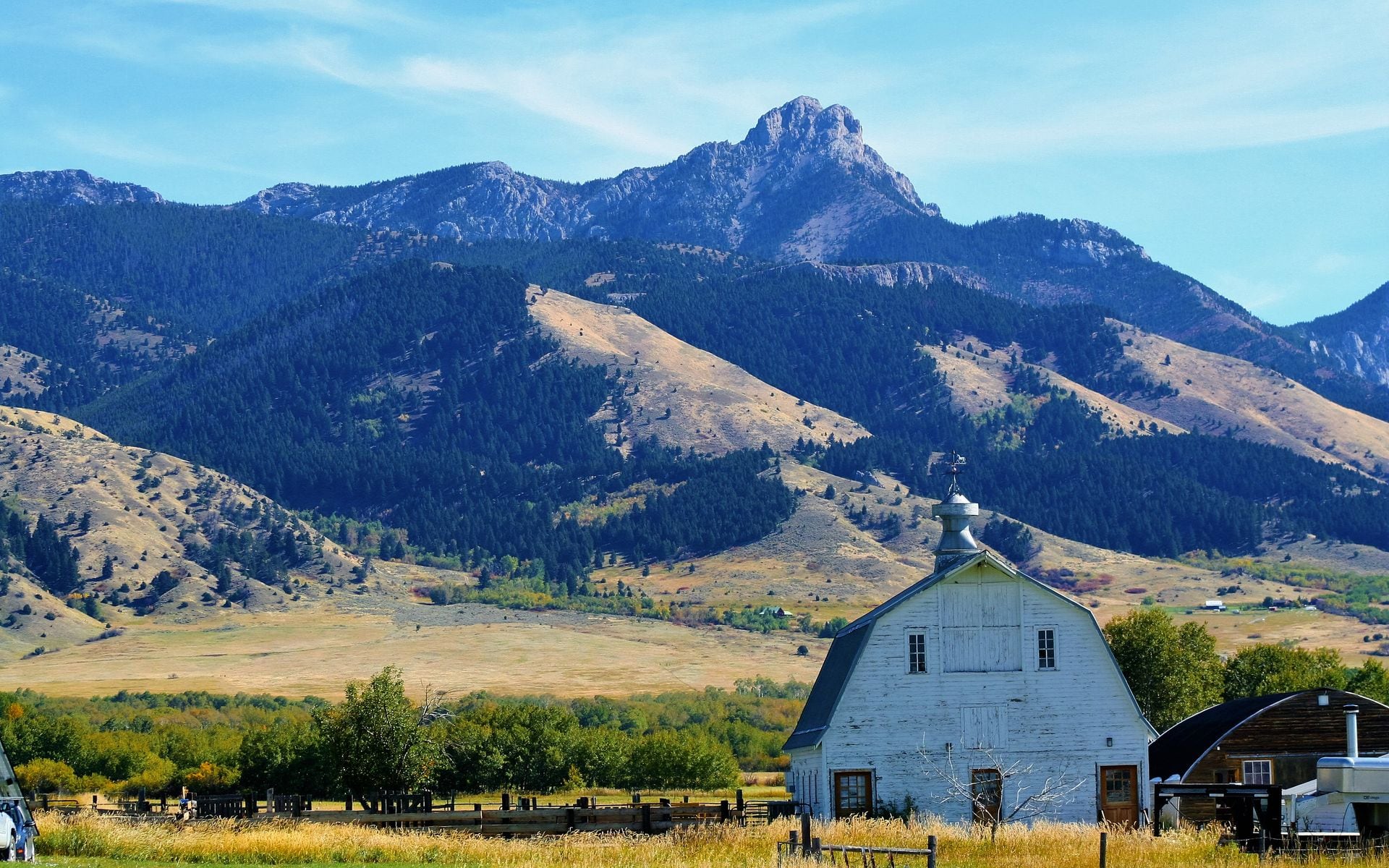
Bozeman sits at 4,820 feet in the Gallatin Valley, bookended by the Bridger Mountains to the northeast and the Spanish Peaks to the south. Montana State University, with about 17,000 students, gives the town a younger, active energy, and a decade of fast growth has added serious restaurants, with Montana Ale Works and Copper Whiskey Bar and Grill anchoring the dining scene on East Main Street, and a walkable downtown without gutting the character. Main Street runs through the center of things and you can cover most of what you need on foot within about six blocks. The surrounding landscape does most of the work. Big Sky Resort is 50 miles south on US-191. The North Entrance to Yellowstone at Gardiner is about 90 miles south via US-89, roughly a 90-minute drive. Bridger Bowl ski area sits 16 miles to the northeast. On most mornings you can see the Bridgers from downtown, which is a reasonable shorthand for what Bozeman is: a functional, genuinely interesting town with exceptional access to bigger things.
Bozeman anchors Yellowstone Country, the south-central Montana region that also covers Big Sky, the Paradise Valley, and blue-ribbon trout rivers like the Madison, Gallatin, and Yellowstone. If you're building a southern Montana trip around the national parks and the ski areas, BZN is where most travelers land, and for good reason.
What to Do in Bozeman
The Museum of the Rockies, on the Montana State campus at 600 West Kagy Boulevard, is one of the best natural history museums in the American West. The dinosaur collection is exceptional, built in part around the fieldwork of paleontologist Jack Horner, who spent decades excavating the Two Medicine Formation in northwest Montana and used those findings to reshape how the field thinks about dinosaur nesting and parental behavior. The fossil gallery covers multiple T. rex specimens, triceratops, and a hadrosaur collection with few equals anywhere in the country. Plan two to three hours; adult admission runs approximately $15-18 (estimate). The planetarium shows add another reason to visit in the evening.
Hyalite Canyon, about 15 miles south of downtown via South 19th Avenue and Hyalite Canyon Road, is the local outdoor playground. Palisade Falls is a short 0.6-mile hike to an 80-foot waterfall, accessible to most fitness levels. Hyalite Reservoir has decent trout fishing and space to paddle. In winter, the canyon draws ice climbers from around the region, and the upper reaches open serious backcountry skiing terrain for those with the gear and experience. The road is plowed to the reservoir year-round, which makes it an unusual winter hiking destination too.
The Gallatin River runs alongside US-191 from Bozeman all the way south through the canyon to Big Sky and beyond. Half-day whitewater rafting trips on the upper Gallatin cover Class II and III rapids through tight canyon walls; outfitters in the valley typically charge $65-90 per person for a half day (estimate). The same river holds brown and rainbow trout, and wade fishing from canyon pullouts is productive from July through early October. Guided float trips on the lower Gallatin near Manhattan, about 15 miles west of town, are an easier introduction for first-timers.
Bridger Bowl is 16 miles from downtown on Bridger Canyon Road, and the ski area runs a free shuttle from Bozeman on winter weekends. The mountain covers 2,600 acres with some of the most consistently steep in-bounds terrain in the state, especially along Bridger Ridge, where chutes like the Nose and the Fingers drop more than 2,000 vertical feet. Day lift tickets run roughly $70-95 adult (estimate), and it draws far fewer weekend crowds than the major resorts to the south. The culture skews local and the lift lines are short even on holiday weekends.
Pete's Hill, officially Burke Park, is a low ridge on the south end of downtown that locals use year-round for trail runs, dog walks, and watching the sun drop behind the Spanish Peaks. The trailhead is at the end of South Church Avenue. You can reach the top in under 20 minutes from the parking area. No fee, no reservation required, and the view of the Gallatin Valley and the Bridgers is straightforward and worth the short effort.
For a day trip, Big Sky is 50 miles south on US-191 and worth a dedicated day even if you're based in Bozeman. In summer that means hiking near Lone Peak, Gallatin Canyon rafting, and the Mountain Village. In winter, Big Sky Resort is one of the largest ski areas in the country with more than 5,800 acres, and Lone Peak rises to 11,166 feet.
Getting There and Getting Around
Bozeman Yellowstone International (BZN) is Montana's busiest commercial airport, with nonstop flights from Seattle, Denver, Salt Lake City, Los Angeles, Minneapolis, Chicago O'Hare, Dallas-Fort Worth, and several other hubs. It sits about 4 miles northwest of downtown. Because BZN is both a ski-season hub and a summer park-country hub, demand is high in July-August and December-February. Book flights and rental cars 3-4 months ahead for those windows. Peak-season car rental at BZN runs approximately $70-130 per day (estimate), with rates rising sharply when inventory tightens in late June.
Renting a car is not optional. Bozeman's downtown is walkable, but everything worth doing outside town requires driving, and distances add up quickly. US-191 south through Gallatin Canyon is a two-lane mountain highway that sees ice and occasional closures from October through April. Check the Montana DOT road conditions site (511mt.net) or the MDT 511 app before heading out in shoulder seasons or after any overnight storm. I-90 runs east-west through town: Billings is 142 miles east (about 2 hours), Missoula is 200 miles west (about 2.5 to 3 hours). Downtown parking is easy, with street meters and a covered garage on Black Avenue.
Best Time to Visit
Late June through September is the primary travel window. July and August bring afternoon highs of 80-90°F and cool nights in the 50s, and every outdoor option is open. Wildfire smoke can be a factor in August and early September; check air quality before planning long ridge hikes above 8,000 feet. September is often the best month of the year: fewer visitors, elk moving into rut in the valley drainages, cooler temperatures, and some of the best light of the season.
December through March is ski season. Bridger Bowl and Big Sky are both running, BZN has direct ski-season flights from most western and midwestern hubs, and the town stays lively with the university back in session. Spring (April through early June) is mud season at elevation. Rivers run high from snowmelt and many backcountry trails are closed. The town itself is perfectly fine in spring, but save the mountain hiking for July.
Good to Know
Bozeman sits at 4,820 feet. If you're arriving from sea level and planning to hike on your first day, give yourself time to adjust. Drink more water than you think you need, eat lighter on arrival day, and expect to feel the thin air on the first serious uphill. Most people adapt within 24-48 hours.
Lodging has gotten noticeably more expensive as Bozeman has grown. Budget motels run roughly $130-180 per night in July and August (estimate); a solid mid-range hotel or inn averages $200-280. The Best Western Plus GranTree Inn on North 7th Avenue is a well-reviewed mid-range option a short drive from downtown. Book 2-3 months ahead for summer and 2-4 months ahead for the Christmas-January ski window. Some visitors find it worth checking rates in Livingston (about 26 miles east on I-90) or Belgrade (10 miles west on I-90) for cheaper options with easy access to town.
Bozeman is a strong base for southern Montana but a long day's drive from Glacier. The drive to Glacier National Park runs 6 to 7 hours northwest via I-90 and US-89 or I-90 and US-2. If both parks are on your list, plan a multi-day road trip or fly into FCA (Kalispell) for the north half and BZN for the south. Our guide to Montana's best small towns has ideas for where to base by region.
For Yellowstone from Bozeman, the North Entrance at Gardiner is about 90 minutes south via US-89 through the Paradise Valley, a drive worth taking slowly. Pray, Livingston, and Emigrant sit along the route and have food and fuel; Sage Lodge in Pray offers upscale lodging on the Yellowstone River, about 40 miles south of Bozeman and worth considering if you want to break the drive. The West Entrance at West Yellowstone is also about 90 miles via US-191 and US-287. Both routes can see delays or closures in early spring and late fall, so check road status through the National Park Service before committing to a same-day drive.
Frequently asked questions
Is Bozeman a good base for visiting Yellowstone?
Yes. The North Entrance to Yellowstone at Gardiner is about 90 miles south via US-89, roughly a 90-minute drive through the Paradise Valley. The West Entrance at West Yellowstone is also about 90 miles via US-191 and US-287. You can do a day trip from Bozeman, but Yellowstone covers more than 3,400 square miles, so most visitors spend at least one night inside or near the park to see more than the road corridors.
How far is Big Sky from Bozeman?
Big Sky is about 50 miles south of Bozeman on US-191, through Gallatin Canyon. The drive takes 50-60 minutes in good conditions. In winter after storms, the canyon road can slow significantly; check road conditions at 511mt.net before heading out.
What airport do you fly into for Bozeman?
Bozeman Yellowstone International (BZN) sits about 4 miles northwest of downtown. It has direct flights from most major western and midwestern hubs and is the best-connected commercial airport in the state for the Yellowstone corridor, Big Sky, and Bridger Bowl. In peak summer and ski season, it books up fast, so plan ahead.
What is Bozeman known for besides skiing?
The Museum of the Rockies on the Montana State University campus is a legitimate reason to visit on its own, with one of the best dinosaur fossil collections in North America. The Gallatin River through the canyon south of town is a draw for fly fishing and whitewater rafting. Hyalite Canyon offers accessible hiking close to town, and the downtown food and brewery scene has grown substantially in the last decade. Montana State also runs a full events calendar through the academic year.