How We Picked
We evaluated towns based on whether they have their own character independent of wherever you're driving next. Every pick on this list has at least one strong activity anchor, a walkable core, and enough lodging that you can treat it as a base rather than a pass-through. Towns that exist purely as a fuel stop or park entrance suburb didn't make the cut. Population threshold is roughly 10,000 or below. See the Hotels and Lodges directory for specific lodging options near each town.
For context on the broader Montana Travel Guide, these towns scatter across the state from the Glacier Country northwest to the Madison Valley south-center. They are not interchangeable. The drive between Whitefish and Ennis, for example, is about six hours, which is worth knowing before you try to visit both on a five-day trip.
Whitefish
Whitefish sits in the Flathead Valley about 30 miles south of the Canadian border and roughly 30 minutes west of Glacier National Park's west entrance at Apgar. That proximity to Glacier makes it one of the most practical bases in northwest Montana for a national park trip, but the town works on its own terms too. Whitefish Mountain Resort rises just above downtown, making this a genuine ski destination from December through March. The base lift is 8 miles from the main street. For everything happening in this corner of the state, see Glacier Country.
Downtown Whitefish has a real walkable grid of restaurants, outfitters, and several good bars, plus a historic train depot that still sees Amtrak's Empire Builder roll through daily. That's rarer in Montana than you'd expect, and it means you can arrive here without a car if you're connecting from Seattle or Chicago. Summer brings mountain bikers and hikers using Whitefish Mountain's lift-served trail network, kayakers on Whitefish Lake, and day-trippers heading up to Glacier. The Whitefish Trail system loops the lake with 42 miles of non-motorized trail, most trailheads within minutes of downtown. Lodging runs $150 to $300 per night during summer and winter peak (estimate), less in May or October.
Red Lodge
Red Lodge sits at the foot of the Beartooth Mountains in Carbon County, about 60 miles southwest of Billings via US-212. It's the east gateway to the Beartooth Highway, which continues southwest from here and climbs to 10,947 feet at Beartooth Pass before dropping into Wyoming and connecting to Yellowstone's northeast entrance. The highway closes in winter and usually reopens around Memorial Day weekend. Plan around that window if the Beartooth drive is your reason for coming.
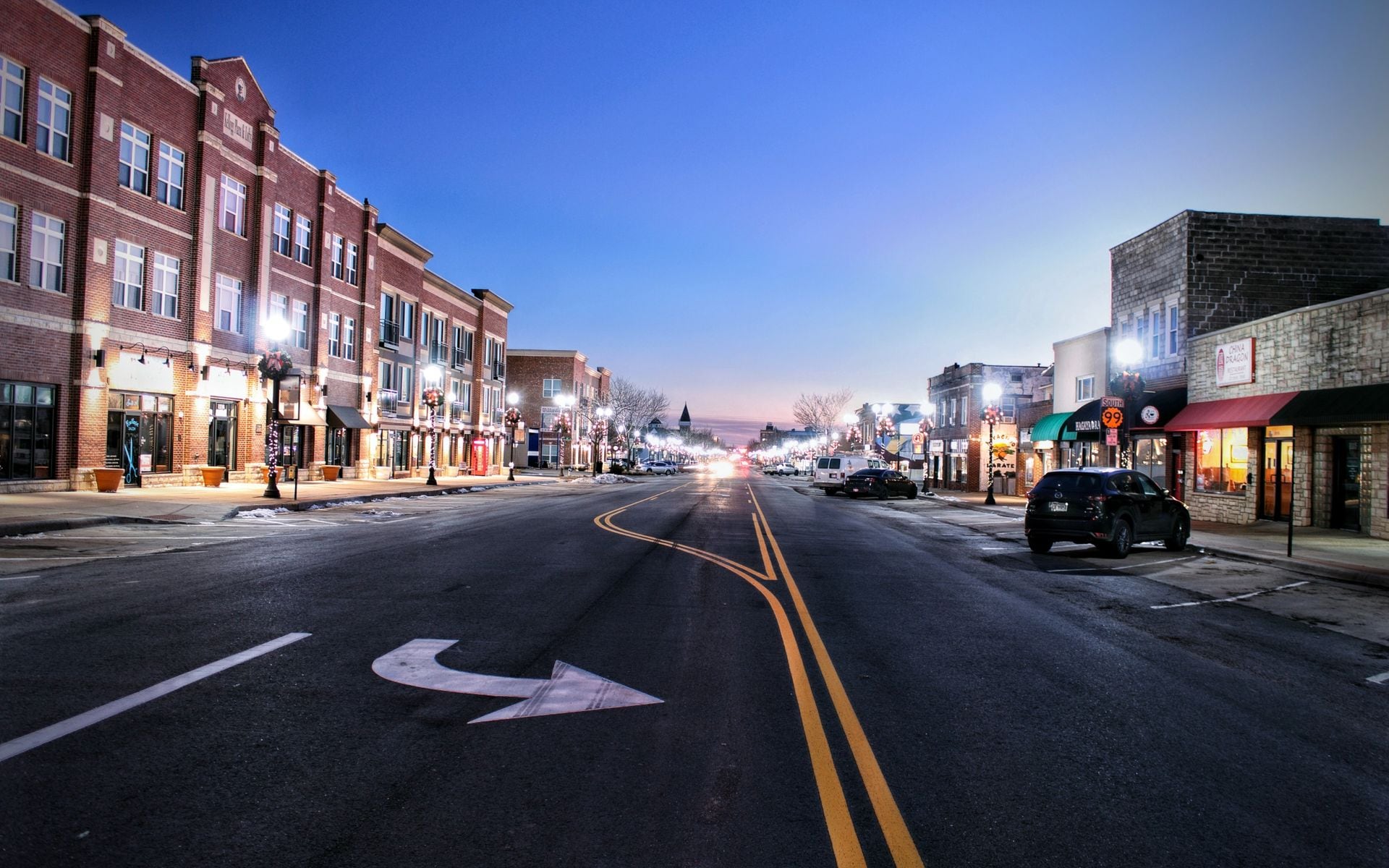
The town itself is compact and walkable, with a Broadway Avenue main street lined with brick storefronts from the coal-mining era, a solid craft-beer scene, and several outfitters for hiking and horseback day trips into the Beartooths. Red Lodge Mountain ski area operates just outside town from roughly December through March, with 70 runs and a vertical drop of 2,400 feet. Lift tickets run around $65 to $85 per day on peak weekends (estimate, recent seasons). If you're routing to Yellowstone through the northeast, this is a far less crowded approach than Gardiner or West Yellowstone and worth building a night around.
Livingston
Livingston straddles the Yellowstone River at the north end of Paradise Valley, about 55 miles east of Bozeman on I-90. It's a legitimate fly-fishing town, with several outfitters and guides working the Yellowstone, which runs fast and clear here and holds brown and rainbow trout through most of the year. Spring runoff usually peaks in May and June; late summer and fall, roughly August through October, are the most productive months for dry-fly fishing. The Yellowstone is one of the longest undammed rivers in the lower 48, which matters to anglers who want uninterrupted float water.
Livingston also has a literary and arts reputation that's earned rather than performed. The town attracted writers and painters starting in the 1970s and still has an independent bookstore, several galleries, and more good restaurants per capita than you'd expect from a town of 7,000. The Depot Center museum occupies a 1902 Northern Pacific railroad building and covers transportation and cultural history well. One practical note: the wind in Livingston is genuinely extreme in spring, sometimes gusting past 60 mph on the benchlands above town. Locals treat it as a fact of life; visitors are sometimes surprised enough to cut plans short.
Bigfork
Bigfork occupies a bay at the northeast corner of Flathead Lake, about 17 miles south of Kalispell and an easy 45 minutes from Glacier's west entrance. It has the feel of a small arts village, with galleries and the Bigfork Summer Playhouse (operating since 1960) set against lakefront views and Swan Range peaks. The Swan River enters Flathead Lake right at the village, and multi-day backcountry routes into the Swan Mountains begin here. For a rundown on the best trails in the region, see Best Hikes in Montana.
What most visitors don't realize is that Wild Horse Island, the largest island in Flathead Lake, is a state park accessible only by private boat or kayak. Bigfork is one of the closest launching points. The island has a small population of wild horses, bighorn sheep, and bald eagles. Renting a kayak from a Bigfork outfitter and paddling out, roughly 2 miles each way from the nearest shore access point, is one of the better half-day adventures in the northwest. The late-July Flathead cherry harvest also runs through the Bigfork area, with roadside stands selling fresh-picked cherries from Flathead Valley orchards. If you've never had a Flathead cherry, that alone is worth timing your trip around.
Ennis
Ennis sits on the Madison River in Madison County, about 75 miles south of Bozeman on US-287. The population hovers around 900, but fly fishing drives the local economy hard enough that the town has multiple shops, several licensed guide outfitters, and lodges built specifically for anglers. The Madison is a blue-ribbon trout stream, running cold and clear out of Hebgen Lake near West Yellowstone and holding large brown and rainbow trout for most of its length. July and August are peak visitor months, but September and October are often better for fishing and far less crowded.
About 20 miles north of Ennis on MT-84, Norris Hot Springs offers a simple outdoor soaking pool fed by a 120-degree source spring. It's an authentic soak rather than a spa resort, and a good reason to build in an extra afternoon. For more options like it, see Best Hot Springs in Montana. Back in town, Ennis has a saloon-style bar that functions as the social center on weekend evenings, a few solid restaurants, and motels plus fishing lodges. Budget $120 to $200 per night during fishing season (estimate). The Madison Valley has a wide-open feel, with the Gravelly and Madison ranges on either side and pronghorn antelope on the sagebrush flats east of town.
Lewistown
Lewistown is the geographic center of Montana, sitting roughly equidistant from all four state borders in the Judith Basin on US-87. It's a legitimate middle-of-nowhere town of about 6,000, and that's part of what makes it interesting. There's no major national park nearby, no ski resort, just a walkable county-seat main street with ranching roots and strong access to the Missouri River Breaks to the north and the Snowy Mountains directly south. The Judith River and Warm Springs Creek in the Snowies both hold good populations of cutthroat and brown trout. Most out-of-state visitors drive past without stopping, which keeps crowds essentially nonexistent.
The Snowy Mountains immediately south rise above 8,000 feet and receive real winter snow while remaining unknown outside the region. The Crystal Lake campground and hiking area, about 30 miles south of town, offers legitimate alpine hiking with zero crowds. Lewistown is also the base for the Charles M. Russell National Wildlife Refuge to the north, one of the largest refuges in the lower 48 at nearly 1.1 million acres. If you want to spend a day or two on the Missouri River Breaks without competing for campsites or boat launches, this is the jumping-off point.
Choteau
Choteau (pronounced SHOW-toe, not show-TOE) is a small prairie town on the Rocky Mountain Front, about 50 miles south of Glacier's east entrance and 65 miles northwest of Great Falls. The Front is where the Northern Rockies rise abruptly from the Great Plains, and the view west from Choteau is one of the most dramatic in Montana, a wall of peaks appearing from flat grassland. This section of the state holds one of the highest densities of grizzly bears outside the national parks. The Bob Marshall Wilderness begins a few miles west of town, accessed via the Teton River Canyon corridor.
Choteau is also the launchpad for Egg Mountain, a paleontological site where Jack Horner's work in the 1970s and 1980s uncovered the first evidence of dinosaur nesting colonies in the Western Hemisphere. The Old Trail Museum in downtown Choteau covers this discovery with actual specimens and casts, and it's the kind of specific, real draw that makes a town worth a stop rather than a glance. The Freezout Lake Wildlife Management Area, about 20 miles north of town, is among the best places in Montana to watch snow geese and tundra swans during their spring migration in March and early April, when numbers can reach 300,000 birds.
Quick Comparison
Choose Whitefish if you want a ski base or Glacier Country headquarters with genuine town amenities and train access. Go to Red Lodge for the Beartooth Highway and a quieter approach to Yellowstone's northeast. Pick Livingston for fly fishing and a town with some actual literary spine. Base in Bigfork for lakefront access, a mellower summer pace near Glacier, and the Wild Horse Island paddle. Head to Ennis for dedicated angling on the Madison with a frontier bar as the social scene. Detour to Lewistown for true off-the-radar Montana without driving six hours to find it. Stop in Choteau for the Rocky Mountain Front, the Bob Marshall trailheads, and wildlife credentials that rival the parks without the crowds.
Frequently asked questions
What is the most popular small town in Montana for tourists?
Whitefish gets the most visitor traffic of any small Montana town, largely because of its position near Glacier National Park and Whitefish Mountain Resort. West Yellowstone also draws large numbers as a park gateway, but it functions almost entirely as a service town rather than a destination in its own right. Livingston and Red Lodge are the towns that come up most often when travelers are looking for somewhere with genuine local character.
Which small towns in Montana are closest to Glacier National Park?
Whitefish is the closest full-service town to Glacier's west side, about 30 minutes from the Apgar entrance. Choteau sits about 50 miles south of the east entrance (St. Mary), and Essex, a tiny community on the southern border of the park, has basic services. East Glacier Park is the small gateway community for the Two Medicine area on the southeastern edge of the park. For a full rundown on what's in the northwest corner of the state, see Glacier Country.
Are Montana's small towns worth visiting in winter?
It depends on the town. Whitefish is busy and fully operational in winter because of Whitefish Mountain Resort. Red Lodge runs through ski season as well. Livingston stays open year-round, and the Yellowstone River often stays fishable through the cold months because the thermal influence from the park keeps it warmer than many Montana rivers. Bigfork, Ennis, and Choteau scale back significantly from November through April, with reduced restaurant and lodging hours. If you're coming in winter, confirm that specific businesses are open before you build your itinerary around them.
Do you need a car to get around Montana's small towns?
Yes, with one exception. Whitefish is reachable by Amtrak's Empire Builder, which runs daily from Seattle and Chicago, and the downtown is walkable once you're there. Every other town on this list requires a rental car or your own vehicle to reach and to get around the surrounding area. Montana is a large state and distances between towns are real: Choteau to Ennis is roughly five hours of driving. Plan accordingly and book a rental car at BZN (Bozeman), MSO (Missoula), or FCA (Kalispell) depending on which part of the state you're targeting.