Why Visit Southeast Montana
The case for this region starts with what it is not. You will not find alpine lakes or crowds queuing for a famous road. What you get instead is wide-open Yellowstone River country, the rimrock ridgeline that tops out above Billings, and a string of places that carry real historical weight. The 1876 Battle of Little Bighorn happened on this land. William Clark carved his name into a sandstone butte here in 1806, and that carving is still legible today. Montana's largest state park, Makoshika, preserves a badlands landscape near Glendive where Triceratops and Tyrannosaurus rex bones have come out of the clay for over a century.
For travelers who have already done Glacier and Yellowstone, or who want a different Montana than the western half offers, southeast Montana is worth building a trip around. It requires a car and an appetite for distance, but the region rewards that investment with places that feel less crowded and more real than the high-traffic corridors to the west. The Montana Travel Guide covers the full state, but this is the corner that tends to surprise people most.
Top Places in Southeast Montana
Billings is Montana's largest city and the practical hub for the entire region. The rimrocks rise directly behind the city and reward a short hike with a view over the Yellowstone River valley. Billings has the region's strongest restaurant and hotel selection, with dining running from Montana's Rib & Chop House for straightforward steaks to Carverss Brazilian Steakhouse for a churrascaria-style all-you-can-eat experience. Billings Logan International (BIL) offers nonstop flights from Denver, Seattle, Salt Lake City, Phoenix, and Dallas/Fort Worth. Most road trips through southeast Montana start or end here.
About 65 miles southeast of Billings on I-90, Little Bighorn Battlefield National Monument sits on the Crow Reservation near the town of Crow Agency. The visitor center and museum are well done, and the self-guided driving tour through the site takes about an hour. Rangers lead interpretive programs in summer (roughly June through August), and Crow tribal members offer perspective that the standard National Park Service narrative sometimes leaves out. Entry runs approximately $20 per vehicle (estimate; check current NPS fees before your visit).
Red Lodge sits about 60 miles south of Billings on US-212, a small historic mining town at the foot of the Beartooth Range. It anchors the north end of the Beartooth Highway, which runs 68 miles southwest to Cooke City and the Northeast Entrance of Yellowstone National Park. The town has a walkable main street, a solid lineup of independent restaurants, and Red Lodge Mountain for skiing in winter.
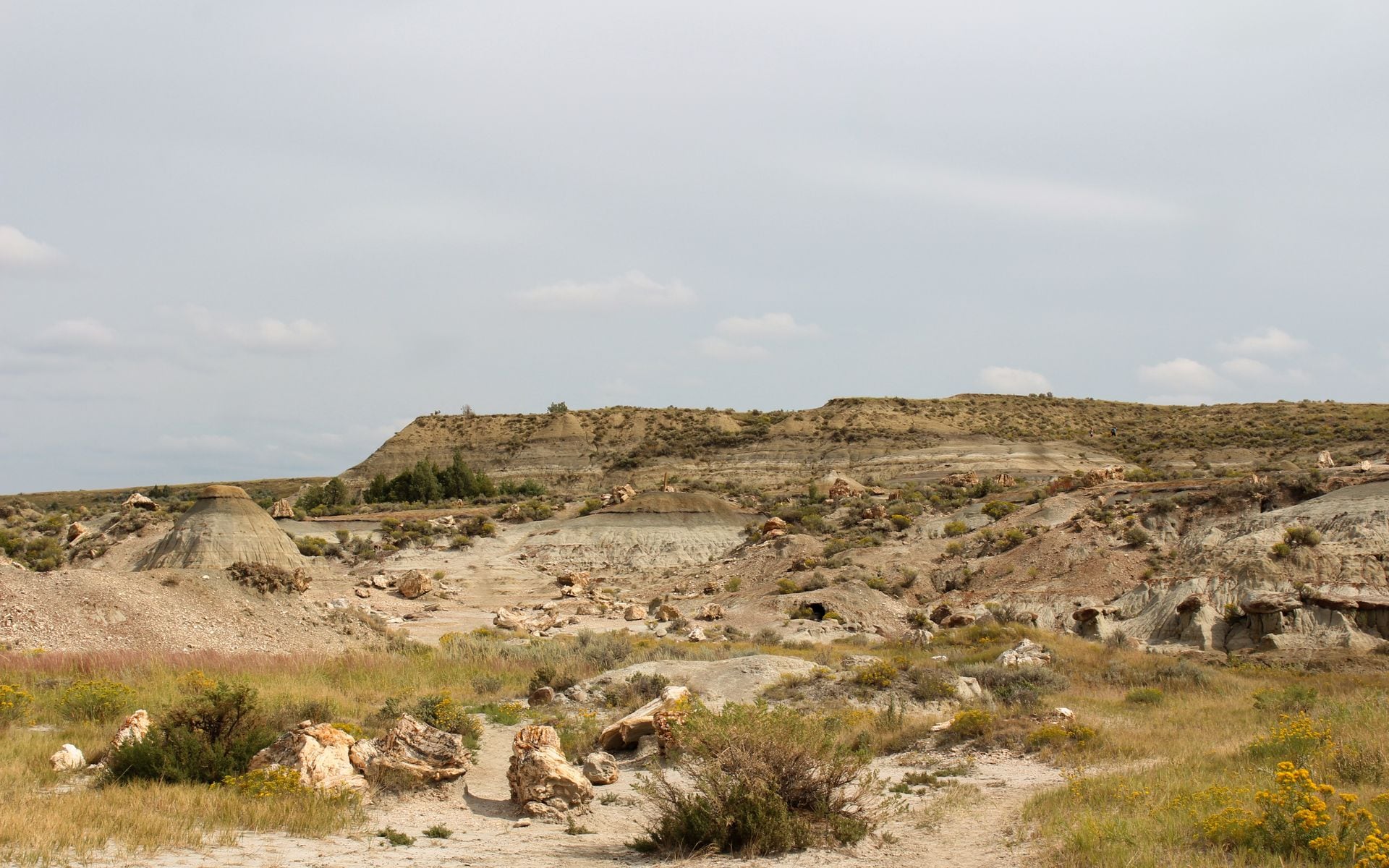
Makoshika State Park, just outside Glendive on the eastern end of I-94 (about 220 miles from Billings, or roughly three hours), is Montana's largest state park and one of the most undervisited. The badlands formations here resemble a smaller, quieter Badlands of South Dakota, and the park's fossil record includes Triceratops and T. rex finds. A campground on-site charges approximately $18 to $28 per night for a standard site (estimate; verify current rates with Montana State Parks). Glendive is a plain, no-frills stop, but the park alone is worth the drive.
Top Things to Do
The Beartooth Highway (US-212) is the region's signature drive and one of the most dramatic roads in the United States. The road climbs from Red Lodge to a high point near 11,000 feet before dropping toward Cooke City. The switchbacks above Red Lodge in the first 10 miles are the steepest and most visual part, and the plateau at the top opens onto a landscape of alpine lakes and open tundra that looks nothing like the valley floor you left behind. Plan two to three hours one-way with time for stops. The highway typically opens in late May and closes with the first heavy snowfall, usually in October.
The Bighorn River below Yellowtail Dam near Fort Smith (about 90 miles south of Billings via US-313 south from Hardin) is one of the top tailwater trout fisheries in the country. The dam keeps water temperatures consistent enough to hold large brown and rainbow trout year-round, and most guides consider July through October and again February through April the best windows. A half-day guided float runs roughly $300 to $400 per person (estimate). Fort Smith is a small outpost town and nearly all visitors are there to fish.
Pompeys Pillar National Monument is a 30-minute drive east of Billings on I-94, about 28 miles out. The sandstone butte holds William Clark's July 25, 1806 inscription, the only physical evidence of the Lewis and Clark Expedition still in place on the original landscape. The hike to the carving takes about 20 minutes round-trip. Entry is approximately $10 per vehicle (estimate).
If you are in the region in mid-May, the Miles City Bucking Horse Sale is worth planning around. This four-day rodeo and Western culture event in Miles City (about 145 miles east of Billings on I-94) draws buyers from across the country to watch working bucking horses get sorted and auctioned. It is one of the oldest and most genuine Western events in the state, and the crowds it draws are local ranchers, not tourists.
Where to Stay in Southeast Montana
Billings has the widest selection in the region, from Boothill Inn & Suites near BIL airport to the Northern Hotel, an independent historic property on Broadway in downtown. Budget rooms run approximately $80 to $120 per night (estimate); mid-range options with breakfast tend to land in the $130 to $180 range. For most southeast Montana itineraries, Billings makes sense as a base.
Red Lodge offers small independent lodges, motels, and vacation rentals, with summer nightly rates typically between $110 and $200 (estimate). For stays close to Little Bighorn Battlefield, the town of Hardin (about 15 miles north of Crow Agency on I-90) has limited but functional motel options. For a full picture of lodging choices across the state, the Where to Stay in Montana page breaks down options by region.
Some of the more interesting stops in southeast Montana are smaller communities that reward a slow pace. See the Best Small Towns in Montana list for picks that go beyond the obvious.
Getting There and Around
Billings Logan International (BIL) is the main gateway for this region. Nonstop service runs from Denver (about 1 hour 45 minutes), Seattle, Salt Lake City, Phoenix, and Dallas/Fort Worth. Rental car counters are at the terminal, and you will need one. There is no meaningful public transit connecting destinations in southeast Montana.
I-90 and I-94 are the two main driving corridors. I-90 heads southeast from Billings through Hardin, Crow Agency, and Little Bighorn before crossing into Wyoming. I-94 runs northeast from Billings through Miles City, Glendive, and on toward the North Dakota line. The Beartooth Highway (US-212) heads south from Red Lodge. Most of the region's key sites sit within two to three hours of Billings by car, with Makoshika State Park in Glendive being the farthest reach at about 220 miles.
Best Time to Visit
Summer (June through August) is the main travel window. Days on the plains run warm to hot, with Billings regularly hitting the upper 80s to mid-90s Fahrenheit in July. Afternoon thunderstorms are common but usually short. The Beartooth Highway is at its best late June through mid-September, with high-country wildflowers peaking around early July. Ranger programs at Little Bighorn Battlefield run June through August.
May is worth considering if the Miles City Bucking Horse Sale or early-season fishing on the Bighorn River fits your plans. Fall (September through October) brings cooler temperatures, no summer crowds, and elk hunting season in the surrounding country. The Beartooth closes with early snowfall, typically in October. Winter is quiet: Billings and most battlefields remain accessible, but the scenic drives and outdoor activities shrink considerably.
Frequently asked questions
Is southeast Montana worth a detour if my main destination is Glacier or Yellowstone?
For Yellowstone-focused trips, yes. Red Lodge and Cooke City sit at either end of the Beartooth Highway, which connects directly to Yellowstone's Northeast Entrance. You can drive the Beartooth into or out of the park and add Little Bighorn Battlefield as a half-day stop with a modest eastward detour off I-90. For Glacier-focused trips, the distances make southeast Montana a separate itinerary rather than a quick side trip from the northwest corner of the state.
How long does it take to visit Little Bighorn Battlefield?
Budget two to three hours for a proper visit. The visitor center and museum take about 45 to 60 minutes. The self-guided driving tour through Last Stand Hill and the Reno-Benteen Battlefield area adds another hour. Ranger programs run June through August and are worth timing your arrival around if you can.
What is the Bighorn River like for fly fishing?
The Bighorn below Yellowtail Dam is a year-round tailwater fishery, which means the cold, consistent water from the dam bottom holds large brown and rainbow trout in every season. Most guides rate July through October and February through April as the strongest windows. The 13-mile stretch from the dam downstream to Bighorn Acres Access is the most productive. Outfitters based in Fort Smith book up fast in peak season, so reserve a guided float a few months ahead.
Do I need to book ahead for Makoshika State Park?
Makoshika does not fill the way Glacier or Yellowstone campgrounds do, and walk-in sites are usually available. Calling ahead in July and August is still reasonable. Primitive and standard campsites run approximately $18 to $28 per night (estimate). Confirm current rates and availability with Montana State Parks before your trip.