What to Expect
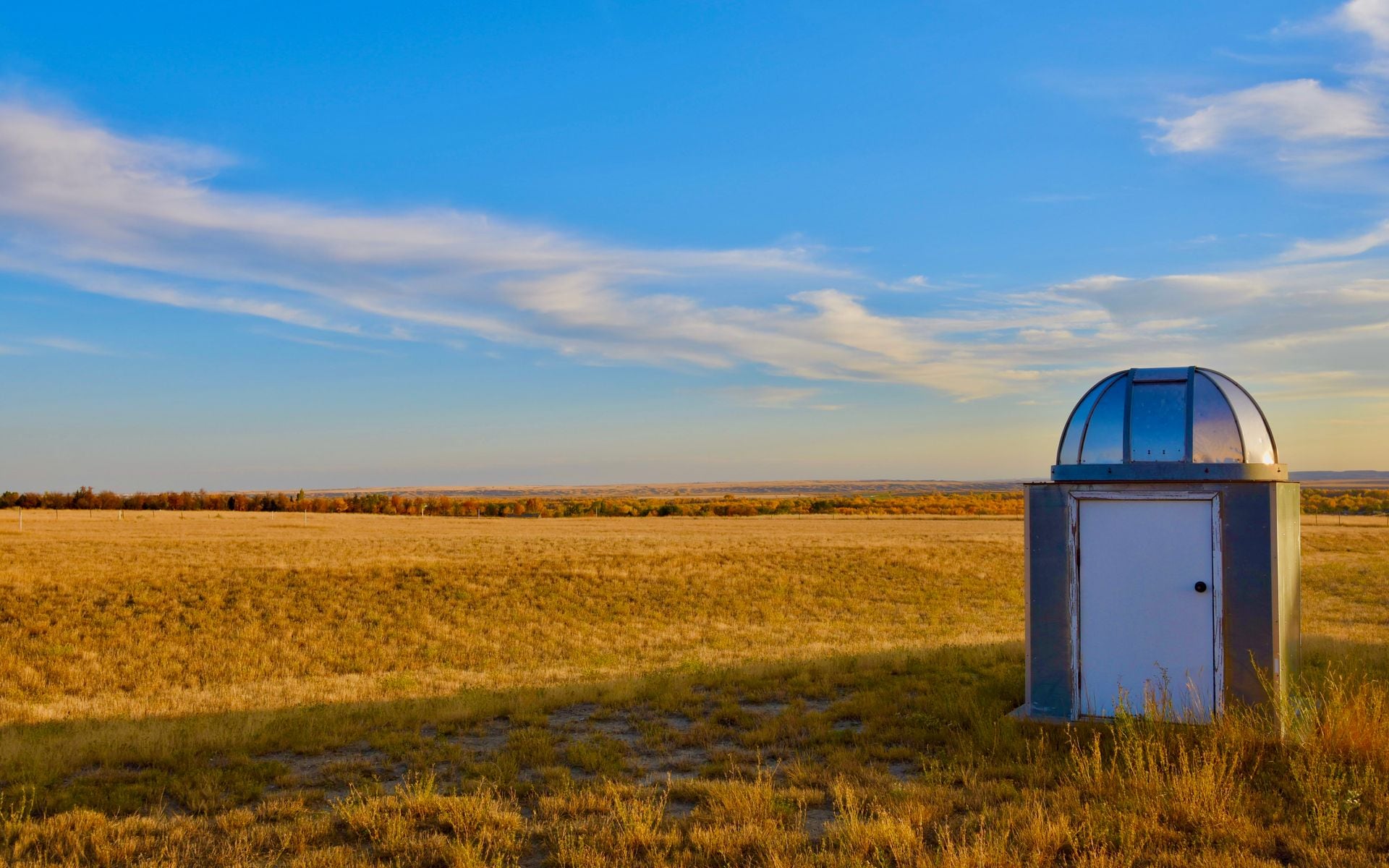
The battlefield covers roughly 760 acres of rolling shortgrass prairie in Southeast Montana, on the Crow Reservation about 60 miles southeast of Billings via I-90. The National Park Service manages the site, which includes a visitor center and museum, Last Stand Hill (where white marble markers pinpoint where individual soldiers fell), the Indian Memorial that opened in 2003 after years of advocacy by tribal members, and a 4.5-mile auto tour road connecting the key points of the battle.
This is a place that rewards slowing down. The open grassland looks close to what it did on June 25 and 26, 1876, when Lt. Col. George Armstrong Custer led five companies of the 7th Cavalry Regiment into a battle against an encampment of Lakota, Northern Cheyenne, and Arapaho warriors led by figures including Sitting Bull, Crazy Horse, and Gall. Custer and approximately 210 soldiers were killed. Standing on Last Stand Hill and looking out across the same terrain makes the scale of the battle register in a way that reading the history alone cannot. The site is managed as a war cemetery, because that is what it is.
What to Do There
Start at the visitor center, which opens daily and holds a strong museum covering the battle from both the U.S. Army and the Native perspectives. The exhibits include weapons, personal effects, and oral histories from tribal members whose ancestors fought here. Rangers lead interpretive talks throughout the day during summer, typically at Last Stand Hill and at the Indian Memorial, and they're worth working into your schedule.
After the museum, drive the 4.5-mile auto tour road south to Reno-Benteen Battlefield, where the rest of the 7th Cavalry regiment dug in and held their position for nearly two days while the fighting raged at Custer's position. The Deep Ravine Trail (about 1.3 miles roundtrip from the visitor center) descends into the ravine where some of Custer's men fled toward the Little Bighorn River and were overtaken. It's a quiet walk that puts the geography of the last hour of the battle into clear focus.
Licensed Crow Nation guides operate tours at the site and provide perspective that the NPS exhibits can complement but not replace. These guides are descendants of the Crow scouts who rode with Custer, which adds a particular layer of complexity and honesty to the storytelling. If you have three hours or more, booking a guided tour is the better way to spend that time compared to driving the auto road twice on your own.
Getting There and Parking
From Billings, take I-90 east for approximately 60 miles to Exit 510 at Crow Agency, then follow US-212 south for about one mile. The battlefield entrance is well signed. Parking at the visitor center is free. The entrance fee runs roughly $25 per vehicle or $15 per person arriving on foot or by bicycle (estimate based on current National Monument fee structures; confirm the current rate at the NPS website or by calling 406-638-3224 before your visit).
BIL, Billings Logan International Airport, is the closest commercial airport, about 65 miles from the battlefield. Car rental is available at BIL, and a rental car is the only practical way to visit from Billings. No gas, food, or lodging sits at the battlefield. The small town of Hardin, about 15 miles northwest of Crow Agency on I-90, has gas stations, a handful of fast-food options, and a couple of budget motels if you want to overnight close to the site.
Best Time to Go
Summer, from mid-June through August, brings the longest visitor center hours, typically 8 a.m. to 6 p.m. with some extensions to 8 p.m. at peak season, plus the full slate of ranger programs and interpretive talks. June 25 is the battle's anniversary, and the NPS hosts commemoration events that year after year draw Lakota, Cheyenne, and Crow participants. The atmosphere on that date is noticeably different from a standard tourist day; if you can align your trip, it is worth doing. Plan for bigger crowds and limited parking near the visitor center.
Spring (April and May) and fall (September and October) are quieter, with shorter operating hours and fewer ranger programs, but the site is open and the weather is often ideal for walking. Summer temperatures on the open grassland run from the low 80s into the 90s Fahrenheit in July and August; afternoon thunderstorms build fast on the plains, so start your visit in the morning. Winter hours are limited and some programs close; call before planning a January or February visit.
Good to Know
The battlefield sits within the Crow Reservation, and alcohol is prohibited throughout the reservation. Do not remove rocks, soil, markers, or any objects from the site. Photography is allowed throughout the battlefield, but treat it with the same consideration you'd give a military cemetery.
One detail that catches visitors off guard: the Crow Fair, one of the largest Native American powwows in the country, takes place every August at Crow Agency, less than a mile from the battlefield entrance. The fairgrounds fill with hundreds of painted tipis, and the drumming and dancing run through the week. If your trip aligns with Crow Fair (it typically falls in mid- to late-August), the combination of the battlefield in the morning and the fair in the afternoon is one of the more unusual and rewarding days you can spend in Southeast Montana.
The battlefield works well as an anchor for a longer drive through the region. Pompeys Pillar National Monument, where William Clark carved his signature in 1806, sits about 30 miles east of Billings along I-94. To the southwest, the Beartooth Highway climbs from Red Lodge toward the Wyoming border and ranks among the most dramatic mountain roads in the country. You can also pair a battlefield stop with a visit to some of Montana's best small towns, including Red Lodge and Livingston, both within a couple of hours' drive.
Frequently asked questions
How long does it take to visit Little Bighorn Battlefield?
Plan at least two hours to cover the visitor center museum, Last Stand Hill, and the auto tour road to Reno-Benteen. A half-day (three to four hours) gives you time for ranger programs, the Deep Ravine Trail, and the Indian Memorial without feeling rushed. If you book a guided tour with a licensed Crow guide, add another one to two hours.
What is the entrance fee for Little Bighorn Battlefield?
As of the most recent rate updates, the entrance fee runs approximately $25 per vehicle (estimate). Pedestrians and cyclists pay around $15 per person. America the Beautiful annual passes (the National Parks pass, sold for around $80) cover the entrance fee and are worth buying if you're visiting multiple parks or monuments on your Montana trip. Confirm current fees at nps.gov/libi or by calling 406-638-3224.
Is Little Bighorn Battlefield worth visiting if I'm based in Billings?
Yes, and it's one of the better day trips from Billings. The drive southeast on I-90 takes about an hour, and the site is well maintained and genuinely moving. Pair it with Pompeys Pillar on the return for a full day of Montana history. The battlefield is not a theme park, and some visitors expecting more visual drama (re-enactments, preserved structures) are surprised by how simple and open the landscape is. That plainness is the point.
Can you walk the battlefield at Little Bighorn?
Yes. The Deep Ravine Trail (about 1.3 miles roundtrip) is the main walking route and is open to visitors. Last Stand Hill is also accessible on foot from the visitor center parking area. The main auto tour road is paved and can be driven, but you can also walk sections of it. The terrain is open and relatively flat, with little shade, so bring water and sun protection in summer.
Is Little Bighorn Battlefield on the Crow Reservation?
Yes. The monument sits within the Crow Reservation, and the National Park Service manages the monument lands under a special designation. Alcohol is prohibited throughout the reservation, including at the battlefield and surrounding roads. The Crow Nation and the NPS work together on interpretation and programming at the site, which is why licensed Crow guides are available for tours.