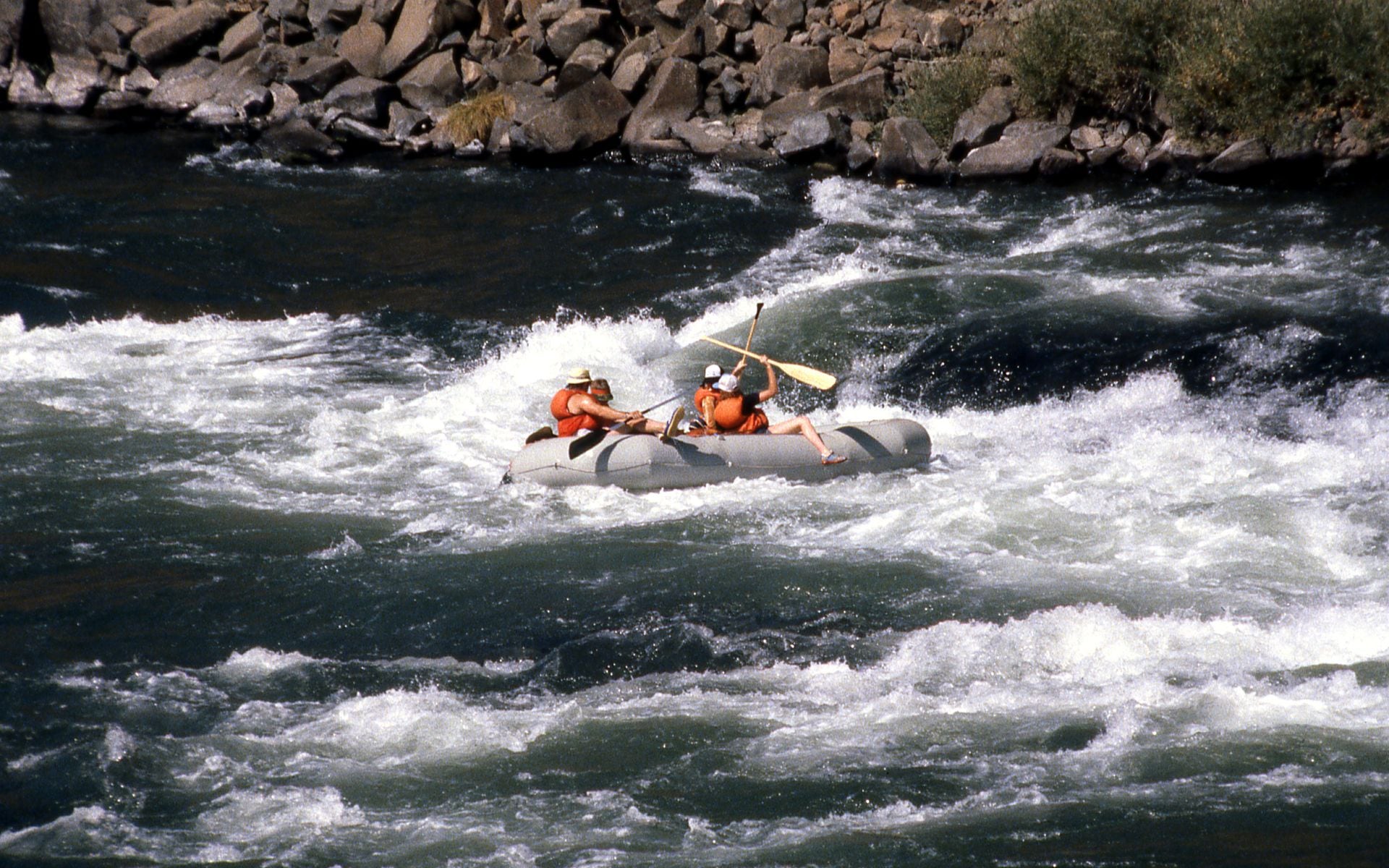
Overview
Montana has commercial whitewater on rivers spread across several hundred miles of mountain terrain, and the three most popular corridors run through distinctly different country. The Gallatin River cuts a tight limestone canyon between Big Sky and Bozeman, building toward the section local guides have called the Mad Mile for decades. The Middle Fork of the Flathead runs along the south boundary of Glacier National Park through genuine wilderness, offering some of the most remote rafting in the lower 48. And the Yellowstone River through Paradise Valley south of Livingston gives you open-valley scenery with the Absaroka Range on both sides and a gentler pace that works well for families and first-timers. On the Yellowstone near Gardiner, Wild West Rafting and Flying Pig Adventures run Class II-III half-day and full-day trips suited to first-timers and families with kids. Most operators run guided half-day and full-day trips from late May through mid-September. You do not need prior experience for any of the commercially guided runs, though class IV rivers ask for basic swimming comfort and the ability to follow paddle commands under pressure.
If this is your first time in Montana, planning your raft trip around a broader itinerary makes sense. Rafting concentrates in the mountain corridors, and those same corridors are where you'll find most of the other big outdoor experiences the state offers.
What to Expect
Class ratings tell you how serious the water gets. On the Gallatin, the canyon section near the Spanish Peaks drainage reaches class III and IV, with technical drops, hydraulics, and the occasional swim if the raft catches an eddy wrong. The Middle Fork of the Flathead runs class III-IV as well, fed by tributary flows from the Great Bear Wilderness and gaining speed as it drops toward its confluence with the North Fork near West Glacier. If you're bringing kids under 10 or prefer to keep paddles in the water rather than brace for drops, the North Fork of the Flathead (class II-III) and the mellower stretches of the Yellowstone near Livingston are the better fits. Slower current, fewer consequences for a missed stroke, and still plenty of scenery.
All commercial trips supply wetsuits or drysuits depending on season, along with paddle jackets, helmets, and personal flotation devices. In June, water temperatures on most Montana rivers run between 45 and 52 degrees Fahrenheit. A full wetsuit is not optional on any reputable trip during that window. By August, water temperatures come up to 58 to 65 degrees on rivers like the Gallatin and Yellowstone, and some operators switch to splash jackets and board shorts for float sections.
One thing that surprises first-timers on the Middle Fork: the river runs through a stretch of roadless wilderness where there are no roads, no buildings, and no signs of development for several miles. Grizzly bear sightings from the raft are not uncommon along that corridor. Your guide will keep things calm and orderly if one appears on the bank. If you want to extend your wildlife focus beyond the river, the Wildlife Watching page covers the best locations and seasons statewide.
Best Season
Late May through mid-July is the strongest window for high-water rafting in Montana, driven by snowmelt timing in the northern Rockies. June typically has the highest flows on most rivers, which means bigger waves, faster current, and more dynamic class ratings across the board. On the Gallatin, flows above 900 cubic feet per second at the canyon gauge create the most technical conditions; by mid-August those flows often drop under 600 cfs and the same run feels like a different river. The Middle Fork of the Flathead runs high from late May through July, with some of the deeper wilderness sections opening only after the snowpack along the Great Bear Wilderness finishes receding.
By early August, most rivers are still fully runnable but noticeably gentler, which suits families and first-timers better. The late-season window from August through Labor Day weekend has the highest water temperatures, the lowest crowds at launch sites, and a more relaxed pace overall. September trips are possible on some rivers but require a full wetsuit regardless of air temperature and depend heavily on early-fall precipitation keeping flows up. Outfitters will tell you honestly if conditions are too low to run.
After a long day on cold water, Montana's hot springs circuit becomes relevant quickly. The Hot Springs page covers the best soaking spots across the state, several of them within an hour or two of major rafting rivers.
Typical Costs (Estimated Price Ranges)
Half-day guided trips run an estimated $55 to $90 per adult depending on the river, operator, and season. Full-day guided trips run approximately $100 to $160 per adult. Multi-day wilderness float trips on the Middle Fork of the Flathead are a different category entirely, with fully outfitted expeditions running an estimated $350 to $600 per person per day. That price covers all meals, camping, gear, and guide services for trips ranging from two to five days through sections of river with no road access.
Rental gear, including wetsuit, paddle jacket, helmet, and PFD, is included in the base price for almost every commercial day trip. Some operators add a river access fee of $5 to $15 to cover permit costs on specific sections; ask about this when you book so it doesn't catch you at the put-in. Tipping your guide 15 to 20 percent is standard practice and expected in the outfitter industry. Guides run physically demanding routes in cold water and their income reflects tips.
The town bases near the main rafting rivers have their own character and price range for lodging. The Best Small Towns in Montana page includes Livingston, Whitefish, and other river towns where you can base yourself close to put-in points without paying resort prices.
How to Book
Book with a licensed and insured outfitter. Montana commercial rafting operators are licensed through the state and must hold access permits for the specific river sections they run. Most of the established operators have been running the same rivers for 15 to 30 years and put their guides through swiftwater rescue certification annually. On the Yellowstone near Gardiner, Yellowstone Raft Company handles everything from scenic floats to full-day Class IV trips. For the Middle Fork and North Fork corridors near West Glacier, Glacier Guides and Montana Raft is the primary outfitter on those sections. The Tour Operators and Guides directory lists vetted operators by region.
Book early for June and July dates on the Gallatin and Middle Fork. Popular outfitters sell out peak-season weekend dates two to six weeks in advance. Weekday trips have more availability and sometimes lower prices. If your schedule is flexible, mid-week late June is close to ideal: high flows, long daylight, and launch sites that aren't standing-room-only at 8 a.m.
If you're building a multi-day trip around rafting and other activities, putting your raft day early in the sequence is worth planning for. Paddling uses your core and shoulders in ways that hiking doesn't, and a day of recovery before a long trail makes for a better experience overall. The 5 Days in Montana itinerary shows one way to sequence the major experiences across the state, including a rafting day on the Gallatin corridor.
Frequently asked questions
Do I need prior rafting experience to raft in Montana?
No. For class II-III runs on rivers like the North Fork of the Flathead and calm sections of the Yellowstone near Livingston, zero experience is required. For class III-IV runs on the Gallatin through Gallatin Canyon or the Middle Fork of the Flathead, outfitters recommend that participants be comfortable in water, reasonably fit, and able to follow paddle commands quickly. Your guide will walk through every command before you put in.
What should I wear on a Montana raft trip?
Your outfitter provides the wetsuit or drysuit, paddle jacket, helmet, and PFD. Wear wool or synthetic base layers underneath; avoid cotton, which loses insulating value when wet. Bring secure footwear that can get soaked (water shoes or old sneakers, not flip-flops), sunscreen, and sunglasses with a retention strap. Leave your phone in the car or in a quality dry bag. A spare set of dry clothes waiting in the vehicle is not optional in June.
Is the Gallatin River good for families with young kids?
The main canyon section of the Gallatin, including the Mad Mile, is rated class III-IV and has minimum age requirements that most operators set between 12 and 16, depending on water levels. For families with younger children, operators offer trips on mellow upper Gallatin stretches, the North Fork of the Flathead, or the Yellowstone River near Livingston. Age and weight minimums vary by operator and river section, so ask specifically when you book.
When do Montana rafting outfitters open and close for the season?
Most commercial operators open around Memorial Day weekend in late May and run through mid-September. Some operators with permits on specific rivers or lower-gradient sections extend into early October, but flows are low by then and water temperatures require full drysuits. The peak window for high water is late May through the Fourth of July. August through Labor Day offers lower flows, warmer water, and a more relaxed experience that works well for first-timers.
How far in advance should I book a raft trip?
For June and July on the Gallatin or Middle Fork of the Flathead, book two to four weeks out for weekdays and four to six weeks out for weekends. August trips have more last-minute availability. Multi-day wilderness float trips on the Middle Fork book out months in advance because the permit system limits the number of groups on the river at any time.