The Short Answer
The main travel window is June through early September. That's when Going-to-the-Sun Road in Glacier is fully open, temperatures in the valleys are warm (70s and 80s most days), and every service from campgrounds to guided outfitters is running. Fall (September and October) is quieter, cooler, and often better for wildlife and scenery. Winter (December through March) is real ski season at Big Sky and Whitefish, but mountain passes close and driving gets serious. Spring is mud season, with high-running rivers and most park services still shut down. Knowing which part of the state you're visiting also matters: Billings and the eastern plains run 10 to 15 degrees warmer than the northwest corner year-round.
For the complete picture of timing your trip around specific activities, park reservations, and crowd levels, see the Best Time to Visit Montana guide. For an overview of all of Big Sky Country, the Montana Travel Guide covers regions, places, and activities across the state.
January, February, and March: Ski Season
Low-elevation towns average 20 to 35 degrees F in January. Overnight lows drop below zero during most winters in Bozeman and the Gallatin Valley, and cold snaps push to -15 or -20 in the valleys during severe stretches. At altitude, ski resort temperatures are colder still: Big Sky Resort's Lone Peak sits at 11,166 feet, and windchill there can be dangerous during January storms. Missoula (elevation 3,200 feet) tends to sit in temperature inversions through January and February where the valley floor is colder than the surrounding ridgelines, sometimes foggy and stuck in the 20s for days at a time.
The Going-to-the-Sun Road in Glacier closes to vehicles in October and doesn't reopen until late June or early July. US-2, which runs along Glacier's southern edge through Essex and the town of West Glacier, stays open year-round but requires snow tires and caution after storms. If you're driving the Gallatin Canyon on US-191 between Bozeman and Big Sky (about 45 minutes in clear conditions), 4WD or AWD with proper snow tires is not optional in January and February. Big Sky Resort typically opens in late November and runs through April. Whitefish Mountain Resort, located about 25 miles northwest of Kalispell above the town of Whitefish, runs mid-December through mid-April. For a ski trip, flying into BZN (Bozeman Yellowstone International) is the standard choice for Big Sky; flying into FCA (Glacier Park International in Kalispell) gets you closest to Whitefish, with MSO (Missoula) about two hours out as an alternative.
April and May: The Shoulder Season Most People Skip
April is genuine mud season. Valley temperatures swing from the upper 40s to the low 60s during the day and drop back below freezing most nights. Snow falls through May at higher elevations, and mountain passes remain hazardous into early May. Glacier's interior roads are gated closed; most lodges, campgrounds, and visitor services inside the park don't open until late May or June. The Going-to-the-Sun Road begins opening in stages from the east (St. Mary) and west (Apgar) sides as crews plow back accumulated snowpack, but reaching the Logan Pass summit at 6,646 feet on a drive-through doesn't happen until late June in most years.
Rivers run high and fast through May as snowpack melts. The Madison, Gallatin, and Clark Fork are swollen and turbid most of the month, which pushes productive fly fishing out until conditions settle, typically mid-May to early June in the lower river stretches. The upside to spring travel: almost no crowds and substantially lower room rates. April hotel rates in Whitefish and Missoula can run 30 to 40 percent below peak July pricing. If you're willing to build in flexibility around what's open and accessible, spring can make sense for budget travelers who aren't fixated on specific park roads.
June, July, and August: Peak Season
June is the transition month where Montana starts to deliver on what you came for. Lower-elevation towns warm into the 60s and 70s by mid-June. The Going-to-the-Sun Road usually opens fully (east to west, including the Logan Pass crossing) in late June or early July, though the exact date shifts by one to two weeks depending on that winter's snowpack. Don't rely on average open dates. Check the NPS website or the Glacier park road status page the week of your trip. Timed vehicle reservations are required for the Sun Road corridor and several other areas in peak summer. These sell out; book as early as the system allows, typically in late spring.
July and August bring the warmest conditions Montana offers. Daytime highs average 75 to 85 degrees F in Bozeman, Missoula, and around Flathead Lake in Polson. Billings and the eastern plains push into the upper 80s and hit the low 90s during heat waves. Mountain camping drops to the 40s and low 50s at night even in July, so pack layers regardless of the daytime forecast. Everything is open: campgrounds, lodges, outfitters, scenic drives. Demand for lodging and campsites peaks from late June through mid-August. Sites at Many Glacier and Apgar in Glacier, and campsites throughout the Gallatin National Forest, book weeks or months ahead. If you're planning at the last minute in July, expect either premium room rates or a base far outside your main destination.
Late August carries real wildfire smoke risk. In active fire years, smoke can blanket the Missoula valley, the Flathead Valley, and much of Glacier Country for days at a stretch. Air quality indexes can reach unhealthy levels. Most summers see some smoke; a few see serious multi-week impacts. If air quality is a concern for you or anyone in your group, monitoring airnow.gov before and during your trip is worth doing. September is often the better choice over late August for western Montana.
September and October: The Best Window You're Probably Not Considering
September may be the single best month to visit Montana for most travelers. Wildfire smoke typically clears by mid-September. Temperatures settle into the 50s and 60s during the day across most of the state, with clear air and long afternoon light. Crowds drop sharply after Labor Day, and room rates follow: expect 20 to 35 percent reductions versus peak July pricing. The elk rut is underway from mid-September through mid-October. You can hear bulls bugling in the Gallatin Valley before sunrise, in the Paradise Valley north of Gardiner (the north entrance to Yellowstone), and in the Lamar Valley along the Northeast Entrance road. Going-to-the-Sun Road typically stays open through mid-October before early snowstorms begin closing it for the season.
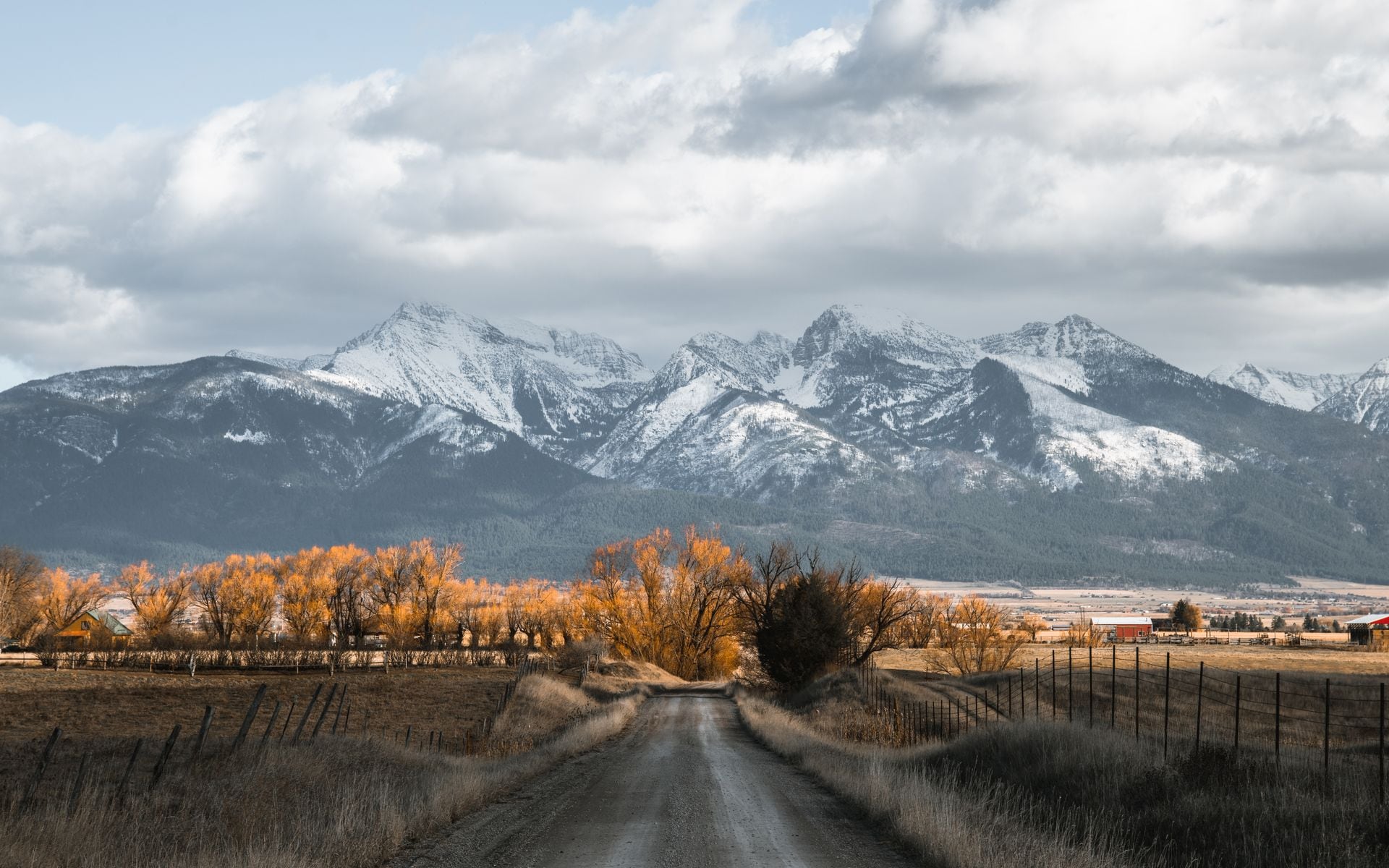
Western larch, the only deciduous conifer native to Montana, turns a deep amber-gold from late September into mid-October. It grows thick in the Whitefish Range above the town of Whitefish, along the edges of the Bob Marshall Wilderness, through the Mission Mountains, and in the hills around Seeley Lake. This color window is narrower than New England fall foliage, usually two to three weeks, and not widely advertised. If you're in northwest Montana in early October and the larch is peaking, it's one of the more specific things Montana does that nowhere else quite replicates. October in the Yellowstone Country region is drier and milder than the northwest, with Bozeman still seeing 50-degree afternoons well into the month.
November and December: Off-Season and the Start of Ski
November is the true off-season. Services wind down across most of the state. Glacier's interior roads are gated, most park lodges closed since October, and smaller towns thin out considerably. Weather is unpredictable: some years bring warm, open days into November; others bring early snow and closed passes. Bozeman, Missoula, and Billings stay active year-round, but if you're not hunting or skiing, there's limited reason to target November unless you're specifically chasing solitude and low prices.
December marks the start of legitimate ski season. Big Sky Resort and Whitefish Mountain Resort ramp up through December and hit full operations mid-month. Bozeman's BZN airport handles winter operations well but storm delays are a reality. If you're flying into FCA or MSO for a ski trip, build buffer time on both ends and check road conditions before heading into the mountains. Chain-control requirements on US-2, the Gallatin Canyon, or Glacier's outer roads after a significant snowstorm are not unusual. For a full breakdown of getting to Montana and moving around the state in any season, see Getting Around Montana and the Montana Airports and Getting There guide.
Practical Tips for Any Month
Montana's day-to-night temperature swings can run 30 to 40 degrees even in July. Layering is not optional. Afternoon thunderstorms build fast above treeline in the mountains from June through August, typically peaking between 2 and 4 pm. If you're hiking above treeline, start early and plan to be below exposed ridges before early afternoon. A rain layer in your pack matters even on mornings with clear blue sky.
Road conditions change fast, especially on mountain routes. Montana's 511 system (dial 511 or visit 511.mt.gov) gives real-time pass status and chain-control information for every major route in the state. This matters most for US-2 through Glacier's southern corridor, US-191 through the Gallatin Canyon, US-89 through the Paradise Valley, and the Beartooth Highway (US-212) between Red Lodge and Cooke City, which closes entirely from October to late May. Checking 511 the night before a long drive takes two minutes and has saved many trips from serious problems.
Frequently asked questions
When does Going-to-the-Sun Road open in Glacier National Park?
The full east-to-west crossing of Going-to-the-Sun Road, including the Logan Pass summit at 6,646 feet, typically opens in late June or early July. The exact date depends on each winter's snowpack and how quickly crews can plow the road clear. In light-snow years it can open as early as June 20; in heavy years it pushes into early July. The west (Apgar) and east (St. Mary) entrances open in stages before the full road connects, so you can drive partway in early June without crossing the summit. Always check the NPS website or the Glacier park road status page the week of your arrival rather than counting on average open dates.
Is Montana smoky in August?
It can be. Late August is peak wildfire smoke season across the state, most often affecting western Montana including the Missoula valley, the Flathead Valley, and Glacier Country. Some years bring heavy smoke for days at a time; others are relatively clear. September typically clears up as fire season winds down, which is one of the stronger arguments for visiting in September rather than late August. Monitor airnow.gov if air quality matters to you, especially if you're traveling with young kids or anyone with respiratory conditions.
What is the best month to visit Montana to avoid crowds?
September is the best combination of good weather, low crowds, and reasonable prices. Visitor numbers drop sharply after Labor Day, room rates fall 20 to 35 percent versus peak July, and conditions are still comfortable for hiking and driving. The elk rut is underway, larch trees go gold in late September, and wildfire smoke is mostly gone. October is even quieter but some park services start closing, so check access to specific areas. For a full comparison of seasonal trade-offs, see the Best Time to Visit Montana guide.
How cold does Montana get in winter?
Cold enough to take seriously. Valley towns like Bozeman and Missoula average overnight lows in the single digits to low 20s F in January. Cold snaps push below zero regularly, sometimes reaching -15 to -20 in the valleys during sustained cold stretches. Mountain areas and ski resorts run colder still. Big Sky Resort's Lone Peak at 11,166 feet sees windchill well below -20 during January storms. Pack real cold-weather gear if you're visiting between November and March, not just a heavy jacket.