Overview
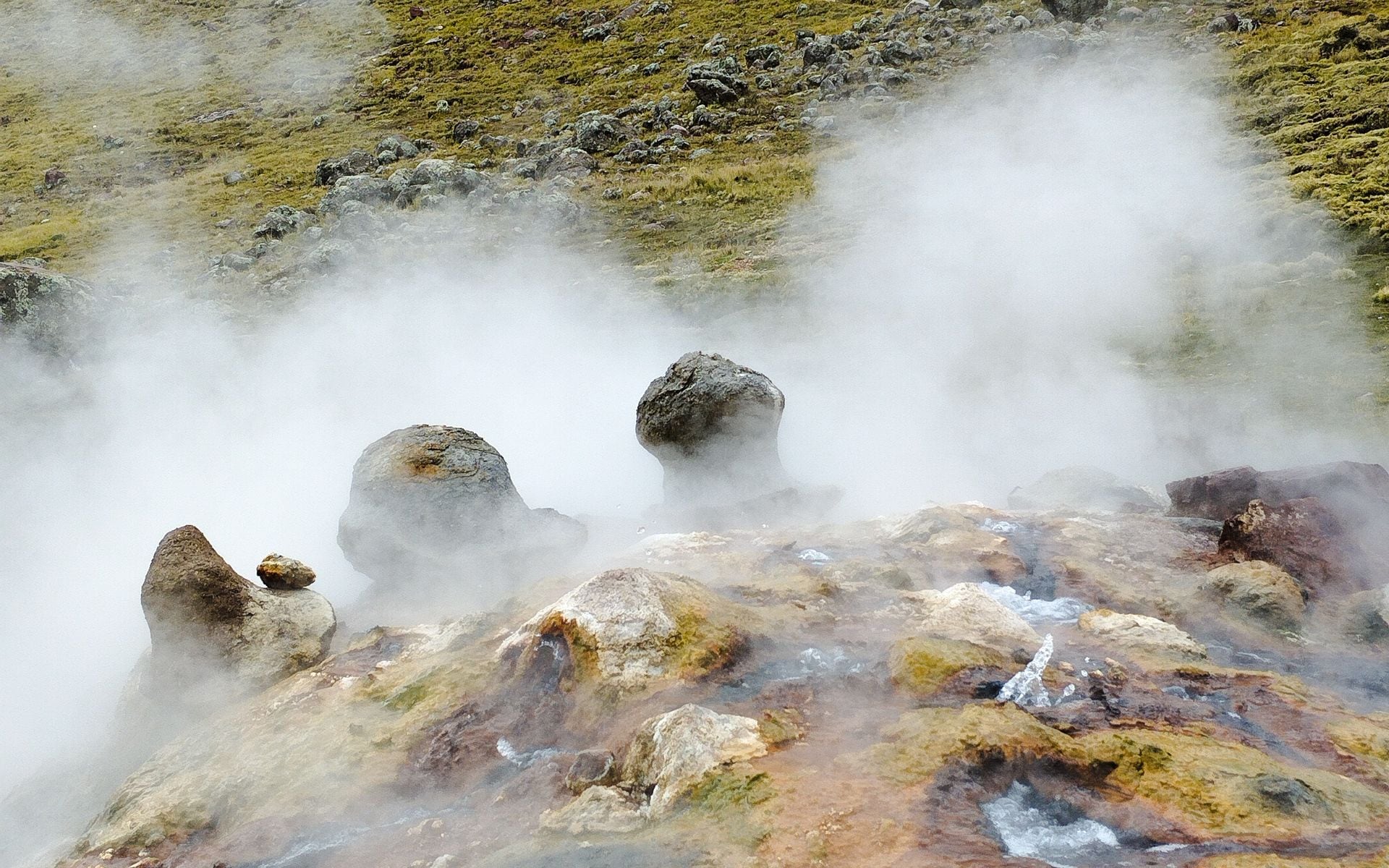
Montana sits on active geothermal ground, and the result is dozens of natural hot springs, some developed into full resorts and others left nearly as-is in remote terrain. The most famous is Chico Hot Springs in Pray, about 30 miles south of Livingston in the Paradise Valley. Two outdoor pools fed by natural mineral water run year-round alongside a historic lodge and a well-regarded dining room. The property draws visitors from as far as Bozeman, roughly an hour north on US-89, and from Gardiner and Yellowstone's North Entrance, about 45 minutes south. Further west, Quinn's Hot Springs sits along the Clark Fork River in the town of Paradise, about 50 miles east of Missoula on Highway 200. Multiple pools range from around 95°F to 106°F, with cabins on the property for overnight stays. For something more offbeat, Norris Hot Springs, about 40 miles south of Bozeman near the small town of Norris, is a single large outdoor pool built into a hand-crafted wooden basin, open evenings and often hosting live music. It's one of the more particular Montana experiences you can have. The Montana Travel Guide covers the full range of regions and activities if you want to build a broader trip around a hot springs stop.
If you want something completely undeveloped, Jerry Johnson Hot Springs is the standard recommendation. You access it via a roughly 1-mile trail along the Lochsa River canyon off US-12, about 65 miles west of Lolo Pass from Missoula. Technically this puts you just across the Idaho border, but most Montana visitors reach it from the Montana side and treat it as part of a Missoula-based trip. In Montana proper, the Beaverhead-Deerlodge National Forest near Polaris holds Elkhorn Hot Springs, a small historic resort about 45 miles south of Anaconda with two natural outdoor pools and a log lodge that has operated since the 1920s. The Big Hole Valley's Jackson Hot Springs Lodge in the town of Jackson, on MT-278 about 65 miles from Dillon, is another genuine outlier: a 1930s-era log structure with a saloon and a single large pool in one of the most remote ranching corridors in the state.
What to Expect
Resort hot springs in Montana typically maintain pool temperatures between 95°F and 106°F, with separate plunge pools at the hotter end. Facilities vary widely. Chico Hot Springs has changing rooms, towel service, and poolside food and drink service. Bozeman Hot Springs, located on US-191 about 5 miles south of downtown Bozeman, is an indoor spa-style facility with multiple pools at different temperatures, better suited to a family outing or a long afternoon than a rustic getaway. Quinn's has changing facilities, a restaurant, and a range of lodging options on the property, from cabins to motel rooms. Norris is the stripped-down version: one pool, a small entry shack, and the mountains.
Undeveloped springs require more preparation. Bring water shoes for rocky stream crossings, test the temperature before stepping in near the source (some vents run at 110°F or higher), and follow Leave No Trace principles. There are no restrooms, no shade structures, and no lifeguards. You are in bear country at almost all of these, so carry bear spray regardless of the season.
One thing that catches first-timers off guard: several Montana hot springs are cash-only at the gate. Norris is one of them. Stop at an ATM in Bozeman or Ennis before making the drive out.
Best Season
Hot springs work any month of the year, but winter is the best time to go. From December through March, pools are often uncrowded, steam rises visibly off the water against cold air and open sky, and the surrounding landscape is quiet in a way that summer cannot match. Chico Hot Springs draws a loyal winter crowd that books lodge rooms weeks in advance. The trade-off is road conditions: accessing Elkhorn Hot Springs near Polaris or Jackson Hot Springs Lodge via MT-278 involves mountain roads that can be icy or snow-packed. Check conditions at the Montana Department of Transportation before you drive, especially after a storm.
Summer (June through August) brings crowds to the well-known resorts, particularly on weekends and holiday weekends. If you're on a summer trip that already includes the parks, adding a hot springs stop as part of a longer Scenic Drives route, like the Paradise Valley corridor or a loop through southwest Montana's mining towns, keeps it from feeling like a rushed box to check. Fall is the practical sweet spot: cooler air that makes the soak more enjoyable, fewer people at every property, and fall color on the surrounding slopes in late September and early October.
Typical Costs
Day-use admission at commercial hot springs runs an estimated $10 to $20 per adult. Norris Hot Springs charges in the $8 to $12 range (cash only). Chico Hot Springs charges a day-use pool fee in the $10 to $15 range per person, on top of any lodging or dining. Bozeman Hot Springs has a tiered structure depending on session length and whether you add any treatments. Most properties offer reduced rates for children under 12.
Lodging at resort hot springs runs an estimated $120 to $300 per night, depending on the property, the season, and the room type. Chico runs toward the higher end in peak summer and holiday winter weekends. Jackson Hot Springs Lodge tends to be more affordable, in the $100 to $180 range, and its remote location in the Big Hole Valley keeps demand lower than the more accessible options. If you're building out a full Montana trip that includes a hot springs stop, the 5 Days in Montana itinerary shows how to sequence drives across the state without backtracking.
How to Book
Chico Hot Springs and Quinn's Hot Springs both take online reservations for lodging and are worth booking 4 to 6 weeks ahead for any summer weekend or winter holiday stay. Day-use pool access at both is often walk-in, but calling ahead on a holiday weekend prevents a long drive to find the lot full. Jackson Hot Springs Lodge books out during hunting season, typically October and November, when the Big Hole Valley fills with out-of-state hunters and the lodge runs at capacity.
For undeveloped springs like Jerry Johnson, no reservation is needed. Check current access conditions with the US Forest Service and Idaho Department of Lands before driving, particularly in spring when runoff can make the access trail impassable.
Tour Operators and Guides can sometimes bundle a hot springs visit into a multi-day Montana itinerary, which is worth considering if you want local guidance on road timing, pool conditions, and seasonal access. Several of the Best Small Towns in Montana, including Livingston and Ennis, sit within easy range of well-known springs and make practical overnight bases.
If you want to combine soaking with riding, Horseback Riding and Dude Ranches in the Big Hole and Paradise valleys occasionally include hot springs access as part of multi-day stays. Ask the ranch directly when booking.
Frequently asked questions
Do Montana hot springs require reservations?
Resort properties like Chico Hot Springs, Quinn's Hot Springs, and Jackson Hot Springs Lodge require reservations for overnight stays and recommend calling ahead for weekend day-use visits. Walk-in pool access is often possible on weekdays. Undeveloped springs like Jerry Johnson require no reservation, though you should check current Forest Service access conditions before driving.
Are there free hot springs in Montana?
Jerry Johnson Hot Springs, accessed via a 1-mile trail off US-12 west of Lolo Pass, is free and maintained by the US Forest Service (it sits just across the Idaho border but is typically reached from Missoula). Norris Hot Springs charges a small cash admission in the estimated $8 to $12 range. Most resort-developed pools charge day-use fees of $10 to $20 per person.
What should I bring to a Montana hot spring?
Swimsuit, towel, and water shoes for undeveloped springs. Bring cash for properties that don't accept cards, including Norris Hot Springs. Hydration is easy to overlook: soaking in hot water at altitude is dehydrating. Most commercial facilities have water available, but pack your own for undeveloped options. Carry bear spray any time you're accessing a backcountry spring.
Which Montana hot spring is closest to Yellowstone?
Chico Hot Springs in Pray, Montana, is roughly 45 minutes north of Gardiner and Yellowstone's North Entrance on US-89. It's a common overnight stop for visitors who want to combine a Yellowstone trip with a night in the Paradise Valley, and the lodge's dining room is worth a stop on its own.
Can you visit Montana hot springs in winter?
Yes, and winter is arguably the best time. Pools are less crowded, the contrast between hot water and cold air is dramatic, and the landscape is quieter than summer. Road conditions are the main variable: access roads to Elkhorn Hot Springs and Jackson Hot Springs Lodge can be snowy or icy from December through March. Check the Montana Department of Transportation road conditions map before you drive.