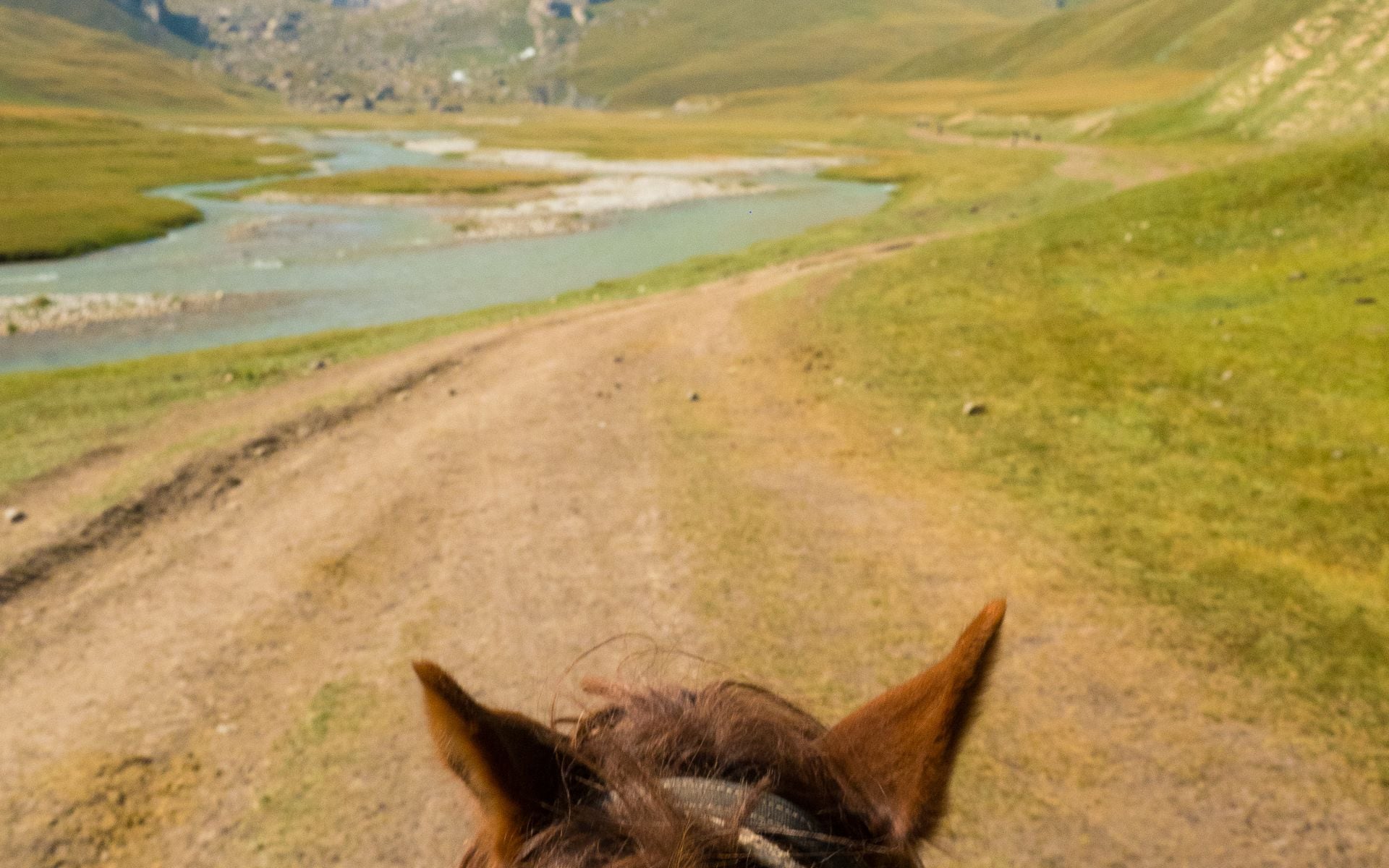
Overview
Montana has been horse country since long before statehood. The same geography that spreads cattle across millions of acres of grassland and makes the Bob Marshall Wilderness one of the largest roadless areas in the lower 48 also gives outfitters room to take paying guests deep into country that no road reaches. The scale of the state is the main selling point. A two-day pack trip can put you 20 miles into the Scapegoat Wilderness or the Beartooth Plateau, camping beside lakes that most visitors never see. A dude ranch week in the Paradise Valley or the Bitterroot Valley delivers the structure of a resort with terrain that belongs to working ranch country. For context on how horseback riding fits alongside the rest of Montana's outdoor lineup, the Montana Travel Guide covers the full picture.
Ranch culture here is real, not simulated. Many of the outfitters and dude ranches operating today have been running guests since the 1920s and 1930s, when Eastern visitors first started booking rail tickets to experience the West. The saddle-up tradition comes out of the cattle industry, not the tourism industry, and the best operations still reflect that. You will ride actual terrain, not circle a paddock.
What to Expect
The format you choose changes everything. A half-day guided trail ride near a national park entrance, say at West Yellowstone, outside St. Mary on the east side of Glacier, or at West Glacier where Glacier Guides and Montana Raft operates across multiple outdoor categories, is designed for beginners. You'll saddle up for two to three hours on well-traveled Forest Service trails, the guide handles the route and the horses, and no prior experience is required. Most operations provide helmets, fit you with proper stirrup length, and keep the pace at a walk to trot. These are good options for families with kids old enough to hold their own in the saddle, typically age seven and up, though cutoffs vary by outfitter.
Dude ranch stays work on a different schedule entirely. Most run on weekly bookings: arrive Sunday afternoon, leave Saturday morning. The riding program is the anchor of the week, with morning and afternoon rides sorted by rider experience level. A well-run ranch assigns you the same horse for the week, which lets you develop a read on the animal rather than just sitting on a different horse each day. Evenings are communal: shared meals, sometimes a campfire or barn dance, and the kind of pacing that forces you to slow down in a way that most three-night lodge stays do not. Operations in the Gallatin Valley outside Big Sky, in the Bitterroot Valley near Darby and Hamilton, and along the Rocky Mountain Front near Augusta all run this format.
Backcountry pack trips are the most demanding format and the one that gets you farthest from a paved road. Outfitters supply the horses, the pack mules for food and gear, and the camping setup. You ride from camp to camp over three to seven days through wilderness areas that are closed to motorized vehicles: the Bob Marshall Wilderness south of Glacier, the Absaroka-Beartooth east of Livingston and Billings, and the Anaconda-Pintler Wilderness in southwest Montana. These trips work best for riders who are reasonably fit and comfortable in the saddle for five to six hours a day, though most outfitters are candid about which routes suit beginners and which do not. If you are combining a pack trip with scenic drives into the high country before or after, plan for the pack trip to be the physical centerpiece of the itinerary.
Best Season
The core riding season runs from mid-June through mid-September. Snow clears from higher elevation trails and wilderness corridors through May and early June, and most dude ranches open the week before or after the summer solstice. July and August are the peak months: full ranch capacity, the longest daylight, and wildflowers through mid-July at higher elevations. Trail conditions are reliable, creek crossings are manageable, and high-country camps are snow-free. This is also when Montana's other activities are firing, so a horseback trip pairs naturally with camping and RV travel on the front or back end. The Gardiner outfitter strip near Yellowstone's north entrance includes river companies like Wild West Rafting and Yellowstone Raft Company, making it easy to add a Yellowstone River float to a riding-focused itinerary out of the same base.
September is worth targeting if your schedule allows. Crowds thin noticeably after Labor Day, temperatures cool into the 60s during the day (dropping fast once the sun goes behind a ridge), and the elk rut begins in earnest from mid-September into early October. Bull elk bugling in the Gallatin Canyon or the Paradise Valley at dawn is a specific and genuinely memorable experience. Some outfitters run pack trips into lower-elevation drainages well into October, but early snow can close high passes with little warning, so flexibility matters. Book a September trip with trip-interruption insurance if you are coming from out of state.
Typical Costs (Estimates)
These are estimates only. Confirm current rates directly with any outfitter before booking.
A half-day guided trail ride near Glacier or Yellowstone runs roughly $75 to $150 per person, with full-day rides including a packed lunch ranging from $175 to $325. Prices are higher near the national parks and near resort corridors like Big Sky. Multi-day dude ranch stays, which bundle lodging, three meals a day, and daily riding into one weekly rate, typically run $350 to $750 per person per night at a mid-range operation, with premium ranches running higher. A full week for two adults at a well-regarded all-inclusive dude ranch can total $5,000 to $12,000, depending on the ranch and the season. These rates are in line with what comparable operations charge in Wyoming and Colorado.
Backcountry pack trips are priced at approximately $350 to $600 per person per day, with most outfitters requiring a minimum of two to three days. That rate covers horses, mules, guide labor, meals, and camping gear. You supply your personal clothing and sleeping bag. Shorter two-night trips are available from some outfitters, but the per-day rate is usually the same. The cost is significant, but these trips access terrain that is not reachable any other way. Tour operators and guides who specialize in pack trips often book six to eight months out for July and August departures.
How to Book
Start by confirming the outfitter's license. Montana requires that anyone taking paying guests into the backcountry on horseback hold a current license issued by the Montana Board of Outfitters. You can look up any outfitter's license status on the Montana Department of Labor and Industry website before you hand over a deposit. A licensed outfitter carries liability insurance, has passed a competency evaluation, and is bound by state regulations on group size and wilderness impact. This is not a formality: it is the primary way to distinguish professional operations from informal guides who may not carry insurance.
For dude ranch weeks, start planning in the fall for the following summer if you want a July or early August slot. Most ranches hold between 12 and 40 guests at a time, and popular weeks, especially those around school breaks in late June, mid-July, and early August, fill out by January or February. Contact ranches directly; most do not use third-party booking platforms for multi-night stays. If you want to build horseback riding into a broader itinerary, the 5 Days in Montana itinerary gives you a planning framework that leaves room for a ranch day or two alongside the national parks.
For shorter guided rides, book one to two weeks ahead for summer trips near the national parks, and two to four weeks out if you want a specific date during peak season in July. Show up without a reservation and you may find the day fully committed, especially at operations near the Glacier and Yellowstone entrances. Outfitters near Montana's best small towns, including Livingston, Ennis, Darby, and Augusta, often have better availability than those at the park gates, and they operate in equally good terrain. In western Montana, outfitter companies like Montana River Guides near Alberton and Northwest Montana Adventures near Olney work in territory that borders pack trip country; both can direct you to licensed horseback operations in the same region.
Frequently asked questions
Do I need riding experience for a Montana dude ranch?
Most dude ranches sort riders by ability on the first day and run separate groups for beginners and experienced riders throughout the week. True beginners are welcome at the majority of operations. If you have never ridden before, mention it clearly when booking so the ranch can place you correctly. Pack trips into the backcountry are the one format where some riding comfort genuinely matters, since you may be in the saddle for five or six hours a day on varied terrain.
How far in advance should I book a Montana dude ranch?
Six to twelve months is the safe window for a July or August week. Many ranches open reservations in the fall for the following summer and fill their peak weeks by mid-winter. September weeks are often more available, and they come with thinner crowds and the beginning of the elk rut, which is a real bonus if wildlife is on your radar. For half-day or full-day trail rides near the national parks, one to two weeks out is usually sufficient, though popular summer operators fill faster.
What is included in a typical dude ranch stay?
All-inclusive ranches bundle lodging, all meals (three a day plus snacks), and the riding program into one weekly rate. Most also include other activities: fishing, archery, hiking, or clay shooting depending on the operation. Alcohol, spa services, and gratuities are usually separate. Transfers from the airport are sometimes included and sometimes not. Confirm what is and is not in the rate before you book, and ask specifically about the gratuity policy, since staff gratuities at well-run ranches typically run 15 to 20 percent of the total bill.
Can kids do horseback riding or dude ranch stays in Montana?
Most dude ranches welcome families and have dedicated kids' riding programs for children roughly ages six or seven and up. Some have a lower weight limit for horses rather than an age minimum. Younger children (under age 5 or 6) can often do pony rides or short lead-line rides in a corral. Confirm the specific age and weight minimums when you inquire, since they vary by operation. Half-day trail rides near the national parks typically require children to be at least 7 years old and weigh under 250 pounds.
Do I need to bring my own gear for a horseback trip in Montana?
Outfitters provide horses, saddles, and usually helmets. For a dude ranch stay or guided day ride, you need long pants (jeans work well), close-toed shoes or boots with a heel, sunscreen, and a light jacket since temperature drops fast at elevation. For a multi-day pack trip, your outfitter will send you a packing list specific to the route and season, covering sleeping bag weight, rain layers, and personal clothing. Do not show up in sandals or athletic shorts.