Overview
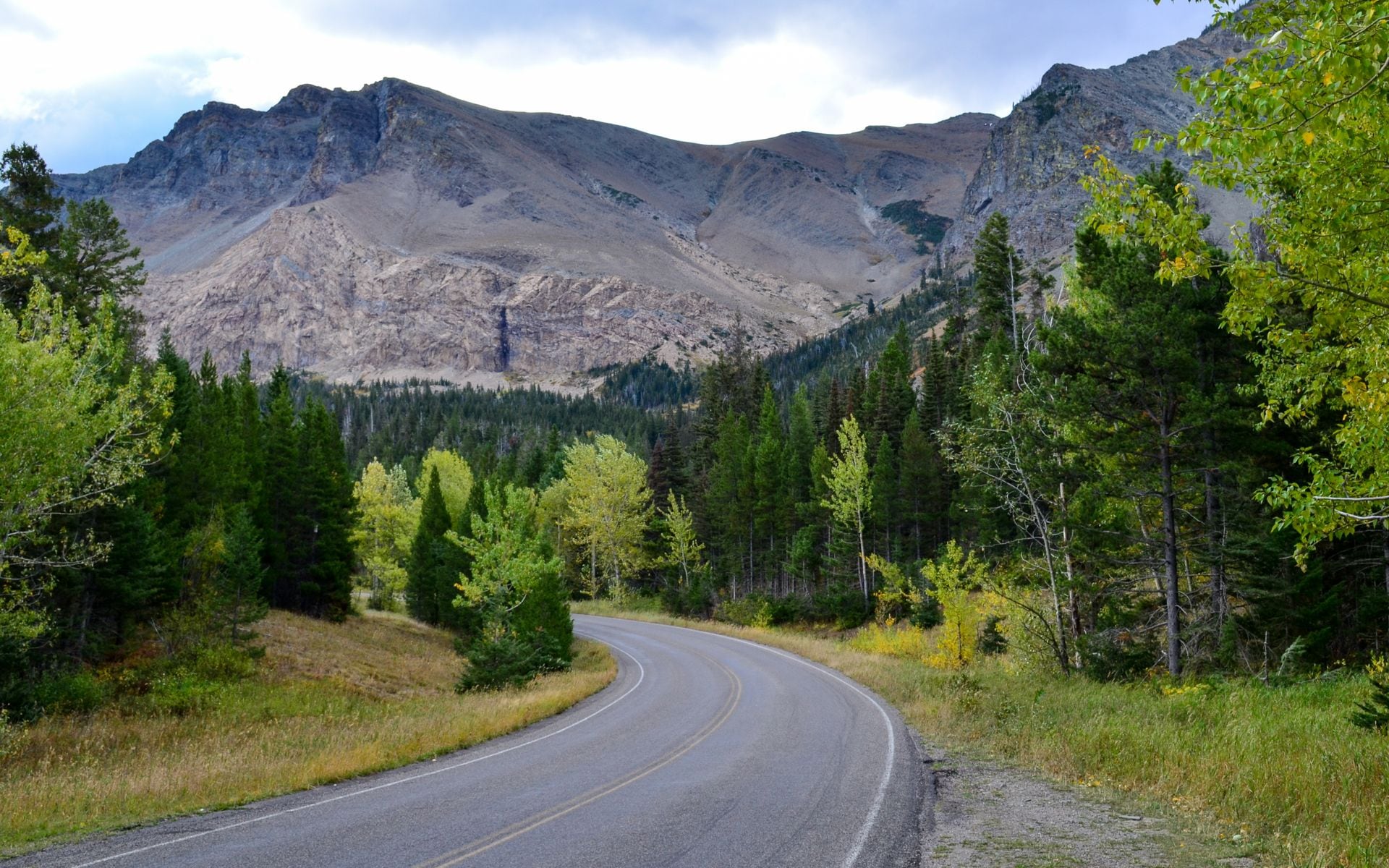
Montana's scenic drives fall into two categories: the icons and the ones most visitors never find. Both are worth knowing. This Montana Travel Guide covers all of them, but the drives deserve their own attention. Going-to-the-Sun Road in Glacier National Park crosses the Continental Divide at Logan Pass (6,646 feet) over 50 miles of alpine terrain unlike anything else in the country. The Beartooth Highway (US-212) climbs from Red Lodge to Cooke City at 10,947 feet, switchbacking through open tundra plateau for 68 miles before dropping into the Cooke City valley near the northeast corner of Yellowstone. Both are roads people plan entire trips around.
Beyond those two, there's the Paradise Valley corridor on US-89 south of Livingston, following the Yellowstone River through open ranch land toward Gardiner and the park's north entrance. The Absaroka Range rises to the east, the Gallatin Range to the west, and osprey and great blue herons work the river at first light. The east-side Glacier corridor on US-89 between Browning and Babb gives you open-prairie views of the mountain wall rising from the flatlands, an entirely different experience from the west side, and far less traffic. Most of these roads connect directly to Montana's national parks, trailheads, and small towns, making them the spine of any road-trip itinerary.
What to Expect
Montana drives are longer than they look on a map. The state covers 147,000 square miles and has fewer than a million people, so point-to-point distances add up fast. Bozeman to Glacier is 330 miles, roughly 6 to 7 hours of driving. Billings to Glacier is more than 500 miles, which is most of a full day. If you're combining two regions in one trip, build in overnight stays rather than trying to cover those distances in a single push. A rental car is essential because there is no statewide transit network linking these corridors.
The roads themselves vary in character. Going-to-the-Sun Road is fully paved, but the middle section between Avalanche Creek and the Sun Point parking area is narrow, two lanes that feel closer to one in places, with steep drop-offs on one side and vertical rock walls on the other. Vehicles over 21 feet in combined length (including tow hitches) are prohibited in that stretch. The Beartooth Highway has long sweeping curves above treeline but gets steep on the Red Lodge and Cooke City approaches. Cell service drops in most valleys and on long stretches east of Lewistown. Keep the gas tank above half when you leave a town, and download offline maps before you set out. Several of these drives also put you close to some of Montana's best small towns, which are worth a stop for a meal, a cold drink, or a night.
Best Season
The window for most of Montana's signature drives is mid-June through September, but the exact timing matters by road. Going-to-the-Sun Road fully opens in late June or early July (the date shifts with annual snowpack and is posted on nps.gov) and closes with the first serious snowfall, typically sometime in October. The Beartooth Highway (US-212) generally opens around Memorial Day weekend and closes by mid-October. It can shut down temporarily even in summer after a late-season storm at 10,947 feet. Paradise Valley on US-89 runs year-round, though the gravel side roads into the Absarokas may require high clearance during spring mud season.
Fall is the most underrated time to drive. From mid-September into early October, traffic drops sharply, skies tend to stay clear and dry, the elk rut fills Paradise Valley with sound at dawn and dusk, and the Beartooth Plateau above Red Lodge turns gold with subalpine larches that most summer-only visitors never see. If you're planning around Glacier in peak summer (July and August), timed vehicle reservations for Going-to-the-Sun Road are required and sell out fast. Check recreation.gov in early spring, well before you book flights. A well-paced 5-day Montana itinerary can cover two or three of these drives without feeling rushed.
Typical Costs
The roads themselves are free. Costs come from park entry fees and logistics. Glacier National Park charges roughly $35 per vehicle per week (estimate; check nps.gov for the current year's rate). Yellowstone carries a similar rate if you exit the Beartooth through Cooke City and continue south into the park. The America the Beautiful annual pass runs about $80 and covers entry to both parks plus hundreds of other federal lands. If you're spending two weeks in Montana and hitting more than one national park or monument, the pass pays for itself quickly.
Gas is the biggest variable because distances between stations can be long. Filling up before each major drive segment is a habit worth building. Stations thin out between towns on the Beartooth, in the Missouri Breaks, and on stretches of US-2 between Browning and Shelby. Lodging in the gateway towns (Red Lodge, Whitefish, West Glacier, Livingston, Gardiner) fills weeks or months ahead for July and August, so book early. If you want a guided experience at a stop along the way, local outfitters can arrange half-day and full-day options; the Tour Operators and Guides directory has options sorted by region.
Combining a scenic drive with camping along the route cuts lodging costs significantly. Campgrounds at Many Glacier, Two Medicine, and Apgar inside Glacier put you directly on or near the main drives. Those sites also go through recreation.gov and book out early, so plan that side of the trip at the same time as the driving permits.
How to Book
Scenic drives don't require reservations, with one exception: the timed vehicle entry permit for Going-to-the-Sun Road during peak summer. Glacier issues these through recreation.gov, generally starting in late spring for the coming season. They sell out fast for prime July and August dates, sometimes within hours of release. If you miss the advance window, a portion are released on a rolling two-day basis, and the corridor is permit-free before 6 AM and after 5 PM during peak season. That early-morning window is genuinely usable: Logan Pass at sunrise is quieter and colder, and the light hits the peaks at a better angle than it does mid-afternoon.
For everything else, the logistics are straightforward. Book a rental car from one of the main Montana airports early: BZN in Bozeman, MSO in Missoula, FCA in Kalispell (closest to Glacier), or BIL in Billings for the southeast. Reserve lodging in gateway towns 3 to 6 months out for summer trips. Pack real layers regardless of when you go. The Beartooth Plateau sits above 10,000 feet for much of its length and sees frost and afternoon thunderstorms even in August. Going-to-the-Sun Road drops 15 to 20 degrees Fahrenheit between the west entrance at Apgar and Logan Pass, so a fleece or light jacket in the car is worth more than it sounds.
Frequently asked questions
Is Going-to-the-Sun Road difficult to drive?
The road is paved and well-maintained, but the middle section from Avalanche Creek to the Sun Point parking area is narrow with steep drop-offs on one side and rock walls on the other. Most passenger cars handle it fine at a careful pace. Vehicles over 21 feet in combined length, including tow hitches and trailer hitches, are prohibited in that section and must stop at the designated pullouts at each end of the restricted zone. Logan Pass parking fills by 7:30 to 8:00 AM on peak summer days. Either start very early from the west entrance at Apgar (before 7 AM), or take the park's free shuttle from Apgar or Avalanche Creek up to the pass.
Can I drive both Going-to-the-Sun Road and the Beartooth Highway on one trip?
Yes, and it's a natural pairing. The two drives are about 330 miles apart (roughly 6 to 7 hours via I-90). A common route runs Glacier first, then south to Bozeman, east to Red Lodge via Columbus and US-212, up and over the Beartooth to Cooke City, and out through Gardiner and Paradise Valley. That loop covers both drives along with Yellowstone and the north-entrance corridor. Budget 8 to 10 days to do it without feeling rushed.
Is the Beartooth Highway open year-round?
No. The highway typically opens around Memorial Day weekend and closes when serious snow returns, usually by mid-October. It can close temporarily even in summer after a storm, since the pass sits at 10,947 feet and weather at that elevation can shift fast even in July. Check Montana DOT and Wyoming DOT road condition reports before you drive, and don't assume it's open just because it's midsummer.
What's the best time of day to drive Going-to-the-Sun Road?
Early morning gives you the best light and the best chance at Logan Pass parking. The lot fills by 7:30 to 8:00 AM on most July and August days. Driving east from the west entrance (Apgar) in the morning puts good light on the peaks above you and avoids the worst of the afternoon traffic jam at the pass. If you'd rather drive the east side, starting from St. Mary early in the morning is quieter and gives you open views across the Two Medicine grasslands before you hit the high alpine section.