What to Expect
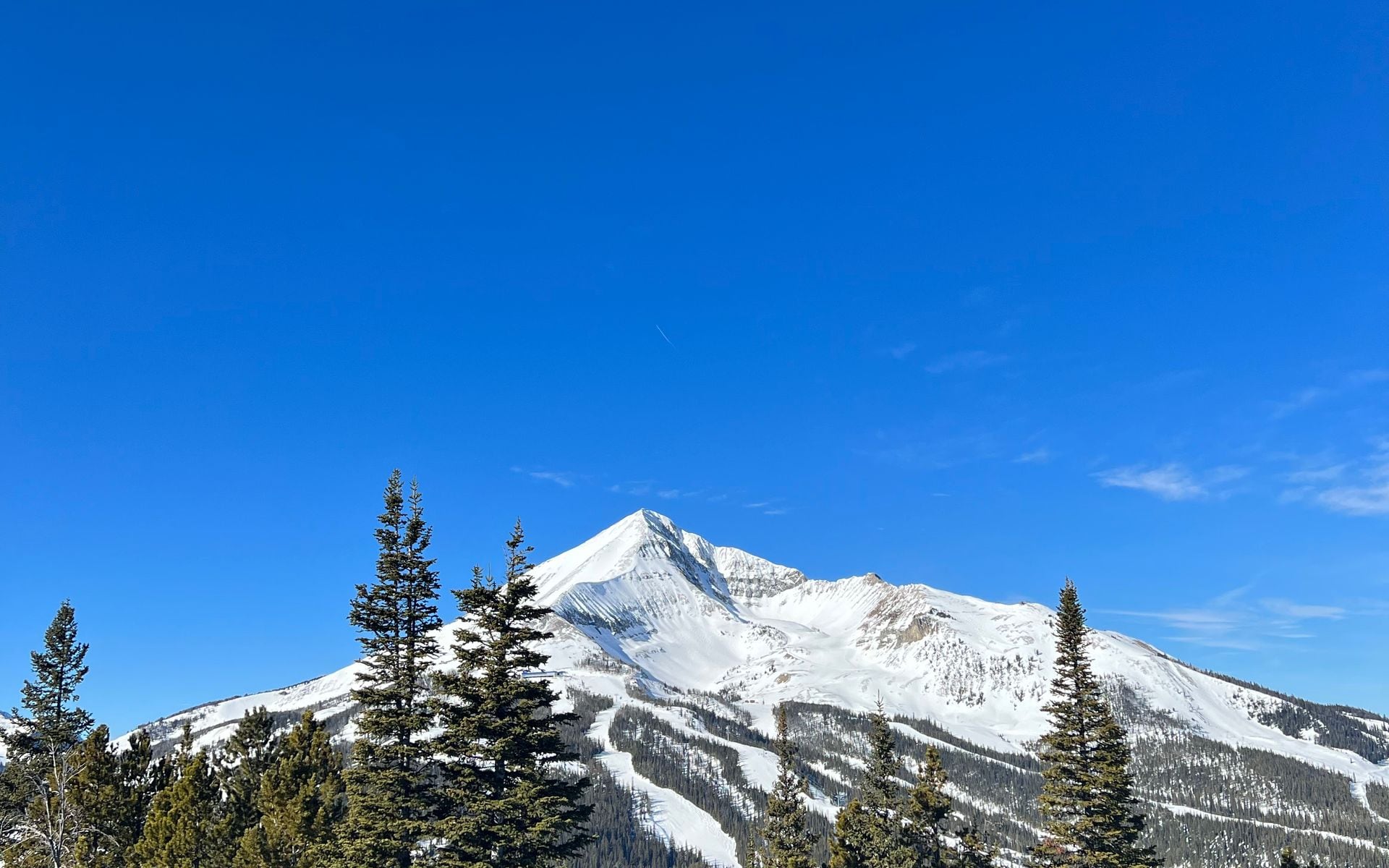
Big Sky isn't a town in the traditional sense. It's a resort community spread through the Gallatin Canyon, anchored by Big Sky Resort at the base of Lone Mountain, which tops out at 11,166 feet. Most services (lodging, restaurants, ski rentals, groceries) cluster in a few distinct areas: Mountain Village at the base of the main lifts, Meadow Village about four miles down the highway, and the Outpost area between them. In winter, shuttles connect the villages and you can get by without moving your car once you arrive. In summer, service thins out and having your own vehicle gives you more range. Travelers who want lodging outside the resort footprint sometimes book 320 Guest Ranch, about 12 miles further south in Gallatin Gateway, which has log cabin accommodations and fly fishing access on the Gallatin River.
The scale of the ski area is worth understanding before you go. Big Sky Resort expanded to include neighboring Moonlight Basin, and the combined footprint covers roughly 5,800 acres of skiable terrain, making it one of the largest ski resorts in the United States. That size means you won't exhaust the mountain in a few days. It also means that on weekdays in January and February, when school is in session and the holiday crowds have cleared, you can find lift lines measured in seconds rather than minutes. If you're comparing resorts, see the Best Ski Resorts in Montana for how Big Sky stacks up against Whitefish Mountain Resort, Bridger Bowl, and Red Lodge Mountain.
The surrounding landscape belongs to Yellowstone Country, and you feel that context everywhere: the Gallatin Range rises on both sides of the canyon, the river runs fast below the highway, and the road south eventually crosses into Yellowstone National Park itself. This is serious mountain terrain, and visitors who come expecting a mall-style resort village sometimes need a moment to recalibrate. Big Sky is beautiful and well-developed, but it remains genuinely tied to the land around it.
What to Do There
Skiing and snowboarding is the central draw from December through late March. The Lone Peak Tram carries riders from the upper mountain to the 11,166-foot summit, where the terrain falls away in multiple directions and views on clear days stretch across the Gallatin and Madison ranges into Yellowstone's high plateaus. Lift tickets run approximately $160 to $210 per day during peak season (this is an estimate; pricing changes every season). If you're staying three or more days, the Ikon Pass, which covers unlimited days at Big Sky Resort, makes strong financial sense and also gets you into other western mountains on the same trip. For a full overview of Montana ski options, the Skiing and Snowboarding page covers terrain comparisons and seasonal timing.
Summer transforms the mountain. The same lifts that carry skiers run as scenic chairlifts, and a network of hiking and mountain biking trails opens up across the resort. One of the best hikes in the area doesn't use the lifts at all: Beehive Basin, accessed via Beehive Basin Road off US-191 about 12 miles from the resort base, follows about 8 miles round trip into a high alpine cirque ringed by the Spanish Peaks. By mid-July the wildflowers are dense, and the basin holds snow into June most years. Afternoon thunderstorms build fast at this elevation, so start early and bring a rain layer.
The Gallatin River runs through the canyon alongside US-191, and it earns its reputation as both a fly fishing stream and a whitewater run. The canyon section between Big Sky and Bozeman holds Class III and IV rapids during runoff (roughly mid-May through early July), and local outfitters run half-day and full-day raft trips. Later in summer when flows drop, the same stretches become better for wade fishing. Several guide services operate year-round and can set you up for either pursuit, or you can explore on your own if you know the water. After a day on the river, Riverhouse BBQ & Events in Gallatin Gateway, roughly midway between Big Sky and Bozeman on US-191, is a reliable dinner stop with brisket, ribs, and outdoor seating facing the canyon walls.
Getting There and Parking
Big Sky is 50 miles and about one hour south of Bozeman on US-191. Bozeman Yellowstone International Airport (BZN) is the closest airport, with direct flights from Seattle, Denver, Dallas, Chicago, Los Angeles, and other major hubs. All major rental car companies have desks at BZN, and a rental car is the practical choice for most visitors. Some shuttle services run between BZN and Big Sky during ski season, but they operate on fixed schedules and require advance booking; a rental car gives you the flexibility to stop along the Gallatin Canyon on the way, pick up groceries in Bozeman, or make a day trip to Yellowstone.
In winter, US-191 through the Gallatin Canyon can be icy and snowy. All-wheel drive or four-wheel drive is worth requesting when you pick up your rental, and carrying tire chains is good insurance for extended stays. The drive itself is straightforward and well-signed, and the canyon scenery along the river makes the hour pass quickly. Parking at the Mountain Village base area is free, but powder days fill the lots early. If you arrive by 8 AM on a busy day, you'll have your choice of spots. Later arrivals park in overflow areas and take the resort's internal shuttles.
Best Time to Go
Peak ski season runs December through March. January and February have the most consistent snow depth and the coldest temperatures, with daytime highs often staying below freezing at the resort base (elevation roughly 7,500 feet at Mountain Village). If you're prioritizing short lift lines and value, mid-January through mid-February on weekdays is the right call: the holiday crowds are gone, the mountain is in full operation, and the terrain is at its best. Weekend crowds pick up throughout February and March as spring break season starts to build.
Summer (late June through September) is a completely different, and often underrated, experience. Nightly lodging rates drop 30 to 50 percent compared to ski season, the hiking is excellent with long daylight into late evening, and the resort runs scenic lifts and adventure activities without the congestion of winter. This is also the window for Yellowstone day trips, since the full interior road loop in the park typically reopens in late May and runs through late October. October brings gold to the aspen groves along the canyon, and the elk rut runs through most of the month, with bulls often audible from the highway in the early morning and evening.
Spring (April and May) is the shoulder season. The ski area is often still open into late April on reduced terrain, and the lower canyon starts to green up while snow still covers the upper mountain. Runoff makes the Gallatin River high and fast in May and into June, which is the best time for whitewater but requires respect for the current.
Good to Know
Big Sky sits about 48 miles from West Yellowstone along US-191, and that road is genuinely worth noting: it passes through the northwest corner of Yellowstone National Park, making it the only US-numbered highway routed through the park. You'll cross the park boundary about 25 miles south of Big Sky. From West Yellowstone, the Old Faithful area is another 30 miles or so into the interior. That means a full Yellowstone day from Big Sky takes 1.5 to 2 hours of driving to reach the major geyser basins, which is doable but requires an early start. Build in time: Yellowstone's interior roads have 45 mph speed limits and frequent wildlife jams that can add 20 to 30 minutes to any estimate.
Cell service in the Gallatin Canyon is inconsistent and disappears entirely in sections. Download offline maps and save key addresses before you leave Bozeman. Grocery options in Big Sky itself are limited and priced to reflect the captive market; stocking up at a Bozeman store before heading up the canyon saves money and time, especially for a multi-day stay. If you're stopping for dinner in Bozeman, Montana Ale Works on East Main Street and Copper Whiskey Bar and Grill on Main Street are both solid options and keep reasonable hours.
Frequently asked questions
How far is Big Sky from Bozeman?
Big Sky is about 50 miles south of Bozeman on US-191, a drive of roughly one hour. Bozeman Yellowstone International Airport (BZN) is the closest airport and has direct flights from most major US cities.
How far is Big Sky from Yellowstone National Park?
West Yellowstone is about 48 miles south of Big Sky on US-191, roughly a 50-minute drive. That road passes through the northwest corner of Yellowstone National Park itself. From West Yellowstone, reaching Old Faithful and the main geyser basins takes another 30 to 45 minutes of driving through the interior.
Is Big Sky good for skiing beginners?
Yes. Big Sky Resort has dedicated beginner terrain and a ski school at the Mountain Village base. The mountain's sheer size means beginner and intermediate runs are rarely crowded, and you can spend several days on groomed trails without repeating yourself. Lift tickets run roughly $160 to $210 per day in peak season (estimate); the Ikon Pass offers better value for stays of three or more days. See the full Skiing and Snowboarding guide for Montana resort comparisons.
Is Big Sky worth visiting in summer?
Summer is genuinely worth the trip, especially for hikers. The Beehive Basin hike (about 8 miles round trip, accessed from Beehive Basin Road) climbs into one of the better alpine basins in the Gallatin Range, and the resort runs scenic chairlifts and mountain biking trails. Lodging rates drop 30 to 50 percent versus ski season. The Gallatin River through the canyon is beautiful in summer and good for fly fishing once flows settle in late July.
Do I need a car to get around Big Sky?
You need a car to reach Big Sky from Bozeman, and it's by far the most practical option. Once there in winter, internal resort shuttles run between Mountain Village and Meadow Village. In summer, service is limited and a car is more useful. Rental cars are available at BZN; all-wheel or four-wheel drive is worth requesting for winter travel through the Gallatin Canyon.