Picking the best cities to visit in Montana depends almost entirely on where you want to go in the state, not just which city sounds most interesting on paper. Montana covers roughly 147,000 square miles. Bozeman and Whitefish are about 6 to 7 hours apart by car. If you choose the wrong base for your itinerary, you spend half your trip behind the wheel covering ground you did not plan to cover. This guide breaks down each city’s strengths, what it puts you close to, and which type of traveler it actually suits.
Bozeman
Bozeman sits in the Gallatin Valley at 4,820 feet, about 80 miles north of Yellowstone National Park’s north entrance at Gardiner and 45 miles from the Big Sky Resort area. Bozeman Yellowstone International Airport (BZN) is the state’s busiest airport, with direct flights from most major US hubs, which makes it many visitors’ default entry point into Montana.
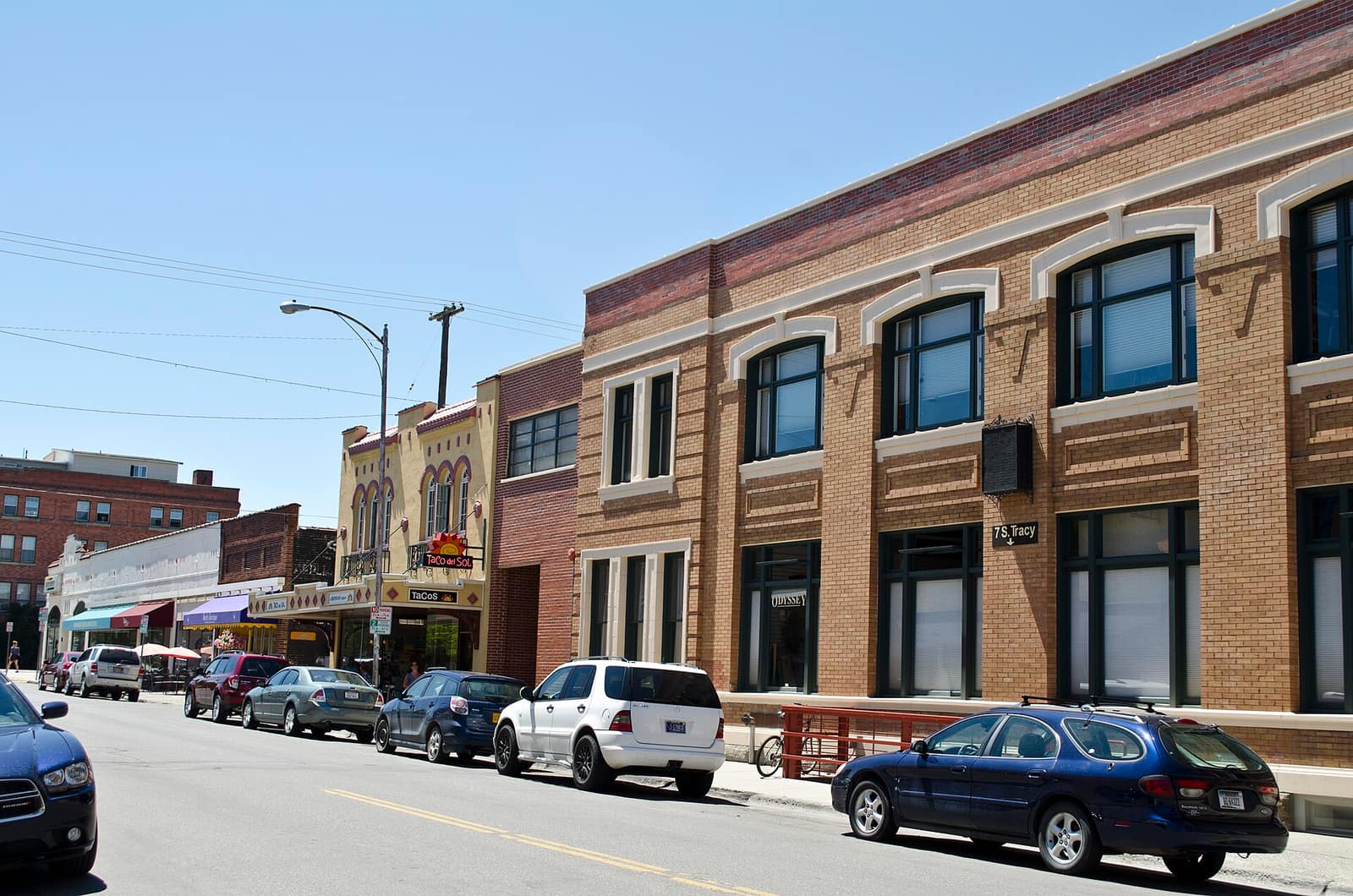
Downtown Bozeman runs along Main Street, with independent restaurants, coffee shops, outdoor gear shops, and bars concentrated in the blocks between 7th Avenue and Willson Avenue. The Rialto and the Emerson Cultural Center are the main arts venues. Montana State University anchors the east end of town, and the Museum of the Rockies on campus has one of the world’s most significant dinosaur fossil collections. The Gallatin River, about 10 minutes south of downtown on US-191, is one of Montana’s blue-ribbon trout streams.
For most first-time Montana visitors combining Yellowstone National Park with Big Sky, Bozeman is the logical base. Winter skiers have two options: Big Sky Resort, 45 miles south on US-191 and one of the largest ski areas in the country by acreage, and Bridger Bowl, a community ski area 16 miles northeast of downtown with lower prices and a local crowd. Both have reliable snowfall from December through March.
Summer pushes lodging prices higher here than almost anywhere else in the state. Book 3 to 6 months ahead for July or August. Shoulder seasons, late September through early November and mid-March through May, offer dramatically better rates and fewer crowds, though some area services thin out.
For everything to do in the area, see our Bozeman travel guide.
Best for: Yellowstone visitors, Big Sky skiers, first-time Montana visitors, anglers targeting the Gallatin and Madison rivers.
Missoula
Missoula sits at the convergence of five river valleys in western Montana, about 120 miles south of Flathead Lake and roughly 3.5 to 4 hours by car from the Glacier National Park west entrance near West Glacier. It’s home to the University of Montana and has a compact, walkable downtown with a strong local food scene, live music venues, and easy trailhead access from within city limits.
The Clark Fork River runs through the center of downtown. Caras Park, right on the riverbank, hosts a Saturday farmers market from late May through October. Kim Williams Trail, a paved path along the Clark Fork east of downtown, works for running, cycling, and an easy morning walk. Rattlesnake Wilderness is about 5 miles from the center of town and gives you immediate access to serious hiking and mountain biking. The city is compact enough that you can walk from your hotel to dinner to a trailhead.
Missoula Montana Airport (MSO) has direct flights from Seattle, Los Angeles, Denver, Salt Lake City, and a handful of other hubs, though the selection is narrower than Bozeman. If you want a base with real city life that puts you outdoors within minutes, and you are not centering your trip on Yellowstone, Missoula earns it. See our Missoula travel guide for more on what to do in the area.
Best for: Outdoor-focused travelers who want a livable city feel, anyone combining western Montana with Flathead Lake or the Bitterroot Valley.
Whitefish
Whitefish is a resort town of about 8,000 people in northwestern Montana, 25 miles north of Kalispell and roughly 30 minutes from the West Glacier entrance to Glacier National Park. The park’s seasonal road, Going-to-the-Sun Road, typically opens fully in late June or early July. Whitefish puts you close enough to plan an early start and be back for dinner.
Whitefish Mountain Resort, 8 miles east of downtown via Big Mountain Road, has over 3,000 acres of skiable terrain and a season that runs roughly December through mid-April. Summer brings lift-served mountain biking and hiking on the same terrain. Downtown Whitefish centers on Central Avenue, with restaurants, bars, and shops that stay busy year-round. Whitefish Lake, just north of town, has a public beach and boat rentals in summer.
Glacier Park International Airport in Kalispell (FCA), about 15 minutes south of Whitefish, has direct flights from Seattle and Denver. If you’re visiting Glacier, Whitefish is the best base by a significant margin. It has more dining and lodging options than the smaller communities outside the park and short enough drive times to make day trips practical. See our Whitefish travel guide for specifics on lodging and things to do.
Best for: Glacier National Park visitors, skiers, anyone wanting a mountain town feel with more amenities than a park gateway town typically offers.
Billings
Billings is Montana’s largest city at around 120,000 people, in the south-central part of the state along the Yellowstone River. Billings Logan International Airport (BIL) sits right at the edge of the city, with direct flights from Denver, Salt Lake City, Seattle, Minneapolis, and a few other hubs. If you’re heading to the Beartooth Highway, Little Bighorn Battlefield, or the Bighorn Canyon area, Billings is the logical fly-in point.
The Rimrocks frame the north edge of town, a series of sandstone cliffs that rise 400 feet above the valley floor. The Rimrock Trail system gives you views of the city and the plains beyond without driving anywhere. Pompeys Pillar National Monument, about 28 miles east on I-94, has William Clark’s 1806 signature still carved into the sandstone, the only remaining physical evidence of the Corps of Discovery expedition on the landscape. ZooMontana, on the west side of town, is a solid stop if you’re traveling with children.
The Beartooth Highway starts at Red Lodge, about 60 miles southwest of Billings via US-212. The highway climbs to 10,947 feet and is one of the most dramatic alpine roads in the country. It opens in late May or June (snow and weather dependent) and closes by October. Red Lodge itself is a small ski town with restaurants and lodging. The highway runs to Cooke City at the northeastern corner of Yellowstone National Park, making this a legitimate alternative entry to the park’s northeast entrance for summer visitors.
For a broader look at the region, see our Billings travel guide.
Best for: Beartooth Highway and Red Lodge visitors, Little Bighorn Battlefield trips, eastern Montana road trips.
Helena
Helena is Montana’s state capital, in the west-central part of the state about 115 miles east of Missoula and 90 miles north of Bozeman. The population is around 35,000, making it compact and easy to navigate in a day. Helena Regional Airport (HLN) has limited direct flights, so most visitors arrive by car from Bozeman or Missoula.
The Cathedral of Saint Helena rises above the city skyline on Lawrence Street, modeled on the Votivkirche in Vienna and open for self-guided tours on most days. Last Chance Gulch, where prospectors made a gold strike in 1864, is now the downtown pedestrian mall and the center of the city’s restaurants and shops. The Montana State Capitol and the Montana Historical Society museum are both within walking distance of each other and worth several hours combined. Lewis and Clark Caverns State Park, about 75 miles southwest via I-90, is the largest commercially developed cave system in Montana and a reasonable half-day excursion.
Helena rarely gets the attention it deserves on a Montana itinerary. Most visitors pass through quickly between Bozeman and Missoula. If you have an afternoon to spare, the historical concentration in the city is genuine and the crowds are thin. Overnight stays are cheaper here than in Bozeman or Whitefish through most of the year. See our Helena travel guide for what to see and where to stay.
Best for: History travelers, anyone doing a cross-state Montana road trip, visitors who want a central base with lower lodging costs.
How to Choose and Get Around
Every city in Montana requires either a flight or a long drive. Bozeman and Billings have the most direct flight connections from major US cities. Missoula and Kalispell (serving Whitefish) have moderate options. Helena is the most limited.
Once you’re in, a rental car is not optional. Distances between the cities on this list range from 90 miles (Helena to Missoula) to 6 or 7 hours (Bozeman to Whitefish). There is no statewide rail or bus network worth planning around for a visitor. Read our guide to renting a car in Montana before you book flights, since rental availability in Bozeman and Whitefish gets tight in peak summer.
The short version on which city to choose: Glacier brings you to Whitefish. Yellowstone and Big Sky bring you to Bozeman. A western Montana road trip with Flathead Lake and the Bitterroot gives Missoula the most flexibility. Eastern Montana and the Beartooth Highway point to Billings. Helena works best as a midpoint stop or a single night on a cross-state route.
For timing, summer fills Bozeman and Whitefish fast, with prices to match. Late September through mid-October brings the elk rut, larch color in Glacier’s backcountry, and a dramatic drop in crowds and prices across all of these cities. For a full breakdown of when to go, see our best time to visit Montana guide.