What to Expect in Helena
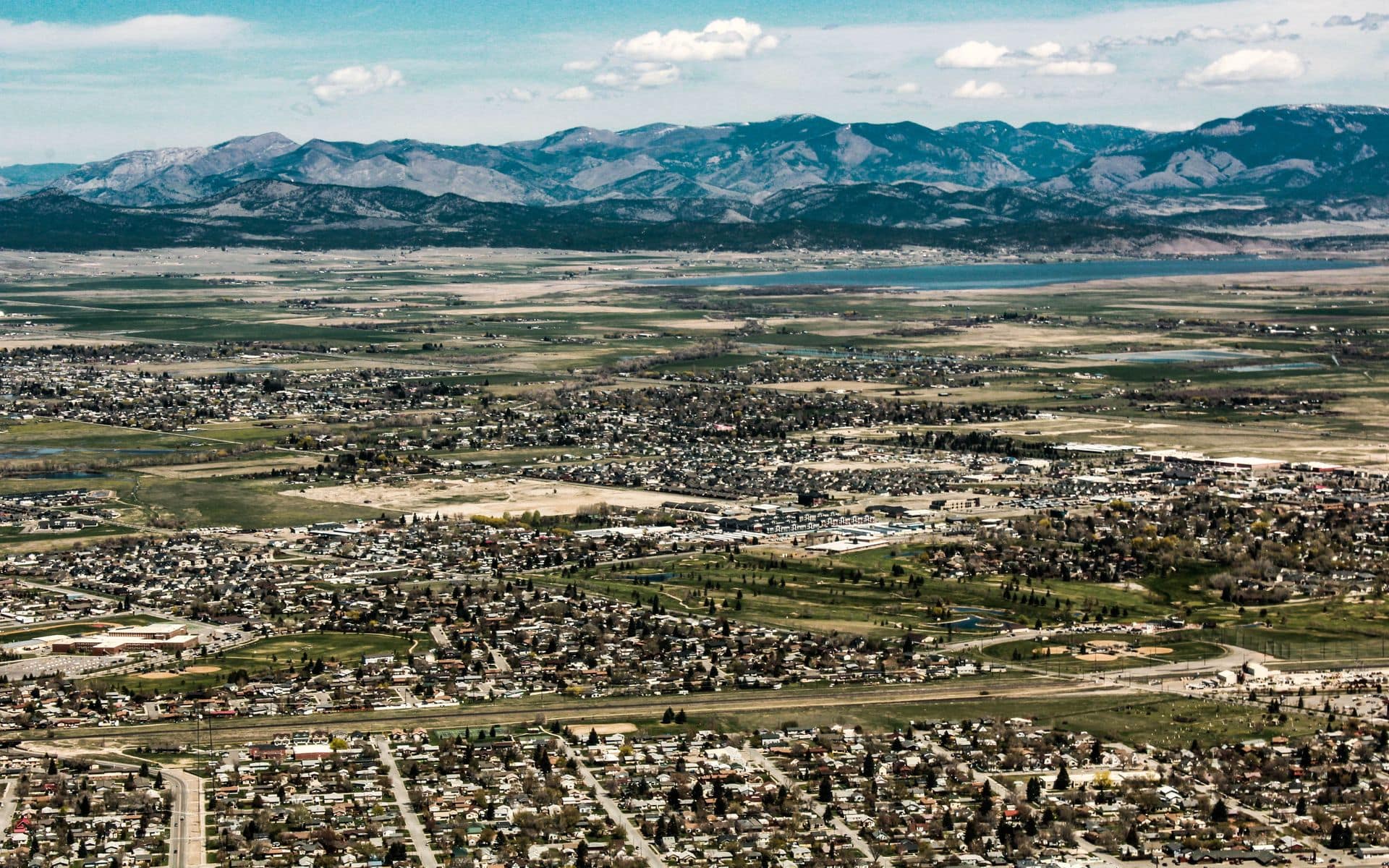
Helena sits at about 4,000 feet in the Prickly Pear Valley, a capital city of roughly 35,000 people surrounded by low forested ridges. The skyline is unusual for a western state capital: the Cathedral of St. Helena rises above downtown with twin spires modeled after the Cologne Cathedral in Germany, its Bavarian stained glass visible from blocks away. The Montana State Capitol dome sits a short walk east. Last Chance Gulch, the pedestrian walking mall at the center of downtown, traces the crooked path of the 1864 gold rush stream that started the city, and independent restaurants, galleries, and coffee shops fill the ground floors of Victorian commercial buildings along it.
Helena is part of Southwest Montana, the arc of the state that also covers Butte, the Big Hole River valley, and the Missouri headwaters at Three Forks. It's not on most travelers' shortlists until they drive through and realize the combination of walkable history, genuine outdoor access, and the Gates of the Mountains canyon just north of town is hard to find anywhere else in the state. Helena also sits roughly between Yellowstone Country and Glacier Country, which makes it a logical overnight stop on a longer Montana road trip.
What to Do in Helena
The Gates of the Mountains boat tour is the thing that surprises most first-timers. About 20 miles north of Helena off I-15, the Missouri River cuts through a 1,200-foot-deep limestone canyon that Meriwether Lewis named in his 1805 journal, writing that the cliffs appeared to shut up the river and then open again as he paddled through. Guided boat tours run from a marina at the end of a short access road off I-15, typically May through September. Tours cover roughly 6 miles of canyon and last about two hours. Adult tickets run approximately $16-20 (estimate); check the current-year schedule since early and late-season tours can be limited. Wildlife in the canyon includes bighorn sheep, osprey, and bald eagles, and the canyon walls show exposed limestone and fossil beds that keep geologists busy.
The Montana Historical Society Museum on 6th Avenue just east of Last Chance Gulch holds one of the strongest collections of Charles M. Russell paintings and sculpture in the state, alongside exhibits on Lewis and Clark, Indigenous cultures, and gold rush history. Free admission on Sundays (verify current schedule). Plan 90 minutes to two hours. Serious Russell fans should also consider the C.M. Russell Museum in Great Falls about 90 miles north, but Helena's collection is substantial on its own and the Lewis and Clark galleries are detailed.
Mount Helena City Park is trail access less than five minutes from downtown, starting at the end of Adams Street. The 1906 Trail climbs 600 feet in about 1.75 miles to a rocky summit plateau with unobstructed views of the Prickly Pear Valley and the ridges that ring the city. The full trail network covers about 23 miles on the ridge, and trail runners use the loop options, but the 1906 Trail is the most direct route for a straightforward out-and-back. Helena office workers use this as a weekday lunch hike, which tells you something: it will feel like a local trail, not a tourist attraction.
Reeder's Alley, a short walk south of Last Chance Gulch, is a cluster of 1870s stone and brick miners' cottages that survived the great fires of 1869 and 1874 that destroyed most of early Helena. Most of what stood in those years burned; Reeder's Alley survived because it was built of stone. A few businesses operate out of the buildings today, and the streetscape is one of the few intact gold rush-era blocks left in Montana.
Great Divide Ski Area is 22 miles north of Helena on US-279, the Marysville Road, and it's one of the most underappreciated ski mountains in the state. It doesn't get the marketing push that Big Sky or Whitefish receive, but the terrain is legitimate, covering 1,600 acres and 1,500 vertical feet, and the lift lines are short even on holiday weekends. Day lift tickets run approximately $35-55 adult (estimate). If you're based in Helena in winter and looking for skiing without a two-hour drive, Great Divide is the answer most locals give.
Canyon Ferry Lake, about 10 miles east of downtown on Canyon Ferry Road off US-12, is a 35-mile Missouri River reservoir with camping, boat ramps, walleye and rainbow trout fishing, and some of the warmest swimming water in central Montana in July and August. Helena residents treat it as a summer backyard. BLM and Bureau of Reclamation campgrounds along the shore run roughly $12-20 per night (estimate).
Montana's best-known state park, Lewis and Clark Caverns, is about an hour southwest of Helena near Whitehall off US-2. Guided cave tours ($8-12/person, estimate) run May through September through one of the largest limestone cavern systems in the Northwest. The cave holds at 50°F year-round, so bring a layer even if it's 90°F outside, a detail that catches warm-weather visitors off guard.
Getting There and Parking
Helena Regional Airport (HLN) has daily service to Salt Lake City, Seattle, and a handful of other hubs, typically through Delta and United. Fares tend to run higher than at BZN or MSO because fewer carriers compete for the route. Most visitors arrive by driving: Bozeman (BZN) is 90 miles southeast via I-90 west and US-12 north, about 1 hour 45 minutes. Missoula (MSO) is about 110 miles west on I-90 and then US-12 east, about 2 hours. Great Falls is 90 miles north on I-15, about 1.5 hours. If you're flying into BZN and base-camping in Helena, the drive up through the Jefferson River valley on US-287 and US-12 adds genuinely scenic country.
Downtown parking is easy. Two-hour free street parking covers Last Chance Gulch and surrounding streets, and several city surface lots within walking distance of the main attractions are free. You can visit the capitol, the cathedral, Reeder's Alley, and the Montana Historical Society Museum all in the same morning without moving the car.
Best Time to Visit
Late May through mid-October covers the full range of Helena's outdoor options. The Gates of the Mountains boat tours run May through September. June offers good temperatures (60s-70s°F) without peak crowds. July and August bring summer highs in the upper 80s to low 90s and busier weekends, but Helena draws far fewer visitors than the national park gateway towns, so crowds are never the issue here that they are in Whitefish or Gardiner. September is worth considering: heat eases, boat tours are still running, and fall color appears on Mount Helena's ridgeline.
Winter in Helena is real: temperatures drop below 0°F from December through February, and the city receives 30-40 inches of snowfall per season. A winter trip makes most sense if Great Divide skiing is on your agenda. Spring (March through early May) is mud season, with wet roads and trail closures at elevation. The town itself is perfectly functional in spring, but plan the mountain hikes for July.
Good to Know
Helena is a practical size for a two-night stay. Walk the downtown core, visit the main historic sites, hike Mount Helena, and take the Gates of the Mountains tour without feeling rushed. The pace is lower-key than Bozeman or Missoula, and the city doesn't depend on tourism the way the ski and park towns do, which means the restaurants and shops are calibrated to locals rather than to passing visitors.
The city has a reasonable concentration of independent restaurants and breweries along and near Last Chance Gulch. Windbag Saloon & Grill sits right on the gulch at 19 S Last Chance Gulch and serves pub food and drinks to a local crowd that fills the bar on weeknights. Shellie's Country Cafe on Cedar Street runs a full diner menu 24 hours a day, which is worth knowing if you're rolling in late off a long drive. Lodging ranges from budget motels on the north end of town near US-12 to the Best Western Premier Helena Great Northern Hotel on Great Northern Boulevard, a full-service option within easy walking distance of the historic downtown core. Summer rates run approximately $120-200 per night for a mid-range option (estimate).
Elkhorn, an 1880s silver-mining ghost town with original false-front buildings and cabins still standing, sits about 15 miles south of Helena on a dirt road that's accessible to standard passenger vehicles in summer. It's not a managed site, which means no entry fee and no interpretive signage, just the ruins. Most travelers pass through and spend 30-45 minutes walking the townsite.
Helena fits naturally into a larger sweep through Southwest Montana. The Missouri headwaters at Three Forks and Lewis and Clark Caverns are both roughly an hour south, Butte is about 65 miles southwest on I-15 (a one-hour drive), and the Big Hole Valley opens up beyond that. Our guide to Montana's best small towns covers other historically rich stops that pair well with a Helena base.
Frequently asked questions
How far is Helena from Glacier National Park?
Helena is roughly 220 miles southeast of Glacier's West Entrance at West Glacier, about 3.5 to 4 hours of driving via US-12 west and US-2 north. It's a long day trip, but it works as a road-trip leg if you're heading from southwest Montana toward Glacier Country. Most travelers doing both Glacier and Helena make it a multi-day drive with at least one overnight stop in between.
Is the Gates of the Mountains boat tour worth doing?
Yes, for most visitors. The canyon is dramatic, with limestone walls running nearly 1,200 feet above the river in places. Meriwether Lewis named it in his 1805 journal and the canyon looks almost unchanged from his description. Tours last about two hours and the pace is relaxed. If you have any interest in Lewis and Clark history, or want something different from a mountain hike, it's one of the more distinctive experiences in central Montana. Adult tickets run approximately $16-20 (estimate); tours run May through September.
Can you explore downtown Helena without a car?
The downtown core is fully walkable. Last Chance Gulch, Reeder's Alley, the Montana State Capitol, the Cathedral of St. Helena, and the Montana Historical Society Museum are all within a 10-15 minute walk of each other. Mount Helena City Park trailhead is about a 15-minute walk from the center of town. The Gates of the Mountains, Canyon Ferry Lake, and Great Divide Ski Area all require driving.
What is Helena, Montana known for?
Helena is best known as Montana's state capital and as a gold rush city. The 1864 gold strike at Last Chance Gulch made it one of the wealthiest cities per capita in the country by the 1880s, which explains the density of Victorian-era mansions and the Gothic Revival cathedral. The Gates of the Mountains canyon on the Missouri River north of town draws visitors for boat tours. The Montana Historical Society Museum and the walkable historic downtown are the main in-city draws.