Montana is roughly 550 miles wide from east to west and 320 miles from north to south. It’s bigger than most European countries, and the things to see in Montana span that whole range: two national parks in the same state, blue-ribbon trout rivers, a 28-mile glacially carved lake, badlands, ghost towns, and mountain ranges that don’t look real until you’re standing in them. This guide covers the essential Montana things to see on a first trip, with honest notes on distance, timing, and what each place actually delivers.
Glacier National Park: The Top Montana Thing to See
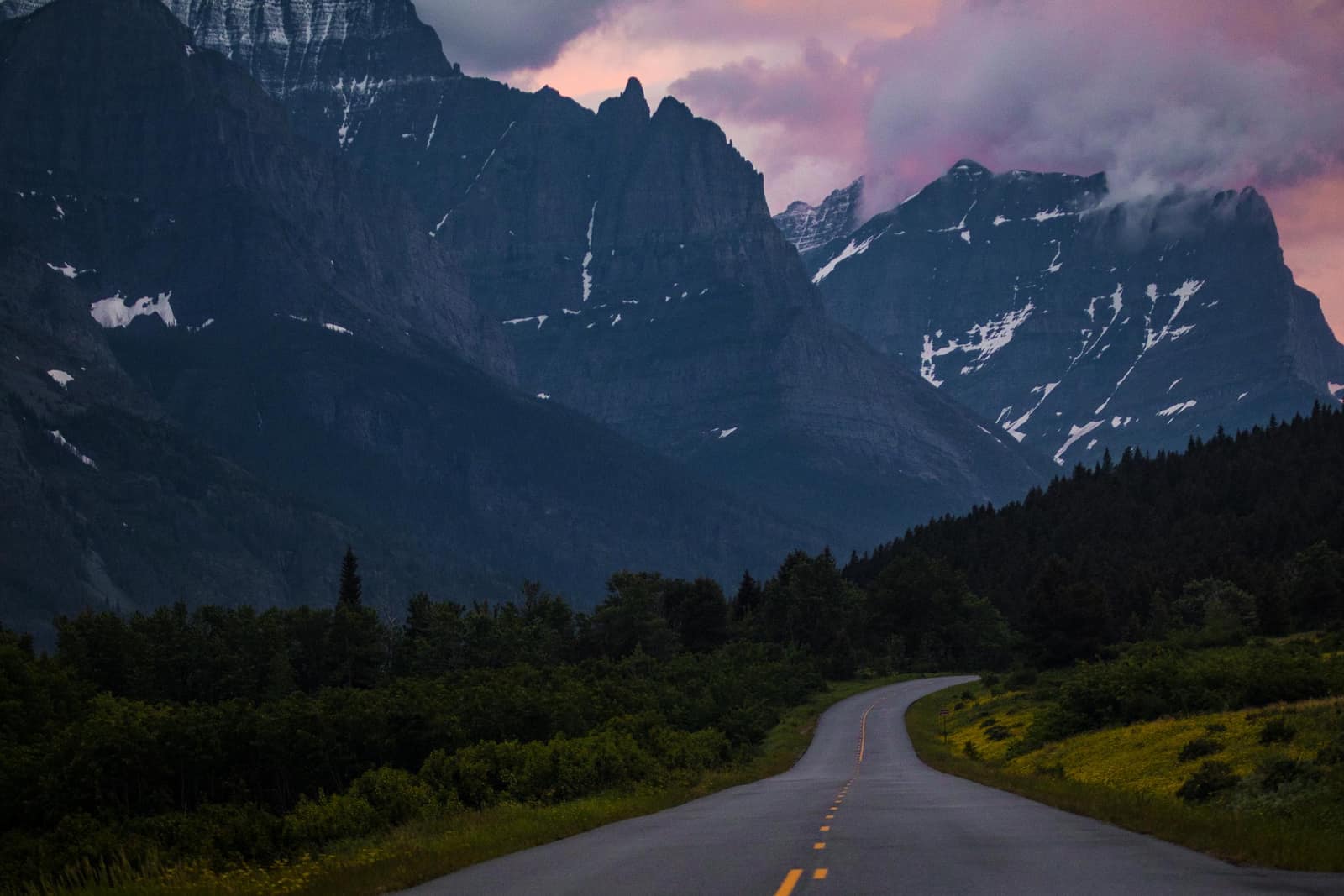
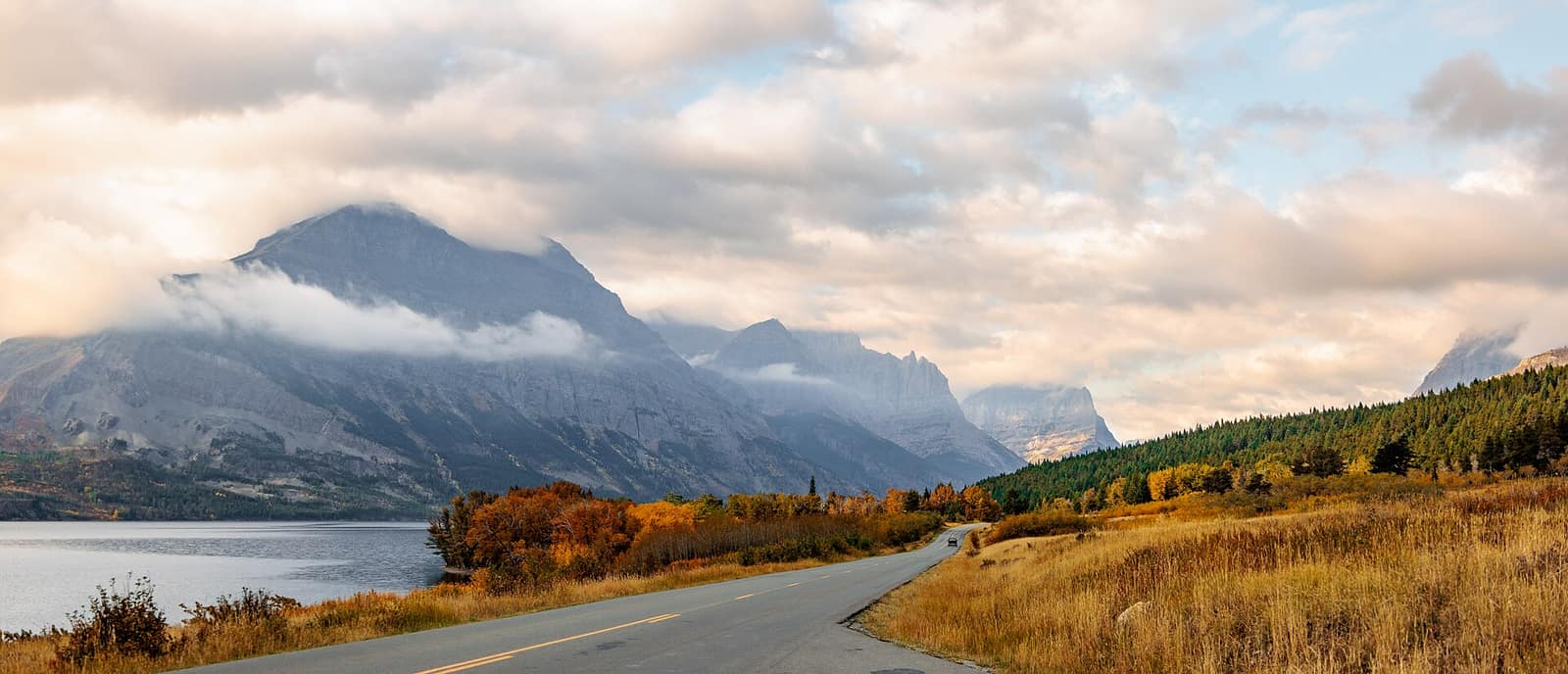
Glacier is the reason a lot of people come to Montana in the first place. The park covers more than 1 million acres in the northwest corner of the state, along the border with Alberta and British Columbia. The Going-to-the-Sun Road is the park’s 50-mile main artery, crossing the Continental Divide at Logan Pass at 6,646 feet. Most visitors base out of Whitefish or Kalispell to the west, or the town of St. Mary to the east.
The road typically opens fully in late June or early July, depending on snowpack from the previous winter. It closes with the first serious snowfall in October. In between, it carries heavy traffic. Glacier uses a timed vehicle reservation system for peak hours on the Going-to-the-Sun Road corridor during summer, and the specific system changes year to year, so check nps.gov/glac before you finalize plans.
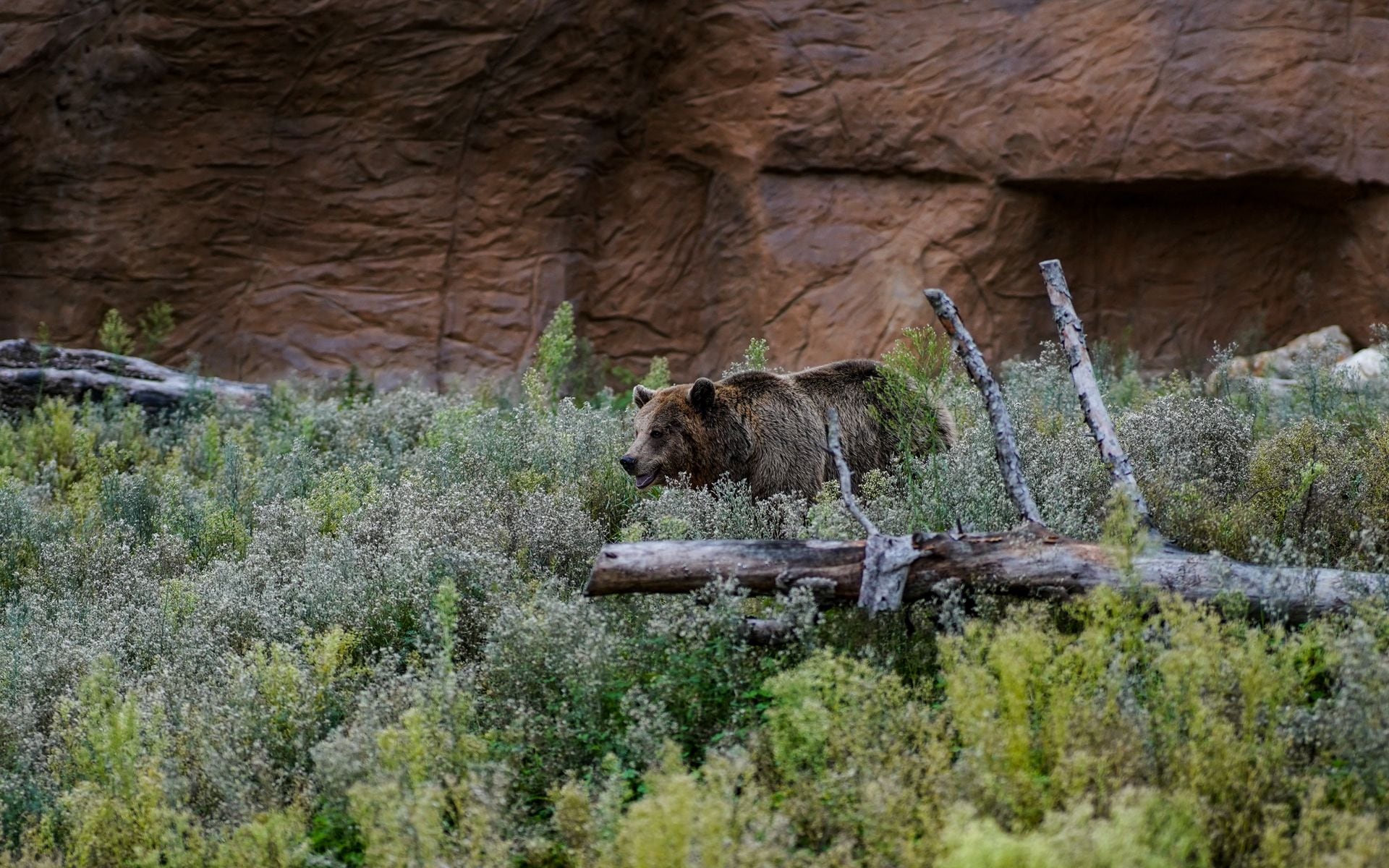
What draws people back is what you’d expect: glacial lakes with that blue-green color, the scale of the peaks from the road, and wildlife that shows up without much effort. Mountain goats range the Logan Pass area. Grizzly bears use the entire park. Hikers who get off the road and onto trail find the crowds thin quickly. The Highline Trail from Logan Pass north and the Grinnell Glacier trail from Many Glacier are two of the most-traveled routes, and both earn their reputations.
From Kalispell, Glacier’s west entrance is about 20 miles and 30 minutes. From Bozeman, plan on 6 to 7 hours depending on your route and stops. See our Glacier Country guide for a deeper look at the whole region.
Yellowstone National Park: Montana’s Southern Gateway
Most people think of Yellowstone as a Wyoming park, and most of it is. But it sits on Montana’s southern border, and three of its five entrances route visitors through Montana towns: Gardiner at the north entrance, West Yellowstone at the west entrance, and Cooke City near the northeast entrance via the Beartooth Highway.
The north entrance at Gardiner is the only one open year-round by road. Gardiner is a functional small town with gas, groceries, and lodging at prices that don’t require booking nine months out. The Lamar Valley, accessible through the northeast entrance, is one of the most reliable wildlife-watching corridors in the lower 48. Bison herds use the valley floor year-round. Wolf packs are active in the area and spotted regularly. For wildlife watching, the Lamar delivers more consistently than almost anywhere else in the continental United States.
Yellowstone does not require timed vehicle entry reservations, but lodging inside the park books months in advance and the main campgrounds fill fast. If you’re planning summer, lock down where you’re sleeping early. Our Yellowstone National Park guide covers which entrance to use and what you’ll find along each route.
Flathead Lake and the Mission Valley
Flathead Lake is the largest natural freshwater lake west of the Mississippi. It’s about 28 miles long and up to 15 miles wide, sitting in the northwest corner of the state between Glacier and Missoula. The west shore runs along the Flathead Indian Reservation. The east shore highway (US-93) passes cherry orchards in season, small marinas, and state park campgrounds.
Polson anchors the south end of the lake. Bigfork sits at the northeast corner, with a short main street, galleries, and a summer theater. The water in July and August reaches swimmable temperatures for a glacial lake, which not all of them do.
North of Flathead Lake, the Mission Mountains rise along the eastern edge of the reservation as a long granite wall above the valley floor. The drive north on US-93 from Missoula to Kalispell runs through this corridor and is one of the better Montana drives that doesn’t get the same attention as Going-to-the-Sun.
Montana Towns Worth Planning Around
Montana’s towns are far apart and most are small, but several are worth anchoring your trip to rather than just driving past.
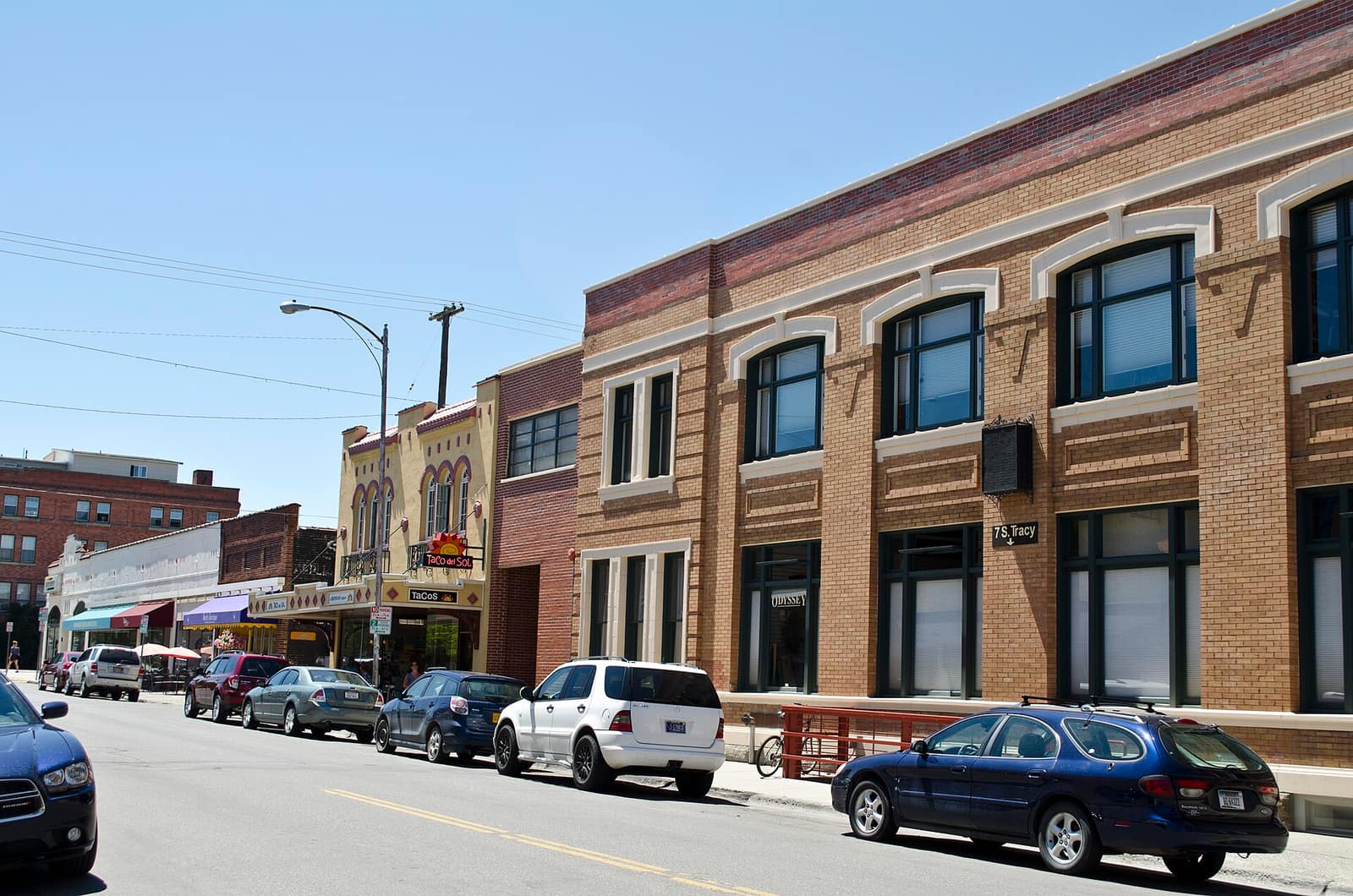
Bozeman is the fastest-growing city in the state and the main hub for Yellowstone’s north country. It has the best-connected airport in Montana (BZN), a real downtown, and enough restaurants, breweries, and outdoor shops that you can spend a full day there without trying. Bridger Bowl ski area is 16 miles from downtown. Big Sky Resort is about 50 miles south on US-191.
Whitefish sits 25 miles north of Kalispell and is the natural base for Glacier’s west side. Whitefish Mountain Resort operates in winter. The downtown has good restaurants and lodging without the manufactured-resort feel. Most people find it a good overnight even in summer when Glacier draws big crowds nearby.
Red Lodge is 60 miles south of Billings on US-212, at the base of the Beartooth Highway. It has a genuine historic main street with local restaurants and a few motels. Fill your tank and eat here before the Beartooth climb, because services disappear fast once you start up.
For a wider view of towns across the state, see our best small towns in Montana guide.
Montana’s Rivers
Montana has three rivers fly anglers know by name before they get off the plane: the Madison, the Gallatin, and the Yellowstone. All three flow north from Yellowstone country through southwest Montana.
The Madison runs about 130 miles from Hebgen Lake to Three Forks, through broad valleys and canyon stretches. The Gallatin carves through Gallatin Canyon south of Bozeman along US-191, a fast-moving river visible from the highway most of the drive. The Yellowstone runs northeast from the park through Paradise Valley before bending east toward Billings.
Under Montana’s stream access law, you can fish and float all navigable rivers, including across private land, as long as you’re on the water or within the high-water mark. You cannot cross private land to reach the river, but this law gives anglers access to far more of these rivers than in most other western states.
The Blackfoot River east of Missoula is smaller and less famous outside Montana, but well known to anyone who has read Norman Maclean. It’s a good float river in May and June when flows are up.
History and Eastern Montana
The eastern two-thirds of Montana opens into wheat fields, badlands, and a history that most visitors miss because they never drive that far east.
The Little Bighorn Battlefield National Monument near Crow Agency is one of the most significant historical sites in the American West. The 1876 battle was fought across rolling prairie terrain that still looks much as it did. The monument is about an hour southeast of Billings on I-90. The National Park Service visitor center provides the full context of the fight from multiple perspectives.
Makoshika State Park near Glendive holds the largest state park in Montana and some of the best exposed badlands in the northern plains. Triceratops and Tyrannosaurus fossils have come out of the formation. It’s genuinely off the main tourist corridor, so the trails are quiet.
Bannack State Park near Dillon is Montana’s best-preserved ghost town. It was the state’s first territorial capital, and dozens of original structures are still standing. It’s open to walk through and worth the detour off I-15 if you’re driving the southwest corridor.
When to Go and How to Plan
The main travel window is late June through early September. That’s when Going-to-the-Sun Road is fully open, river levels drop from spring runoff and fishing improves, and mountain passes are clear of snow.
September is a real alternative. Crowds fall off after Labor Day, lodging prices drop, and the elk rut runs through September into October. The larch in Glacier and the Bob Marshall Wilderness turn gold in late September, though that window closes fast.
Winter concentrates around Big Sky, Whitefish Mountain Resort, Bridger Bowl near Bozeman, and Red Lodge Mountain. These are full ski areas with real terrain, operating from roughly December through March or April depending on snow year.
Renting a car is not optional. Bozeman to Glacier is 6 to 7 hours. Billings to Glacier is most of a day. There is no statewide transit network. Plan your base cities around which parks and regions you prioritize, and build in more drive time than you think you need. For a month-by-month breakdown of conditions, see our best time to visit Montana guide.