What to Expect
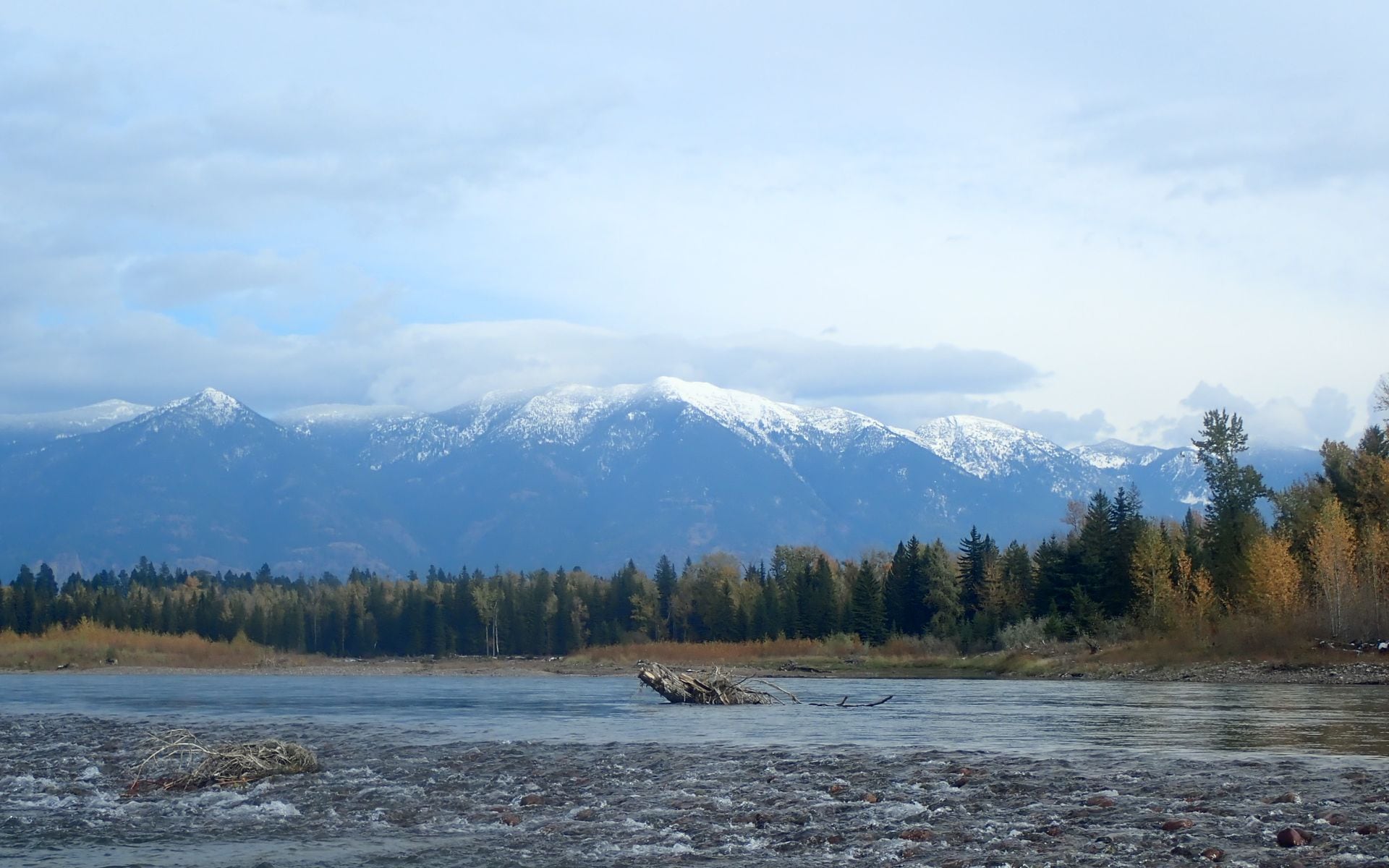
Flathead Lake is big enough to generate its own weather. The main basin drops to 370 feet deep, and on calm mornings the water reflects the Mission Mountains on the east shore so clearly it takes a moment to sort out what is sky and what is lake. The water is cold year-round in the deeper sections and extraordinarily clear, with visibility reaching 20 feet or more in summer, which makes it one of the cleanest large lakes in the country. It sits at roughly 2,800 feet elevation in the Flathead Valley, part of the broader Glacier Country region of northwest Montana.
The towns around the lake are small and spaced out. Polson anchors the south end at the outlet of the Flathead River and is the most practical base if you are driving up from Missoula or flying into Glacier Park International in Kalispell (FCA). Bigfork sits on the northeast shore with a walkable main street, galleries, restaurants, and the Bigfork Summer Playhouse, a professional theater that has been running every summer since 1960. Lakeside and Somers occupy the quieter northwest shore along US-93. One detail that matters for planning: the southern half of the lake lies within the Flathead Indian Reservation, administered by the Confederated Salish and Kootenai Tribes. This affects fishing permits and some recreation access, so it is worth reading the rules before you go rather than sorting it out at the boat launch.
What to Do There
Swimming is the most obvious draw, and Flathead Lake State Park gives you six separate units to choose from around the lake: Big Arm, West Shore, Finley Point, Yellow Bay, Wayfarers, and Wild Horse Island. Wayfarers, near Bigfork, has a sandy beach and tends to be less crowded than the south-end units even in late July when the rest of the valley fills up. Water temperatures in the shallower bays reach 65 to 72 degrees Fahrenheit by mid-July, which is genuinely comfortable for swimming. If you want to be on the water without trailering a boat, kayak and stand-up paddleboard rentals in Bigfork and Polson run roughly $30 to $60 per day.
Wild Horse Island is the standout day trip. At 2,165 acres it is the largest island in any Montana lake, and it is only accessible by water. No ferry runs regular service, so your options are renting a kayak or canoe from the Big Arm or Dayton area on the west shore and paddling over, or hiring a water taxi charter (estimate $50 to $100 per person depending on group size and operator). The island has a small semi-feral horse herd descended from horses pastured there by the Salish people, but the bigger wildlife draw is bighorn sheep, which you will often spot on the rocky hillsides. Mule deer and bald eagles are also reliable. Bring water and your own food; there are no services on the island.
If you are visiting in late July, drive MT-35 along the east shore. The road passes through working cherry orchards, and roadside stands sell Flathead Lake cherries by the pound. The growing conditions along the east shore are specific: long summer days, warm temperatures, and a moderating effect from the cold lake water that reduces overnight temperature swings. The result is unusually large, sweet Bing and Lambert cherries with a regional reputation well beyond Montana. Stands typically charge around $2 to $4 per pound. The harvest runs roughly July 20 through early August, peaking in the last week of July. Buying a bag directly from an orchard stand on MT-35 is a Flathead Valley tradition worth keeping.
Fishing on Flathead Lake requires a Confederated Salish and Kootenai Tribes recreation permit if you are fishing south of the narrows at Polson, in addition to a standard Montana fishing license. Lake trout and bull trout are the primary species; both have specific handling rules. Yellow perch are also present. If you want to explore the best lakes in Montana for fishing beyond Flathead, the Swan Valley and the Bob Marshall Wilderness lakes to the east offer different but excellent fishing.
Getting There and Access
The closest airport is Glacier Park International in Kalispell (FCA), which sits about 30 minutes north of the lake's north shore and roughly 60 miles from Polson at the south end. Major carriers serve FCA with direct flights from Seattle, Salt Lake City, Denver, and Minneapolis. If you need a night near the airport before driving south to the lake, Hampton Inn Kalispell and Homewood Suites by Hilton Kalispell both sit within a few miles of the terminal and are the two highest-rated options in Kalispell. Missoula (MSO) is the second option, about 70 miles south of Polson on US-93, a drive of roughly 1 hour and 15 minutes on well-maintained four-lane highway for most of the way.
Once you are at the lake, a car is the only practical way to get around. US-93 follows the western shore between Polson and Kalispell. MT-35 follows the eastern shore between Polson and Bigfork, passing through the orchards and offering a different view of the lake. The two roads form a loop; Polson to Bigfork is about 40 miles either way, with the western US-93 route being slightly faster. Day-use parking at Flathead Lake State Park units runs around $8 per vehicle. Boat launch fees at park units are typically $10 to $15. If you are pairing this with a trip to Whitefish, that town is about 30 minutes north of the lake's north shore and makes a good base for both the lake and the west side of Glacier National Park.
Best Time to Go
July and August are peak season, and the reasons are specific. Water temperatures in the shallower bays reach the mid-60s to low 70s Fahrenheit by mid-July. The cherry harvest runs late July into early August. Daylight extends past 9 p.m. in July, which gives you long evenings on the water. This is also the most crowded period, particularly around Polson and the south-end campground units, so book state park camping reservations months ahead through Montana State Parks if you want to stay lakeside in summer.
September is a strong alternative. Crowds drop off noticeably after Labor Day, water temperatures stay warm enough to swim into mid-September in the shallower bays, and the orchards shift into fall mode. Early September mornings often produce ideal flatwater conditions for paddling. The lake itself does not freeze over, being too large and deep, but most kayak rental outfitters and some campground units close by mid-October.
Late May and early June are quiet and the fishing can be good, but water temperatures are still in the 50s Fahrenheit, many amenities have not fully opened for the season, and the cherry stands are months away. Spring runoff can also cloud the water slightly.
Good to Know
The Flathead Lake Biological Station, run by the University of Montana, is located on the east shore near Yellow Bay. It has been operating since 1899, making it the oldest inland biological research station in the United States. It is not a tourist facility, but its long-term water-quality monitoring data is part of why Flathead Lake's clarity and ecological health are so well documented. The station occasionally holds public outreach events.
If you are combining Flathead Lake with a Glacier National Park trip, the routing matters. From Polson at the south end, plan about 1.5 hours to reach the west entrance at West Glacier, following US-93 north. From Bigfork on the northeast shore, you can reach West Glacier in about 45 minutes by taking MT-83 north to US-2 west. Glacier Guides and Montana Raft operates out of West Glacier and can add a Flathead River float to your itinerary on the way to the park. Whitefish is about 30 minutes north of the lake's north shore; if you base there, you can visit the lake and Glacier on separate days without long drives between them.
The semi-feral horses on Wild Horse Island are a common point of confusion. They are not truly wild: they are descendants of horses the Salish people kept on the island and are now managed by Montana State Parks. The bighorn sheep on the island, though, have been there naturally for decades and are genuinely wild. Both are worth seeing, but the sheep are the more consistent wildlife sighting, particularly on the rocky south-facing slopes.
Frequently asked questions
Is Flathead Lake good for swimming?
Yes, particularly from mid-July through mid-September. The shallower bays on the east and north shores warm to 65 to 72 degrees Fahrenheit by mid-July, which is comfortable for most swimmers. The water is clear enough to see the bottom in many areas. Public beach access is available at several Flathead Lake State Park units, including Wayfarers near Bigfork and Big Arm on the west shore. Day-use fees run around $8 per vehicle.
How do you get to Wild Horse Island?
Wild Horse Island is a Montana State Park accessible only by water. No ferry or scheduled boat service runs to the island. You can rent a kayak or canoe from outfitters in the Big Arm or Dayton area on the west shore and paddle over (the crossing from Big Arm is roughly 1.5 miles each way), or hire a water taxi charter. Water taxi rates are approximately $50 to $100 per person depending on group size and operator. There is no entry fee once you are on the island, but there are no services either, so bring water and food.
Do you need a special permit to fish Flathead Lake?
It depends on where you are fishing. The southern half of Flathead Lake, below the natural narrows at Polson, falls within the Flathead Indian Reservation. Fishing there requires both a standard Montana fishing license and a Confederated Salish and Kootenai Tribes recreation permit. North of the narrows, a Montana fishing license is sufficient. Tribal permits are available online through the CSKT website and at local sporting goods vendors around the lake.
How far is Flathead Lake from Glacier National Park?
From Polson at the south end of the lake, the west entrance to Glacier at West Glacier is about 55 miles north on US-93, or roughly 1.5 hours of driving. From Bigfork on the northeast shore, you can reach West Glacier in about 45 minutes by heading north on MT-83 to US-2. The lake and Glacier are close enough to combine in a single trip without difficult driving days, which is one of the practical advantages of basing yourself in the Flathead Valley.