Going-to-the-Sun Road crosses 50 miles of Glacier National Park, climbing over Logan Pass at 6,646 feet with alpine scenery that no other paved road in Montana comes close to matching. Here is what you need to know before you drive it: when it opens, how to handle the vehicle restrictions, where to stop, and how to avoid the biggest planning mistakes.
What the Road Is
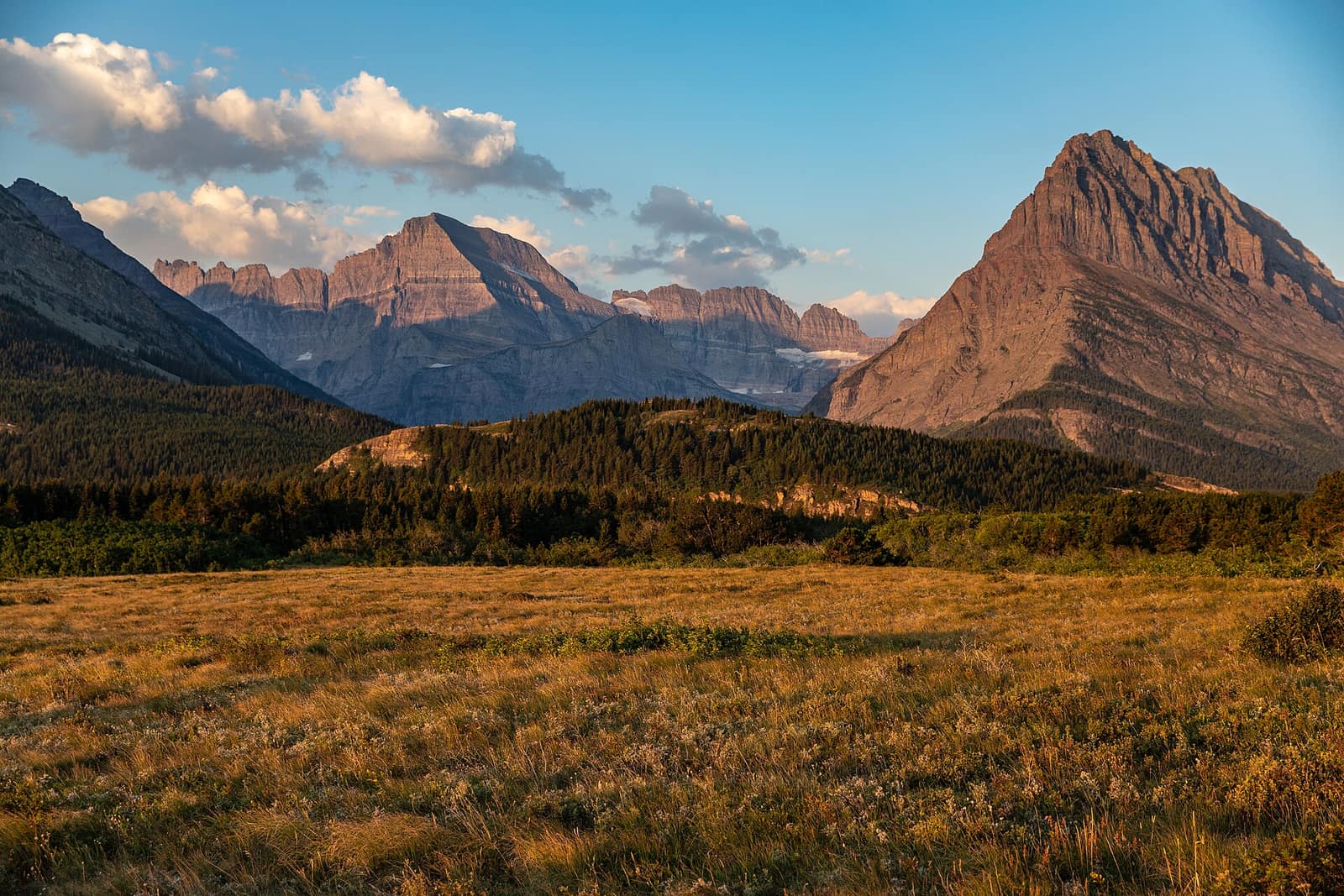
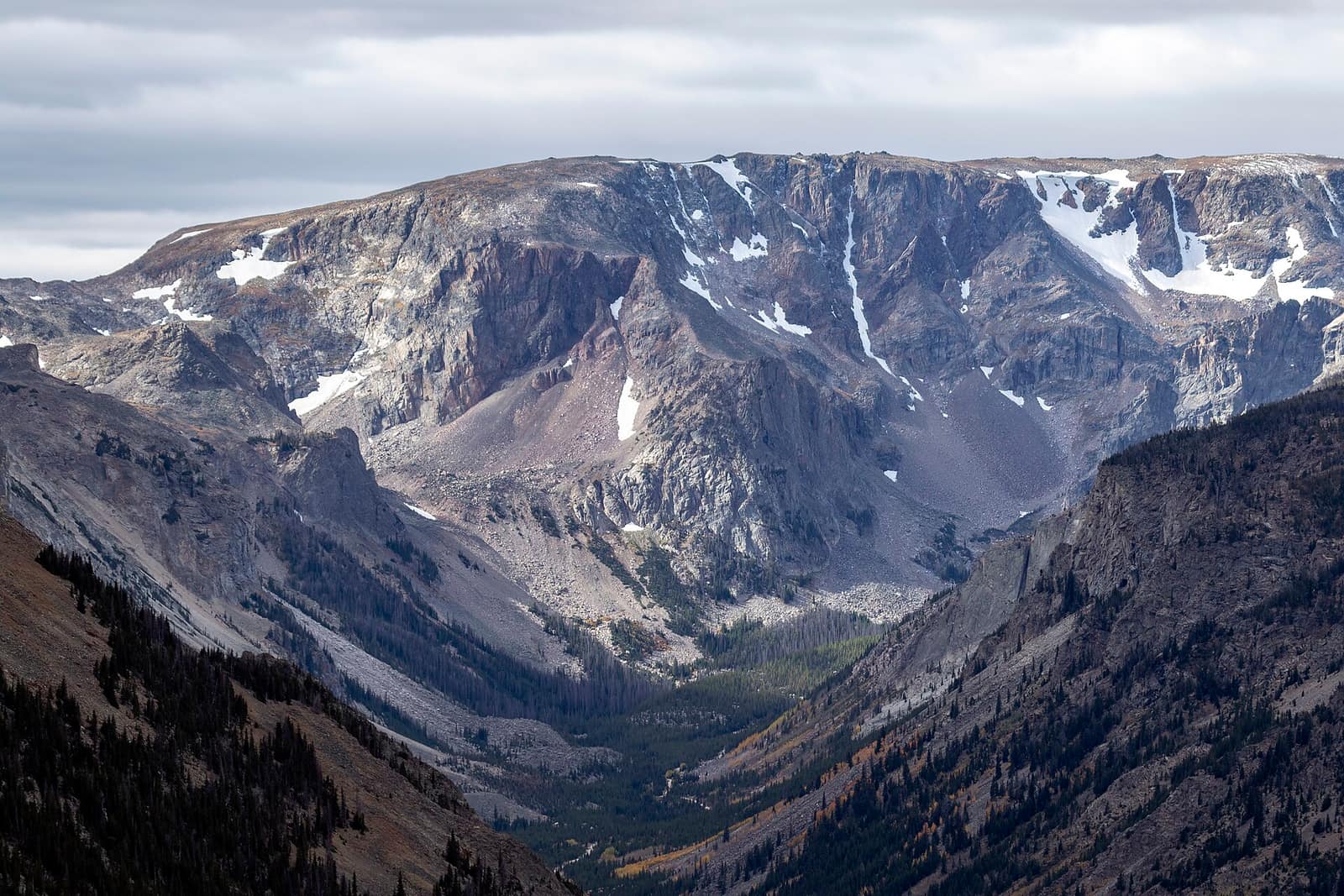
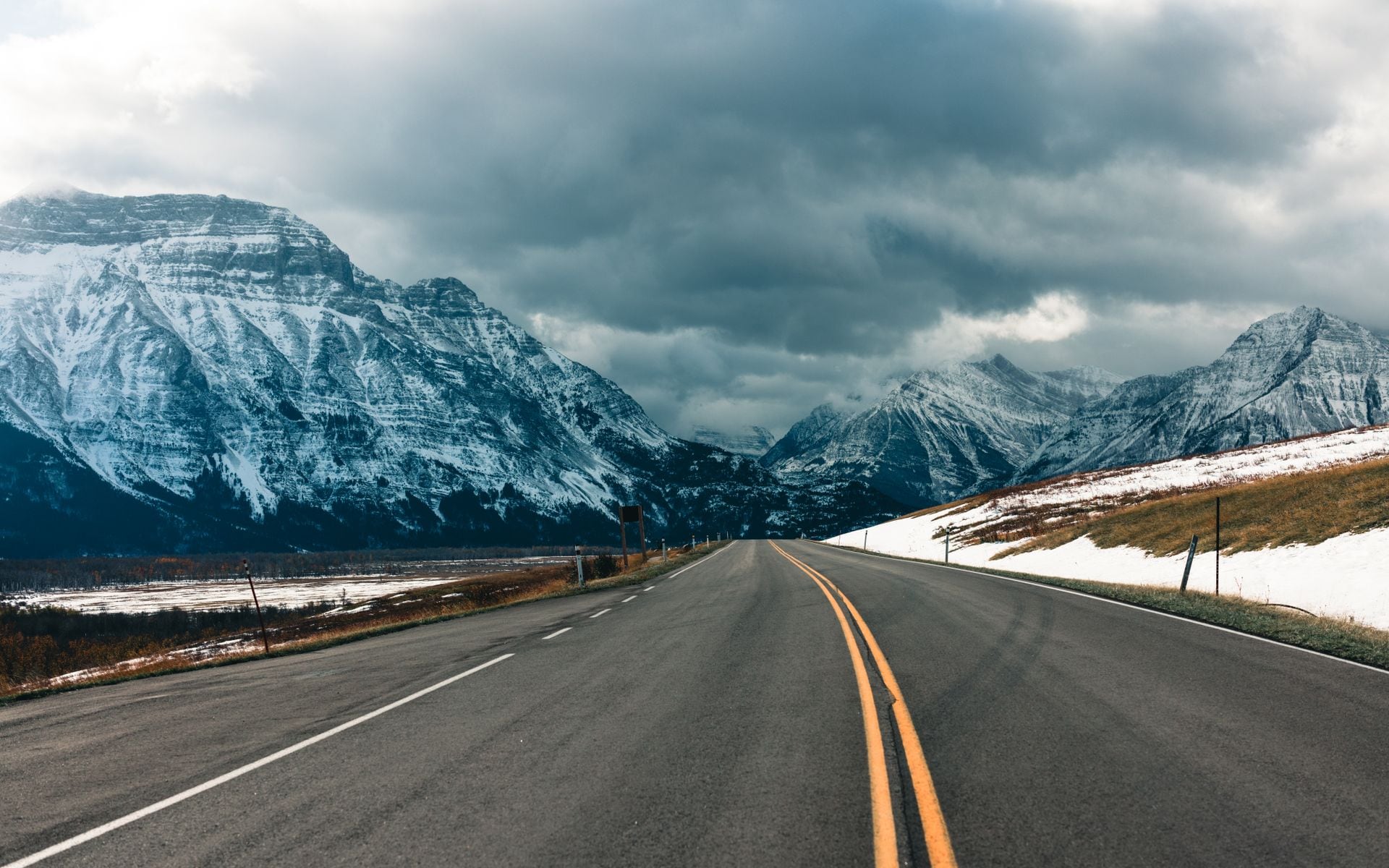
Going-to-the-Sun Road runs the full width of Glacier National Park, connecting the West Glacier entrance on the park’s west side to the St. Mary entrance on the east. End to end, the road covers 50 miles. Every mile covers different terrain. The west side starts mild, following the shore of Lake McDonald through dense cedar and hemlock forest, then switchbacks carry you up into open alpine terrain above treeline. The east side drops down into the St. Mary Valley, where the landscape opens into the windswept prairie of the Blackfeet Nation. Logan Pass, the high point at 6,646 feet, sits in the middle of the route. For reference, Glacier Park International Airport in Kalispell (FCA) is about 35 miles and roughly 40 minutes from the West Glacier entrance.
Without stopping, you can drive the full 50 miles in roughly two hours. Plan at least four to five hours if you want to get out at the main pullouts, and longer if you hike anything along the way. Most people drive it in one direction. If you have time, doing it both ways on separate days shows you how different it feels: the morning light hits the St. Mary side well, while the western slopes look better in the afternoon. Even if you only go one direction, pick the direction that matches when you are starting.
Key Stops Along the Route
On the west side, the first major stop is Lake McDonald, the largest lake in the park at about 10 miles long. It reflects the peaks to the east when calm, and several pullouts along the road give clear views across the water. A few miles further, the Avalanche Creek area has the Trail of the Cedars, a short loop under a mile through old-growth western red cedar and hemlock. It is one of the few trails in the park that is wheelchair accessible. Further up, the road climbs through exposed switchbacks to The Loop, a sharp hairpin turn with parking and a long view back down the valley. Watch for the Weeping Wall just above it, where water cascades directly off the cliff face onto the road in summer.
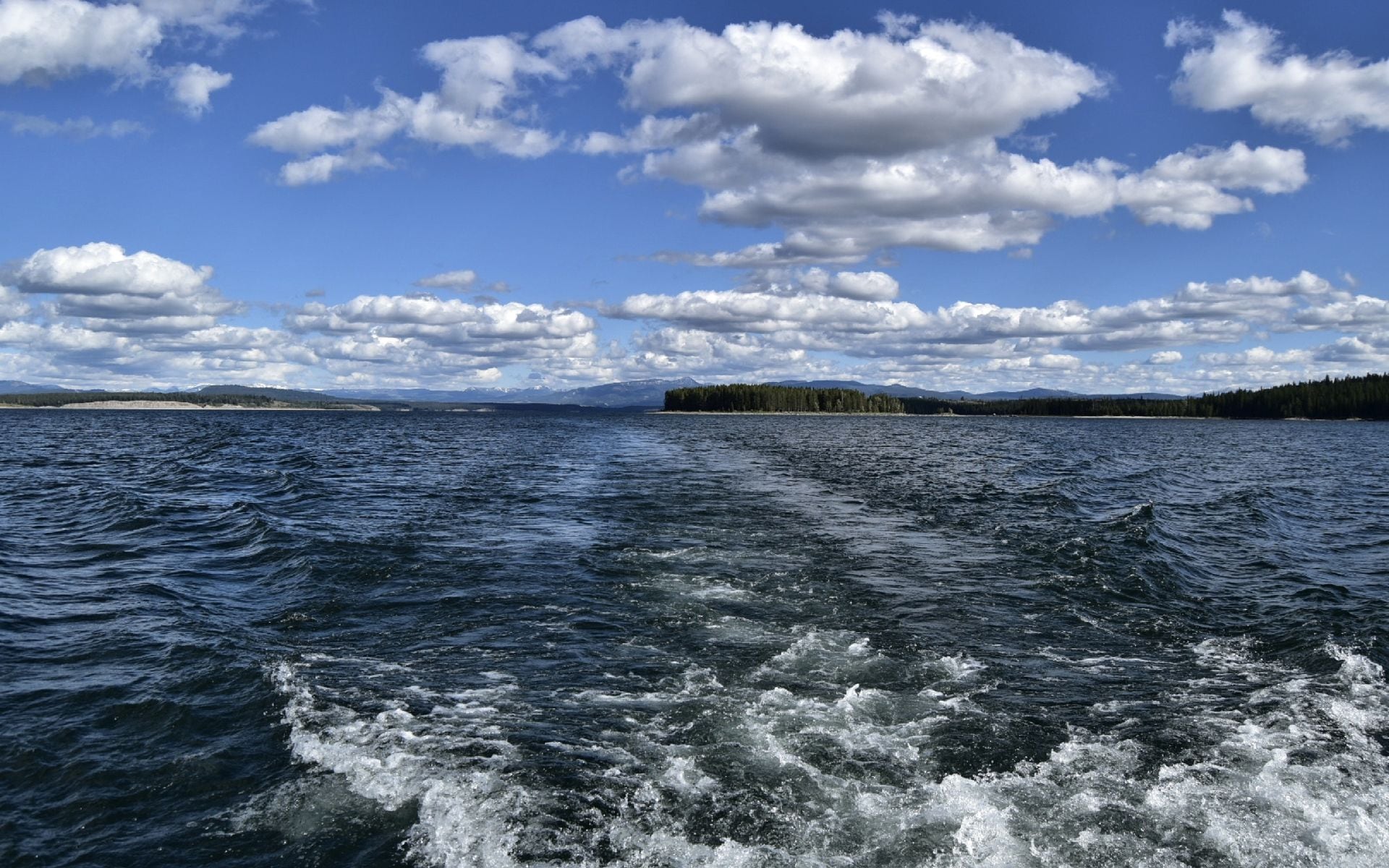
Logan Pass is the centerpiece of the drive. The visitor center sits at the top and there are restrooms, which matter after a long climb. Two of the park’s most-traveled trails start here: the 1.5-mile Hidden Lake Overlook boardwalk (mountain goats are regularly seen near the pass year-round) and the Highline Trail, which follows the Garden Wall ridge for miles with minimal elevation change and views of the road far below. East of Logan Pass, stop at the Jackson Glacier Overlook to see one of the park’s named glaciers still visible from the pavement. Then drop down to Wild Goose Island Overlook on St. Mary Lake, where a tiny island sits in a wide turquoise lake below the peaks, one of the most photographed spots on the entire drive.
Vehicle Restrictions and the Reservation System
The road has firm vehicle size limits through the main alpine corridor, between Avalanche Creek and the Sun Point parking area on the east side. No vehicle wider than 8 feet, including mirrors, and no combination or trailer longer than 21 feet is allowed through this section. This rules out most full-size RVs and truck-and-trailer combinations. If you are towing or driving an oversized rig, park at the Apgar Transit Center near West Glacier or at the St. Mary Visitor Center and ride the free shuttle. Do not try to squeeze through and then have to back down, it has happened, and it shuts down the road for everyone.
Glacier has also used a timed vehicle reservation system for the Going-to-the-Sun Road corridor during peak season, generally mid-June through mid-September. The exact dates and requirements change year to year, so check recreation.gov for the current system before you plan your visit. Reservations typically open months in advance and sell out fast. If you miss the window, the shuttle system (detailed in the next section) lets you access the road without a vehicle reservation during some time windows.
When the Road Opens and Closes
The road opens in stages from both ends, with snowplows working toward Logan Pass from the west starting in April. The full road over Logan Pass typically opens in late June or early July, depending on the winter snowpack. Some years it has opened as early as mid-June; heavy snow years have pushed the full opening past the Fourth of July. The lower portions on both sides open earlier in the season and are driveable weeks before the pass itself clears. Plan your trip after July 1 if you want a high-confidence shot at the full route.
The road closes with the first major autumn snowfall, usually sometime in October, and rarely makes it past mid-October before snow forces a closure over the pass. Late September and early October are worth considering if you want far fewer cars and the chance to see larch trees in the northwest corner of the park turn gold. The crowds are genuinely thinner, the light is better, and you can park at Logan Pass without arriving before dawn. For broader timing guidance across the state, see our best time to visit Montana overview.
The Shuttle System and Why It Often Beats Driving
Glacier runs a free shuttle called the Glacier Visitor Transportation System along Going-to-the-Sun Road from late June through early September. You can park at the Apgar Transit Center near West Glacier or at the St. Mary Visitor Center and ride to any stop on the road, including Logan Pass. Shuttles run frequently enough that most people wait less than 30 minutes at any given stop. This is not a consolation prize, it is often the smarter option. The Logan Pass parking lot fills by 7am on peak summer days, sometimes earlier on busy July weekends. If you park at the bottom and ride up, you can spend as much time at Logan Pass as you want and catch a later shuttle down without any rush.
Red Bus Tours, the historic open-top vehicles operated by Xanterra in the park, offer a guided alternative with narration at each major stop. These need to be booked in advance through the park’s concession system and run roughly $30 to $100 per person depending on the length of the tour. They cover the full road or sections of it, and the open tops allow unobstructed views and photos. Good option if you are traveling with someone who would rather not focus on driving a narrow mountain road.
Bear Safety Along the Road and Trails
Going-to-the-Sun Road runs through active grizzly country. Grizzlies are spotted along the road regularly in spring before the crowds arrive, particularly on the east side near the St. Mary Valley. If you are stopping to hike at any trailhead, Hidden Lake Overlook, the Highline Trail, or anywhere else in the park, carry bear spray and know how to use it before you get out of the car. For details on how to choose, carry, and deploy it, read our post on bear spray in Montana. This is not optional precaution in Glacier; it is standard practice.
The road itself also demands full attention. The alpine section is narrow in places, with no guardrails on some exposed stretches, and meeting a large RV or tour bus in the opposite lane can feel tight in a regular sedan. Take it slow, use designated pullouts rather than stopping on the pavement, and keep children well back from road edges when out of the vehicle.
Where to Base Yourself
The west side of the park is most convenient from Whitefish (about 30 minutes to the West Glacier entrance) or Kalispell (about 40 minutes). Both towns have grocery stores, restaurants, rental cars, and a range of lodging from budget motels to full-service hotels. Whitefish is the better option for a multi-night base if you plan to explore the park thoroughly. Inside the park, campgrounds at Apgar and Fish Creek on the west side and St. Mary on the east fill up fast and need reservations months in advance. Check the NPS reservation system at recreation.gov for availability.
For the east side, the town of St. Mary is a short distance from the entrance, and Browning on the Blackfeet Reservation is about 30 miles further east on US-2. Both are small with limited lodging. Most visitors base on the west side and drive over the pass to the east, then return the same way or arrange a shuttle between the two ends. After a long day on the road, some people drive south about an hour from Kalispell to soak at Quinn’s Hot Springs on the Clark Fork River. If that sounds appealing, our guide to the best Montana hot springs covers the options near Glacier and across the state. The Montana Travel Guide can also help you put lodging, driving routes, and park timing together into a full plan.
Frequently asked questions
Do I need a reservation to drive Going-to-the-Sun Road?
Glacier has used a timed vehicle reservation system for the road during peak season (typically mid-June through mid-September). The rules change year to year. Check recreation.gov well before your trip to see what the current year requires. If you miss the reservation window, the park’s free shuttle system can get you onto the road without one during certain time windows each day.
How long does it take to drive Going-to-the-Sun Road?
The road is 50 miles from end to end. Without stopping, you can drive it in roughly two hours. With stops at Lake McDonald, Trail of the Cedars, The Loop, Logan Pass, and St. Mary Lake, most people spend four to six hours. Add another two to four hours if you plan to hike the Highline Trail or Hidden Lake Overlook from Logan Pass.
What time should I get to Logan Pass?
The Logan Pass parking lot fills by 7am on peak summer days in July and August, sometimes before that on busy weekends. If you want to park at the pass itself, plan to arrive before 7am. The easier option is to park at the Apgar Transit Center near West Glacier and ride the free park shuttle up, that way you can arrive at Logan Pass any time and stay as long as you want.
Can I drive an RV or trailer on Going-to-the-Sun Road?
No. Vehicles wider than 8 feet (including mirrors) and any combination or trailer longer than 21 feet are not permitted through the main alpine corridor between Avalanche Creek and Sun Point. If you are in an oversized vehicle, park at the Apgar Transit Center near West Glacier or the St. Mary Visitor Center and ride the free shuttle. Do not attempt to squeeze through, oversized vehicles that get stuck on the road shut down traffic for hours.
When does Going-to-the-Sun Road open each year?
The full road over Logan Pass typically opens in late June or early July, depending on snowpack. Some years it opens by mid-June; heavy snow years push the opening past July 4. The lower sections near West Glacier and St. Mary open earlier. Plan your trip for after July 1 if you want a reliable shot at the complete route. The road generally closes in October, often before mid-month when snow hits the pass.