If you’re hiking in Glacier, Yellowstone country, or anywhere in Montana’s backcountry wilderness, carry bear spray and know how to use it. This guide covers why it matters, where bears are, how to deploy it correctly, and where to pick up a canister after you land.
The Short Answer
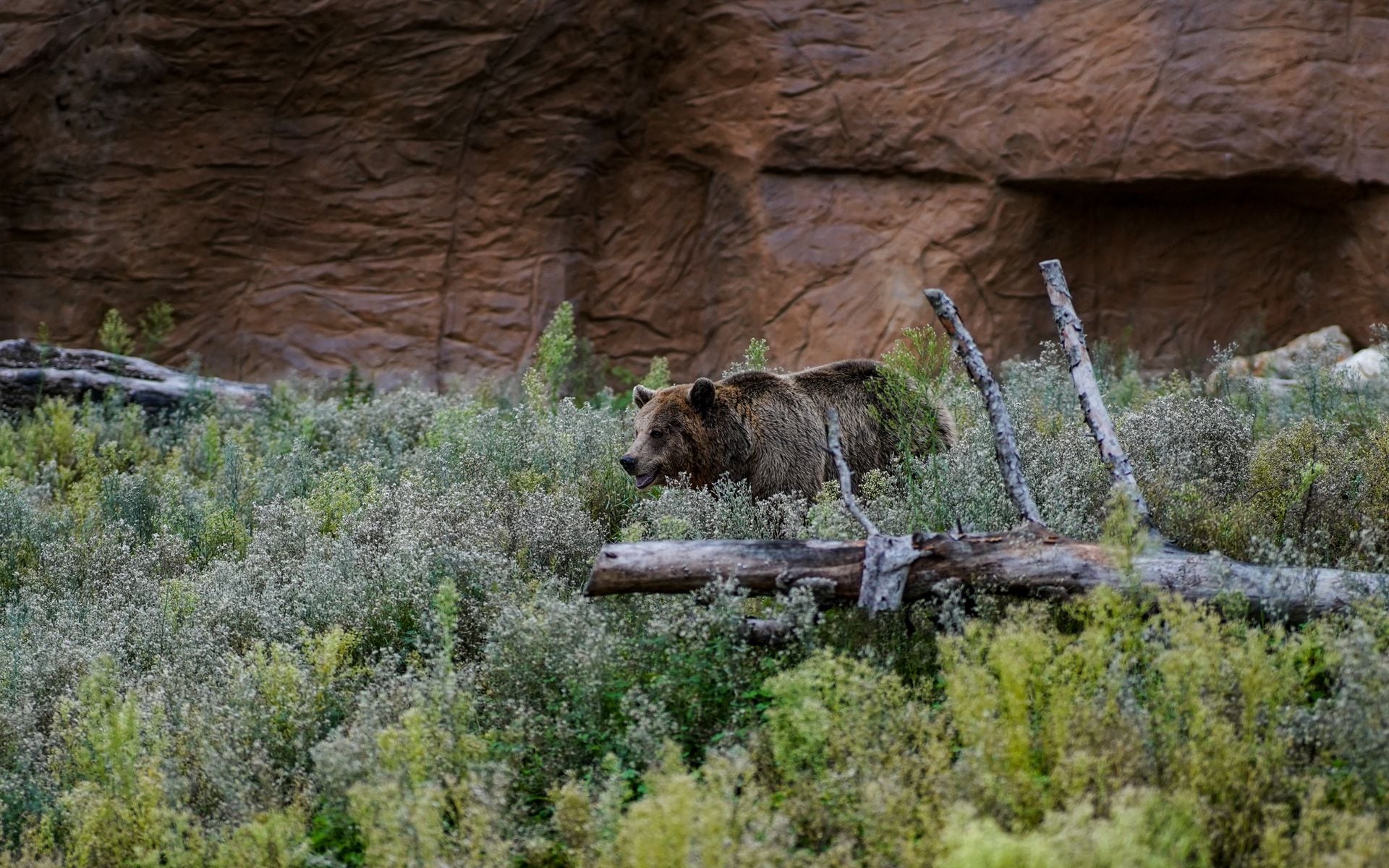
Yes. If you’re hiking in Glacier National Park, the greater Yellowstone backcountry, or anywhere along the Rocky Mountain Front, carry bear spray on your hip, in a holster where you can reach it in two seconds. Montana has one of the densest grizzly bear populations in the contiguous United States, concentrated in two main recovery zones: the Northern Continental Divide Ecosystem (Glacier and the surrounding ranges) and the Greater Yellowstone Ecosystem (Yellowstone and the Gallatin, Absaroka, and Beartooth ranges south of Bozeman). Black bears live across nearly the entire state, including lower-elevation forests well outside those core grizzly zones. For a full overview of Montana trip planning and what to expect around wildlife, the Montana Travel Guide covers the state across all its regions.
Research conducted by U.S. Fish and Wildlife scientists consistently shows bear spray stops aggressive bear encounters more reliably than firearms, with documented success rates around 90 percent in actual field encounters. That is not a close call. The question for Montana travelers isn’t whether to bring it. The question is whether you know how to use it when you need it, because the window between a charge and contact is measured in seconds.
Where Grizzlies and Black Bears Live in Montana
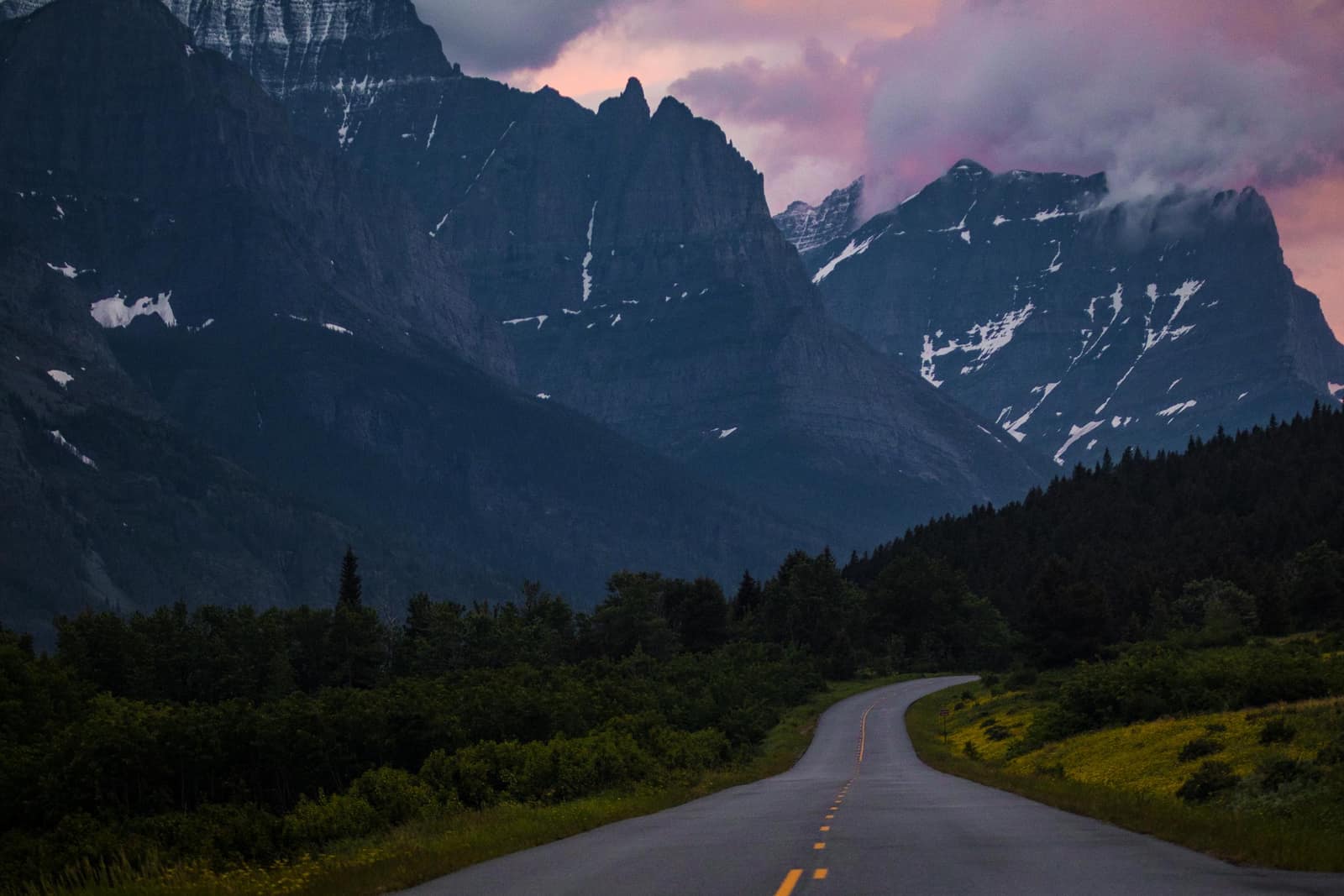
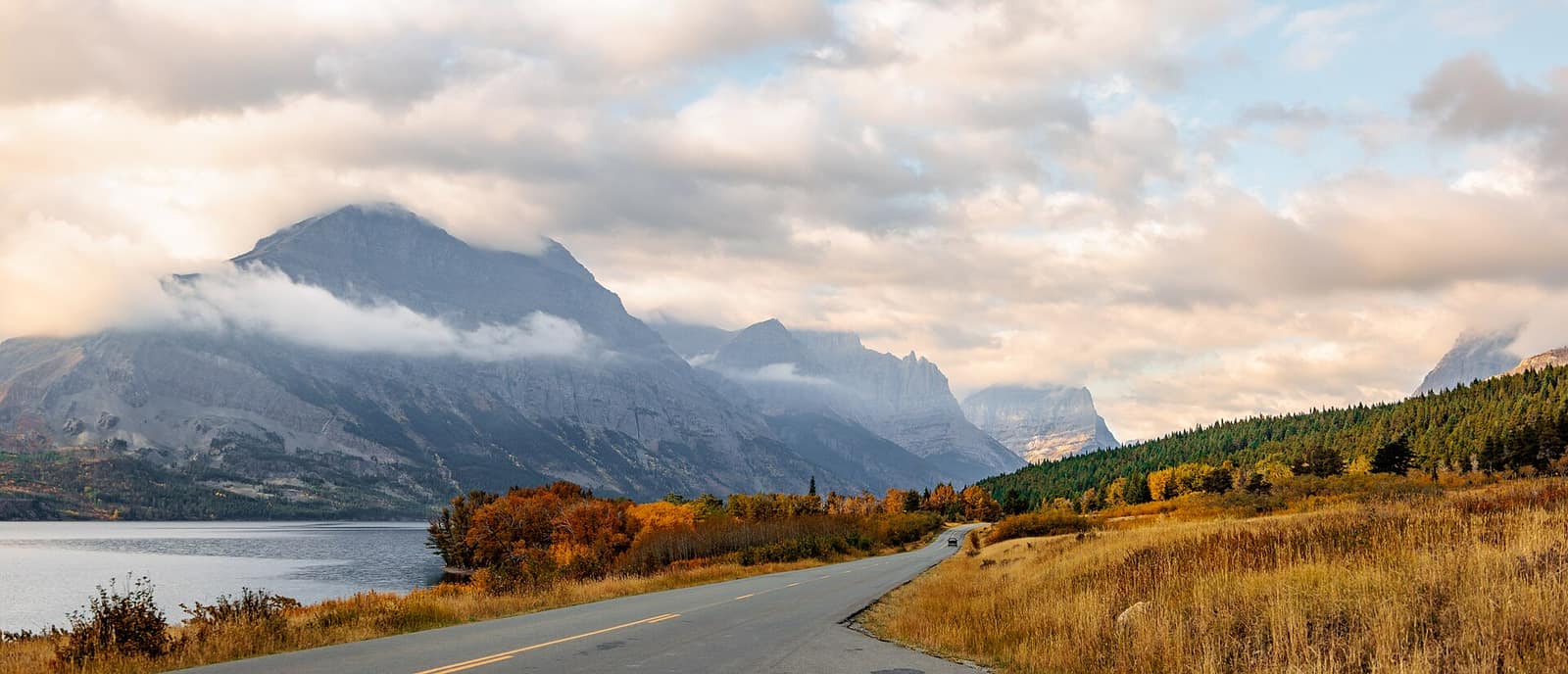
Glacier National Park holds roughly 300 grizzly bears in and around the park boundaries. The trails with the highest bear activity during peak summer months (July and August) include the Highline Trail along the Continental Divide, the Grinnell Glacier Trail in the Many Glacier valley, and the routes around Ptarmigan Tunnel in the northeast section of the park. Outside Glacier, grizzlies range through the Bob Marshall Wilderness, Montana’s largest roadless area sitting just east of Flathead Lake, as well as the Mission Mountains, the Cabinet Mountains, and the Rocky Mountain Front east of Augusta and Choteau. Grizzly range has expanded in recent decades, with confirmed sightings as far east as the Crazy Mountains, about two hours from Bozeman. In Yellowstone Country, grizzlies move through the Gallatin Range, Paradise Valley along the Yellowstone River, and throughout the park’s interior and approaches. Montana holds three of Yellowstone’s five entrances: Gardiner to the north, West Yellowstone to the west, and Cooke City via the remote Northeast Entrance, and all three corridors see bear traffic.
Black bears are found statewide, including in mixed forests around the Flathead Lake area (the largest natural freshwater lake west of the Mississippi), the Bitterroot Valley south of Missoula, and most timbered drainages in western Montana. If you’re planning a summer trip to Flathead Lake, the Flathead Lake summer guide covers what to do there and notes the areas near the shoreline where wildlife is common. The practical takeaway is this: in the western third of Montana and in all national park and wilderness areas, assume you’re in bear country and carry spray accordingly. In the plains and eastern part of the state, the risk drops significantly, but it doesn’t disappear.
How to Carry and Deploy Bear Spray
The single most common mistake is keeping bear spray in a pack where you can’t reach it fast. The canister needs to be on a hip belt holster or chest harness, accessible with one hand while hiking. Before you step onto any backcountry trail, practice removing the safety clip one-handed and lifting the canister to eye level. The motion needs to be automatic, because when a grizzly charges, you will not have time to think through the steps. Holsters sold at outdoor retailers fit most standard canister sizes and cost $10 to $20 (estimate).
When a bear charges and is within 30 to 60 feet (roughly 10 to 20 yards) and moving toward you, aim slightly downward and spray in a sweeping side-to-side arc at the bear’s head level. The cloud hangs in the air and continues working after you stop spraying, so don’t empty the full canister in one burst. If the bear breaks off, hold your position, keep the canister ready, and move away slowly once the bear has cleared. One important point that surprises many first-timers: do not spray your tent, gear, or clothing as a preemptive deterrent. The residue can attract bears rather than repel them. Bear spray is for active encounters, not for treating campsites.
Where to Buy or Rent Bear Spray in Montana
Here’s the detail that catches most visitors off guard: you cannot bring bear spray on a commercial flight in any bag, carry-on or checked. TSA classifies bear spray as a hazardous pressurized irritant, and most major airlines enforce the same prohibition. Plan to buy or rent a canister after you land. If you fly into BZN (Bozeman Yellowstone International), REI in Bozeman carries bear spray year-round. Flying into MSO (Missoula Montana Airport), REI in Missoula has it in stock throughout the hiking season, which runs April through October. Flying into FCA (Glacier Park International in Kalispell), local outdoor shops in Whitefish and Kalispell stock it before the park opens. In West Yellowstone, outfitter shops along Canyon Street sell canisters through September. Gardiner, at Yellowstone’s north entrance, has multiple outfitters on Park Street that carry spray into early November. New canisters typically cost $40 to $60 (estimate).
If you’re only doing a handful of day hikes and don’t want to buy a full canister, rental is worth considering. Several outfitters near Glacier’s west entrance, around the Apgar area and in the town of Columbia Falls, rent canisters for roughly $10 to $15 per day (estimate). Similar rental programs operate in Gardiner near Yellowstone’s north gate. Ask about their return policy before you hike: most require the canister back by end of business the same day. For the full picture on wildlife encounters, food storage protocols, and campsite safety in Montana’s national parks and wilderness areas, the Montana wildlife and bear safety guide covers each scenario in detail. Reading it before you leave home is time well spent.
Bear Safety Beyond the Canister
Bear spray is your last resort, not your primary safety strategy. The habits that reduce the chance you ever need it matter more. Make noise consistently on trail, especially when approaching dense brush, stream crossings, or any terrain where your line of sight drops below 30 feet. Clapping hands and talking loudly works; bear bells are widely considered ineffective. Hiking in groups of three or more reduces encounter risk substantially, and groups of four or more have an essentially clean safety record in documented grizzly encounters in the lower 48 states. Solo hiking in core grizzly country carries a higher risk profile.
For overnight trips in Glacier’s backcountry, the park requires hard-sided bear canisters or park-provided food storage boxes at designated camping areas. Hanging food is no longer considered sufficient here because grizzlies have learned to defeat most hang systems. In Yellowstone’s backcountry, bear boxes are provided at most designated sites. Store everything with a scent, including sunscreen, lip balm, and toothpaste, in bear boxes or canisters every night. Keep 100 yards of distance from bears and wolves, and 25 yards from bison and elk. At Yellowstone, bison injure more visitors per year than bears do in most seasons, so that 25-yard rule applies regardless of how calm the animals appear. Checking the best time to visit Montana is also useful for bear planning, since activity peaks from June through October when seasonal food sources are at their highest. After a long day hiking in bear country, some travelers end the trip with a long soak. If that sounds right, the best Montana hot springs guide has the top options across the state.
Frequently asked questions
Is bear spray required in Glacier National Park?
Bear spray is not legally required in Glacier National Park, but the park strongly recommends that all hikers carry it, and rangers at busy trailheads like Logan Pass and Many Glacier regularly check whether hikers have it and explain how to use it. The Highline Trail, Grinnell Glacier Trail, and most alpine routes in the park run through active grizzly habitat from late June through September. Given the concentration of bears in the park, treating it as required is the practical approach.
Can I bring bear spray on a plane to Montana?
No. TSA prohibits bear spray in both carry-on bags and checked luggage because it’s classified as a pressurized hazardous irritant. Most major airlines enforce the same rule. You’ll need to buy or rent a canister in Montana after you arrive. Fly into BZN, MSO, or FCA and pick one up at an outdoor retailer or outfitter near your trailhead. Don’t assume you can grab it at the airport itself; plan to stop in town first.
How much does bear spray cost in Montana?
A new canister runs $40 to $60 (estimate) at outdoor retailers like REI in Bozeman or Missoula, or at outfitter shops in West Yellowstone, Whitefish, Gardiner, and most towns near Glacier and Yellowstone. Rental options near Glacier’s west entrance and in Gardiner generally run $10 to $15 per day (estimate). Confirm rental return terms before you head out, since most outfitters require the canister back the same day.
What is the difference between bear spray and regular pepper spray?
Bear spray is specifically formulated with a higher concentration of OC (oleoresin capsicum) than personal defense sprays and is designed to discharge a wide cloud up to 30 feet, creating a broad zone of deterrent rather than a narrow stream. Standard personal defense sprays are designed for close-range human encounters and are not an adequate substitute in grizzly country. Use only EPA-registered bear spray products when hiking in Montana’s bear habitat, and make sure the canister hasn’t expired, as OC potency degrades over time.