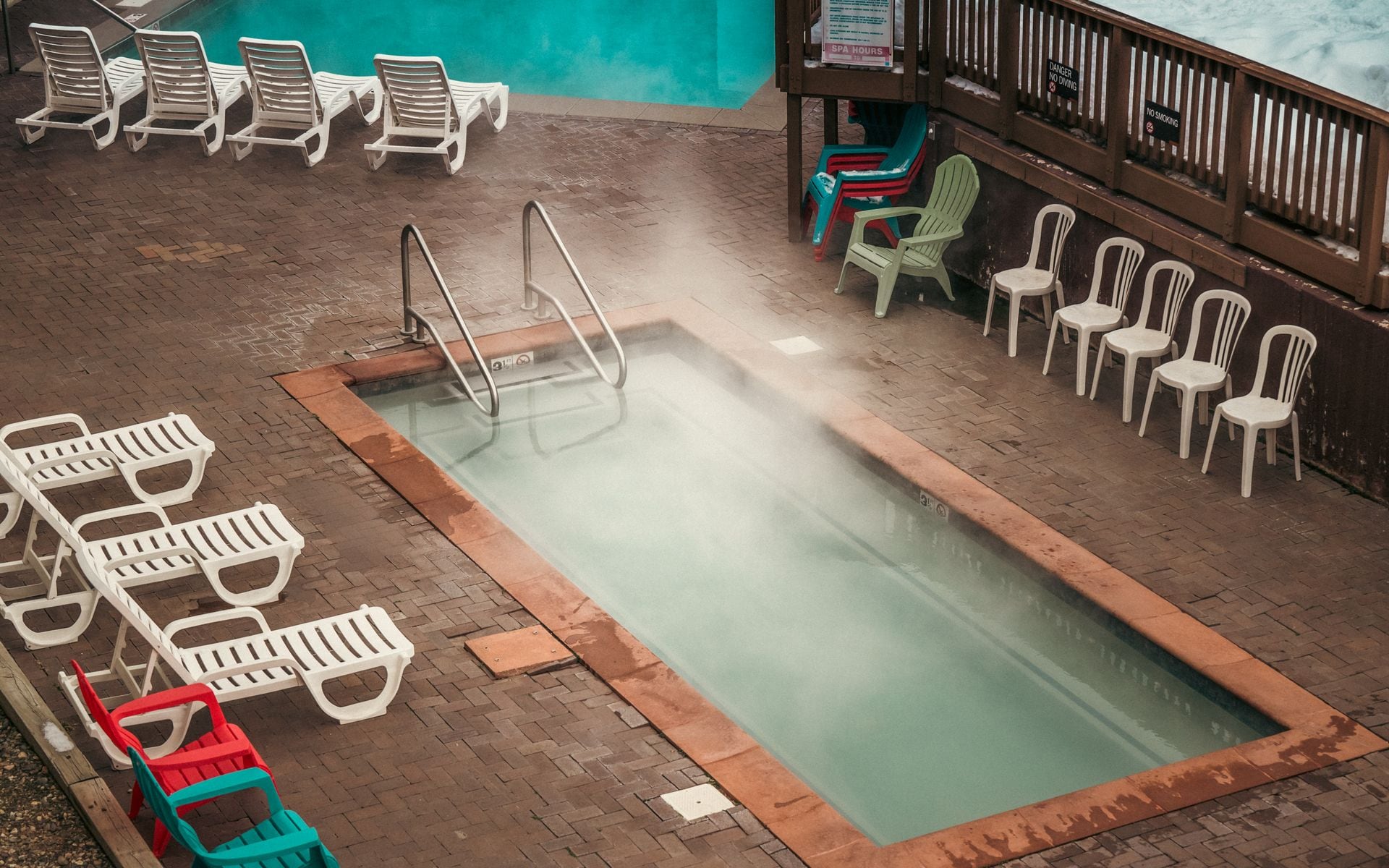
Montana has around 50 geothermal springs scattered across the state, from resort pools in Paradise Valley to rustic setups near the Idaho border. The best ones pair a good soak with mountain scenery and a reason to stick around.
What to Know Before You Go
Most of the hot springs worth visiting in Montana are developed facilities, not roadside wilderness pools. Expect concrete or fiberglass pools, changing rooms, and day-use fees. Water temperatures vary by pool, but most resort-style springs offer a mix of options ranging from about 95°F to 107°F, with gravity-fed or continuous-flow systems keeping the pools fresh. A few smaller spots are more natural in feel. Day-use fees across the state generally run between $8 and $20 per adult (estimated ranges), with children slightly less.
One thing that catches visitors off guard: several popular Montana hot springs introduced timed-entry reservations in recent years after summer weekends got crowded. Check ahead online rather than showing up and hoping for open slots, especially at Chico, Quinn’s, and Bozeman Hot Springs from late June through August. Our full guide to the best hot springs in Montana includes current booking notes for each property. If you want a broader picture of when Montana is easiest to travel, the best time to visit Montana page covers crowd patterns by season.
Chico Hot Springs Resort
Chico is the reference hot spring in Montana. The resort sits in Paradise Valley on Chico Road, about 30 miles south of Livingston via US-89 and then a short east turn toward the Absaroka Range. Two outdoor pools have operated here since 1900: a large soaking pool around 96°F and a smaller, hotter pool closer to 104°F. Day-use fees run roughly $10 to $15 per adult (estimate). Lodging goes from basic rooms in the original 1900 main lodge to newer cabins; expect to pay around $150 to $250 per night (estimate). Reservations on summer weekends are not optional.
The insider detail most travelers miss: Chico has a full-service restaurant that people drive from Bozeman, Livingston, and Billings specifically to eat at, not just guests staying on property. It has operated continuously for decades and has a serious local reputation. If you are routing through Paradise Valley, time your day around arriving here for dinner and staying for the pools. The combination of the Absaroka ridgeline above you, a hot pool, and a good meal afterward is hard to beat anywhere in the state.
Norris Hot Springs
Norris sits in Madison County about 40 miles south of Bozeman via MT-84, in the small community of Norris. One large outdoor pool, fed by a natural spring, surrounded by wooden decking. Day use is around $8 to $10 per adult (estimate). The pool itself is low-tech, the facilities are simple, and that is the point. On weekday mornings in the shoulder season, you can have it nearly to yourself.
On Friday and Saturday evenings from late spring through early fall, Norris hosts live music beside the pool. It becomes an outdoor concert with soaking, and locals drive out from Bozeman, Ennis, and Twin Bridges for it. If you want that experience, arrive at least an hour before the music starts to get deck space. It fills quickly and there is no reserved seating.
Quinn’s Hot Springs Resort
Quinn’s sits on MT-135 along the Clark Fork River near the community of Paradise, about 60 miles northwest of Missoula and roughly 30 miles east of Thompson Falls. Multiple pools at different temperatures, ranging from about 95°F to 106°F, let you move between them depending on how much heat you want. Lodging options include cabins and motel-style rooms from approximately $150 to $275 per night (estimate). Day-use fees run around $15 to $20 per adult (estimate), and weekend reservations book out well ahead in summer.
The Clark Fork setting is legitimately good. If you are driving US-2 or MT-200 across western Montana, Quinn’s works as an overnight stop or a midday break. It is also far enough from Glacier and Yellowstone that it sees fewer destination tourists and more regional visitors, which keeps the atmosphere grounded.
Bozeman Hot Springs
Located on US-191 about five miles west of downtown Bozeman, this is the most practical hot spring for travelers based in Yellowstone Country. Multiple indoor and outdoor pools, a cold plunge, saunas, and a fitness center. Day use runs around $15 to $18 per adult (estimate). It functions more like a community recreation facility than a destination resort, which means lower prices and an unpretentious crowd. Extended daily hours make it workable as an evening stop after a long day in Yellowstone or on the Gallatin Canyon trails. No reservations required for most visits, but summer weekend peak hours can fill the pools.
Lolo Hot Springs
On US-12 at Lolo Pass, about 36 miles west of Missoula. Lolo Hot Springs is a natural stop if you are driving the Lewis and Clark route over the pass into Idaho. The facility has both an outdoor pool and an indoor pool, a bar, and basic lodging. Day use is around $10 to $12 per adult (estimate).
The outdoor pool gets creek-water infusions that moderate the temperature, so it stays more comfortable than many Montana springs on a hot afternoon. The setting on the pass, with forested ridges above, is the main draw. Facilities are simple and the vibe is casual. If your itinerary runs through western Montana in summer, pair a stop here with a look at the Flathead Lake summer guide for other stops in the region.
Elkhorn Hot Springs
Elkhorn is in the Big Hole country of southwest Montana, south of Polaris and about 35 miles southwest of Dillon via MT-278 and a dirt access road. Two outdoor pools at different temperatures, rustic cabins for overnight stays, and an elevation of around 7,000 feet. Day use runs roughly $7 to $10 per adult (estimate). This is the remote option on this list.
Because it takes effort to reach, Elkhorn rarely gets crowded outside of summer holiday weekends. If you are already traveling the Big Hole Valley, visiting Bannack State Park nearby, or just want to be somewhere that feels genuinely off the main circuit, Elkhorn is worth the extra miles. Check the access road conditions before going in spring, when mud can make the last stretch a problem. Traveling Montana in snow season? The Montana in winter guide covers road conditions and what to expect in the mountain regions.
When to Plan Your Soak
The shoulder seasons, specifically May and September through early October, are the practical sweet spot for most Montana hot springs. Summer crowds peak in July and August, when popular spots like Chico and Quinn’s fill their weekend reservation windows weeks out. Fall brings cooler air temperatures that make the contrast between a 103°F pool and the surrounding mountain air feel exactly right. The larch trees in the Swan Valley and Whitefish Range turn gold in late September, adding scenery to the experience if you are planning a hot-spring loop through the northwest.
Winter is a legitimate season for soaking. Sitting in a pool at 100°F while snow falls into the steam around you is a genuine Montana experience, and most developed facilities stay open year-round. Spring is the one tricky window: runoff mud can close or complicate dirt-road access to places like Elkhorn from mid-March through April, and a few smaller facilities reduce hours. For a full Montana travel planning view, see the Montana travel guide.
Frequently asked questions
Do you need to book ahead at Montana hot springs?
It depends on the spring and the season. Chico Hot Springs, Quinn’s Hot Springs Resort, and Bozeman Hot Springs all benefit from advance reservations on summer weekends, and some require them. Smaller or more remote spots like Norris Hot Springs and Elkhorn Hot Springs are usually first-come, first-served, though Norris fills on Friday and Saturday evenings when live music is scheduled. Check each property’s website before going, especially from late June through August.
Are Montana hot springs kid-friendly?
Most are, with some conditions. Chico Hot Springs has a large cooler pool (around 96°F) that works well for families. Bozeman Hot Springs has a range of pool temperatures and a dedicated kids area. Norris Hot Springs is a single natural pool that runs warmer, so younger children need supervision. At any spring, pools above about 103°F are not appropriate for small children or pregnant visitors. Age restrictions vary by facility, so check ahead if you are traveling with infants.
Which Montana hot spring is closest to Glacier National Park?
Quinn’s Hot Springs Resort near Paradise is the closest option in the northwest, about 90 miles south of Whitefish via MT-135 and US-2. Lolo Hot Springs near Missoula is another western option, roughly two to two-and-a-half hours from the west entrance to Glacier at Apgar. There is no major hot spring within 60 miles of Glacier itself. If you want to combine Glacier with hot springs, plan it as a circuit through western Montana rather than a short side trip.
What should I bring to a Montana hot spring?
A swimsuit, flip-flops or sandals for the pool deck, a towel (some facilities rent towels but do not provide them free), and a water bottle. Drinking water at the pool keeps you hydrated in the heat. Most facilities have changing rooms. If you are visiting Elkhorn or Lolo in shoulder season, bring a layer for after your soak since air temps at elevation can drop fast, especially after sunset.