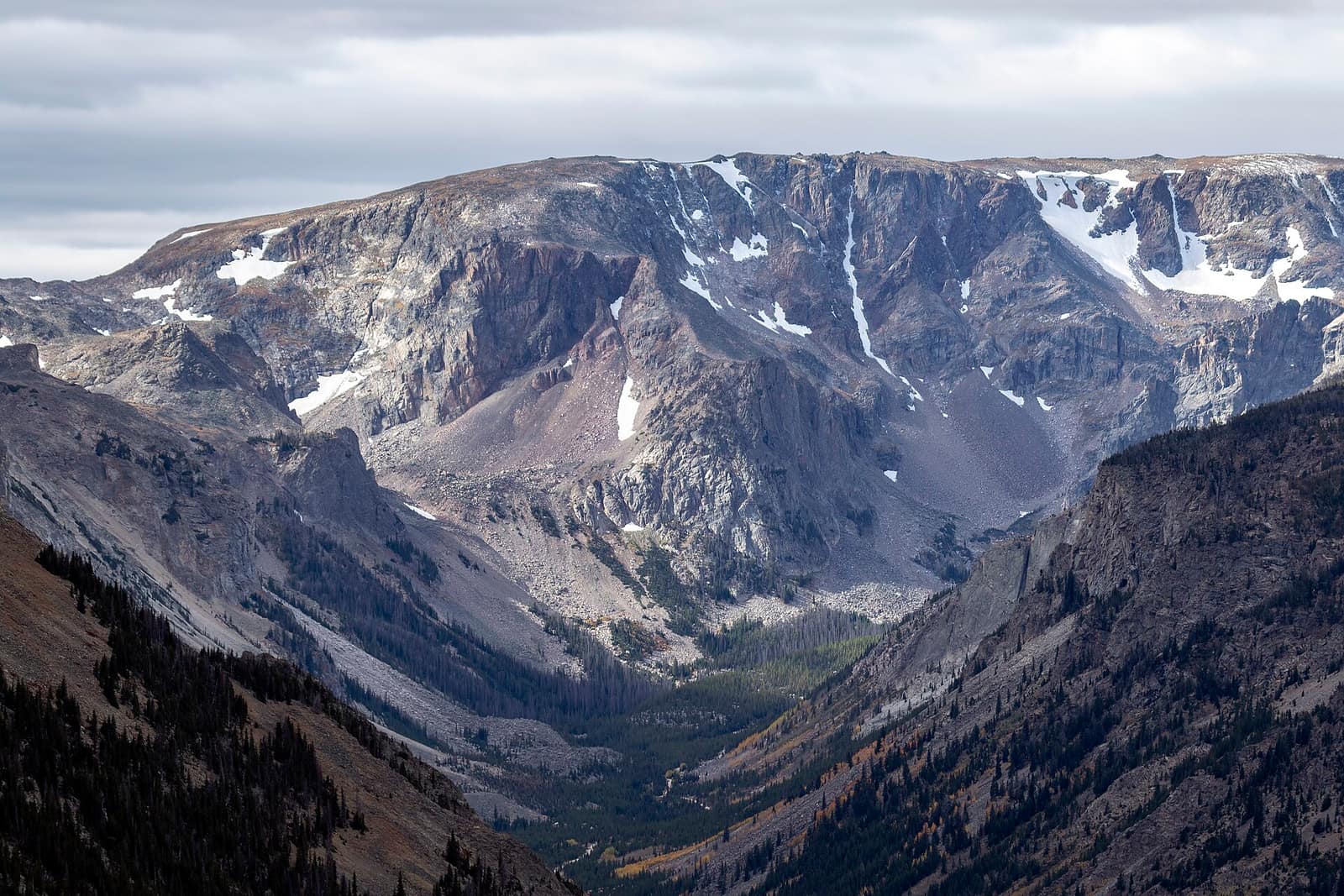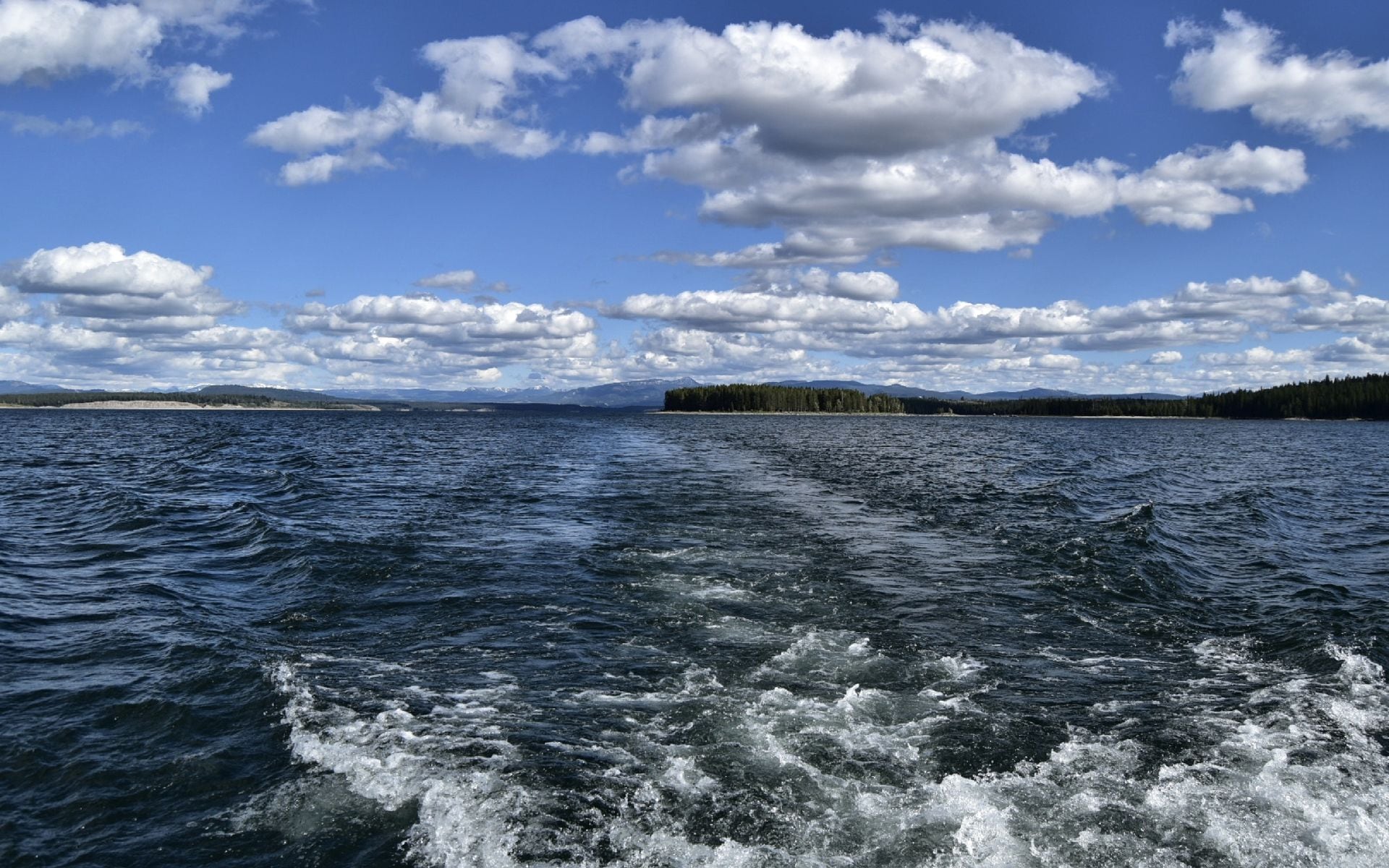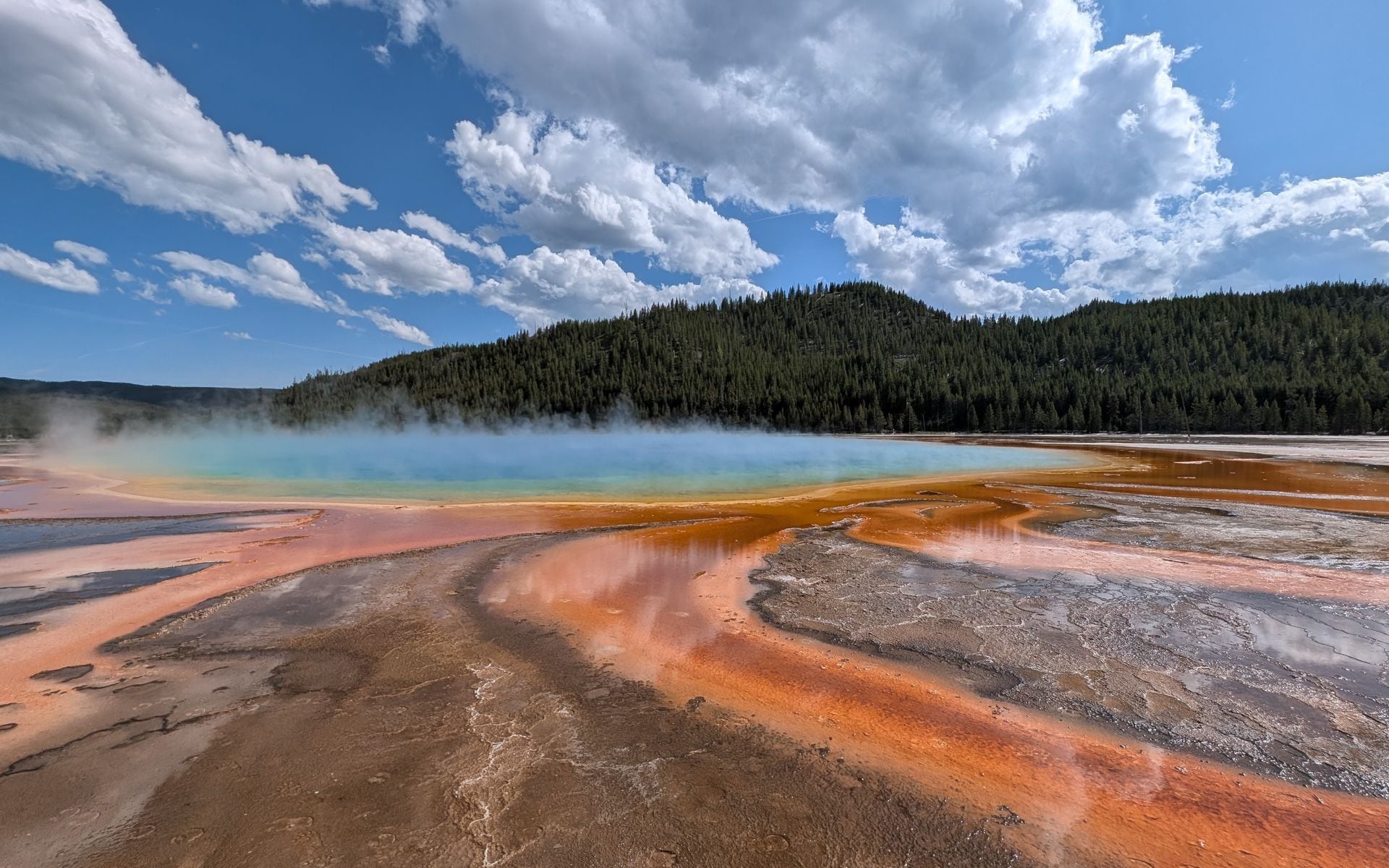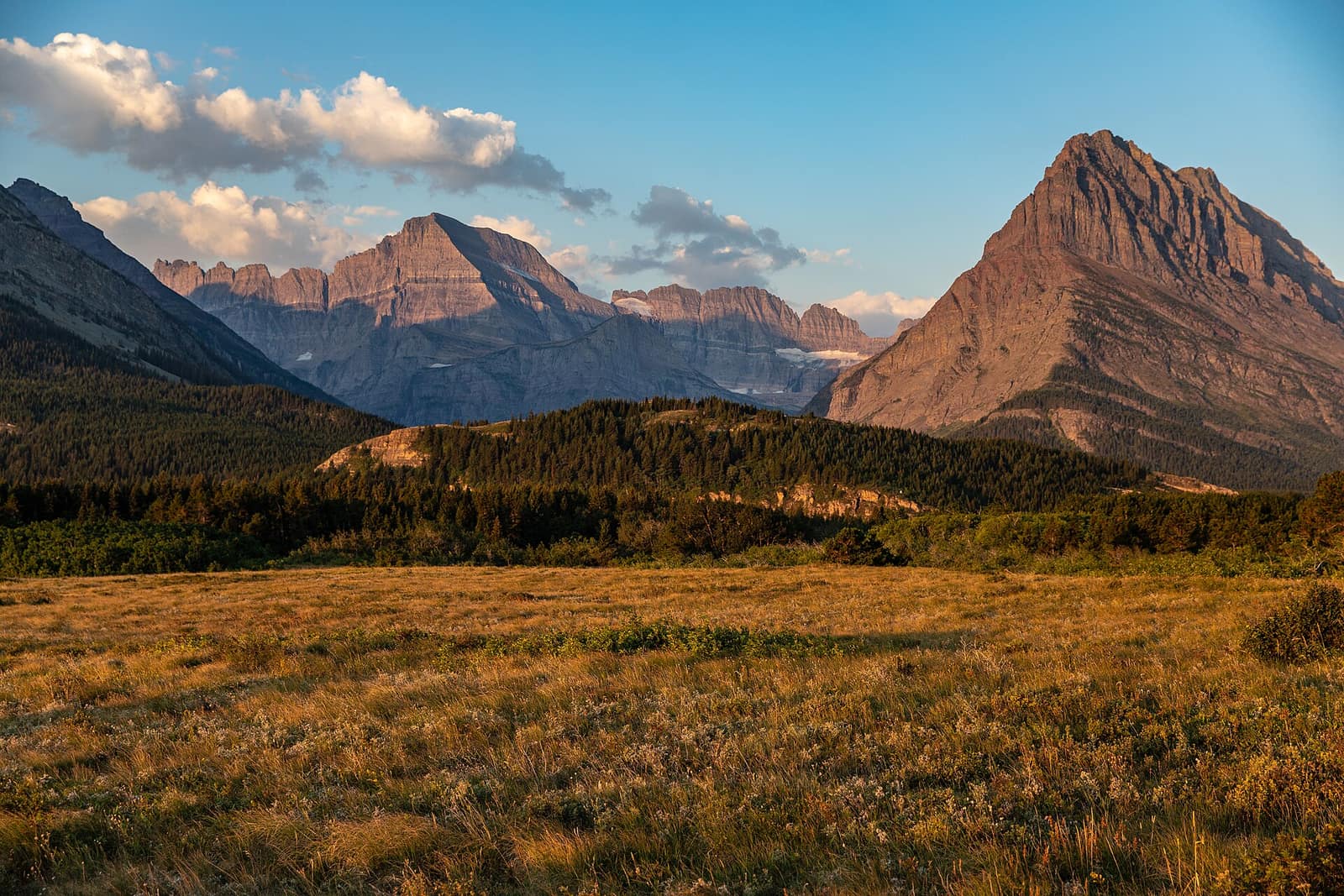
Camping in Glacier National Park puts you inside the park instead of commuting in from Whitefish or Kalispell each morning. That matters more here than at most parks: the distances are real, the campgrounds fill months before the season opens, and the sites closest to the major trailheads book out first. If you’re planning a Glacier National Park camping trip, the decisions you make six months before you arrive will shape what the trip looks like. Here is what you need to know.
How Campground Reservations Work in Glacier
Most of Glacier’s frontcountry campgrounds run on an advance reservation system through recreation.gov. Reservations typically open in mid-February for the upcoming summer season, and the most popular campgrounds (Many Glacier, Fish Creek, and Apgar) fill within minutes of the booking window opening. If you are aiming for July or August, set an alarm for the day the window opens.
A share of sites at each campground are held as walk-up sites, available on a first-come, first-served basis the morning of arrival. The ratio changes by campground, and the practice of arriving before dawn to queue for walk-up sites is real. For major campgrounds in peak season, people start showing up by 6 a.m. or earlier for sites that open at 7 a.m. or 8 a.m. If your trip dates are flexible, the walk-up approach works in shoulder season, September in particular, when demand drops off noticeably.
Check the park reservations and permits page for the current year’s system before you book. Glacier has adjusted its reservation approach year to year, and what was true two seasons ago may not reflect exactly how the current system works.
The Main Campgrounds and What Each One Is Like
Glacier has about 13 frontcountry campgrounds spread across the park. The major ones to know:
Many Glacier is the one most campers want. It sits in the northeast section of the park in the Many Glacier Valley, with Grinnell Point and the surrounding peaks visible from camp. The valley is one of the park’s best wildlife corridors, and early-morning sightings of bear, moose, and mountain goats near the campground are not unusual. This campground fills fastest. It sits about 12 miles west of the Babb entrance on Many Glacier Road, which is a separate road from Going-to-the-Sun Road, so plan your driving time accordingly.
Apgar is near the West Glacier entrance, on the southern end of Lake McDonald. It is the largest campground in the park and the most accessible from US-2. If you are driving in from Kalispell or Whitefish and do not want to commit to a long first drive inside the park, Apgar is the practical starting point. The tradeoff is distance: you are not close to the east-side trailheads, and Logan Pass is a long drive up Going-to-the-Sun Road from here.
Fish Creek sits adjacent to Apgar but on the west shore of Lake McDonald, in heavier timber. It is a large campground, slightly quieter than Apgar, and a good option for families who want shade and lake access without being right on the main entrance corridor.
St. Mary anchors the east entrance. If your main interest is the east side of the park (Logan Pass, Grinnell Glacier, Two Medicine), staying at St. Mary puts you in position for early starts. The campground is large and exposed compared to the forested west-side options. The town of St. Mary is right outside the entrance with gas, groceries, and basic supplies.
Avalanche sits on the Going-to-the-Sun Road corridor, roughly 16 miles from West Glacier. The cedar and hemlock forest here is the thickest in the park, and the Trail of the Cedars, a flat, accessible boardwalk through old-growth forest, begins at the campground. This is one of the better base camps for road-corridor hikes.
Two Medicine is in the park’s quieter southeastern corner, a 10-mile drive from East Glacier Park. It has a boat launch on Two Medicine Lake and a ranger station. Crowds are lighter here than at Many Glacier or Going-to-the-Sun Road, and the hiking is genuinely good. If you want Glacier without the peak-summer crush, this section is worth considering.
Sprague Creek is a small campground on the east shore of Lake McDonald, reserved for tent campers and hard-sided vehicles only: no towed units. Sites are close to the water and fill fast. The setting is one of the better lakefront spots in the park.
Backcountry Camping in Glacier
Glacier’s backcountry permit system is separate from frontcountry reservations. You need a permit for any overnight stay at a designated backcountry campsite, and the park issues a limited number of permits per site per night.
Advance backcountry permits go through a lottery that typically opens in mid-March. You submit your preferred itinerary, the park draws randomly, and if selected you pay and confirm. Remaining permits are released on a rolling basis starting in mid-May, and walk-up permits become available at visitor centers 24 hours before the first night of travel.
Walk-up permits are a real option. If you have schedule flexibility, arriving at the Apgar or St. Mary visitor center first thing in the morning in late June or early July gives you a reasonable shot at permits for campgrounds that heavy-traffic routes do not hit directly. The famous routes (Highline Trail, the Gunsight Pass traverse, Ptarmigan Tunnel) are harder. Less-traveled drainages on the park’s south boundary tend to have permit availability well into the season.
The Glacier NPS website has the current permit calendar. Rules and opening dates have shifted in recent years, so confirm the specifics for the year you are planning.
Bears and Food Storage: The Rules That Matter
Glacier is grizzly and black bear country, and the park enforces food storage rules at every campground and in the backcountry. All food, trash, and scented items must be stored in a hard-sided vehicle, a food storage locker (provided at frontcountry campgrounds), or a bear-resistant container when not in active use. You do not leave a bag of trail mix on the picnic table while you walk to the restroom.
In the backcountry, bear canisters or approved hang systems are required. Designated backcountry campsites separate the food preparation and hanging areas from sleeping areas by design, and the park requires you to use them.
Bear spray is standard equipment for anyone hiking in Glacier. Carry it accessible: clipped to a hip belt or holster, not buried in your pack. The park recommends 100 yards of distance from bears and wolves, 25 yards from bison, elk, and moose. These are not suggestions. Glacier has had serious bear incidents, and the regulations exist for a reason.
See our guide on wildlife and bear safety for what to carry and how to respond if you encounter a bear on the trail.
When to Go: Seasons, Timing, and Road Access
The camping season in Glacier runs roughly late May through mid-September, though the exact window varies by campground. Apgar and St. Mary open earlier in the season and close later. Many Glacier, Fish Creek, and Two Medicine typically follow. Backcountry sites at lower elevations open earlier than high-country camps.
Going-to-the-Sun Road is the critical variable for planning. The road typically opens fully in late June or early July, depending on winter snowpack and spring clearing operations. Until the road is fully open, Logan Pass is inaccessible by vehicle, and campgrounds in the middle of the corridor may not be reachable from both sides. Check the current road status before finalizing your dates, and read our Going-to-the-Sun Road guide for the full driving logistics.
Late September deserves mention. Many campgrounds are still open, crowds drop sharply after Labor Day, and the larches in the backcountry turn gold. The road starts closing sections in October, and an early storm can accelerate that, but the first three weeks of September offer some of the best camping conditions of the year with a fraction of the midsummer traffic.
What the Campgrounds Have (and Don’t)
Glacier’s frontcountry campgrounds are primitive by most RV-park standards. There are no electrical hookups anywhere in the park. Water is available at each campground, and vault or flush toilets are standard, but hookups are not part of the system. Dump stations are available near some campgrounds for those in self-contained rigs.
Generator use is permitted during limited daytime hours. The allowed windows are posted at each campground and vary by site, so check the rules when you arrive. Many campers run generators in the morning before quiet hours begin and in an afternoon window. After hours, it needs to be quiet.
Showers are not available at the campgrounds inside the park. West Glacier, St. Mary, Babb, and East Glacier all have shower options within a few miles of their respective entrances.
Cell service is limited throughout the park, including at campgrounds. Plan for no connectivity as your default, download offline maps before you arrive, and do not count on being able to pull up a trail map mid-hike.
Getting There and Planning the Rest of the Trip
Glacier Park International Airport (FCA) in Kalispell is the west-side entry point, with direct flights from several major hubs. From Kalispell, the West Glacier entrance is about 30 miles east, roughly 35 to 40 minutes. The Amtrak Empire Builder stops at West Glacier and East Glacier Park stations, which is a genuine option if you want to skip the rental car.
From Missoula, the West Glacier entrance is about 150 miles north, roughly 2.5 hours. From Bozeman, plan on 5 to 6 hours to West Glacier. That is a real commitment for a standalone trip, but combining a Glacier camping trip with the rest of Glacier Country, including Flathead Lake, Whitefish, and the Bob Marshall Wilderness, makes the distance worthwhile.
For an overview of the park’s areas and main attractions, our Glacier National Park guide covers the key sections and what you can realistically do on trips of different lengths. For the reservation system and timed entry permits, the park reservations and permits page has the current system laid out.
One rule that trip planners learn too late: book the campground before you book the flights. In Glacier, the campground is the trip. Everything else follows from where you are sleeping.