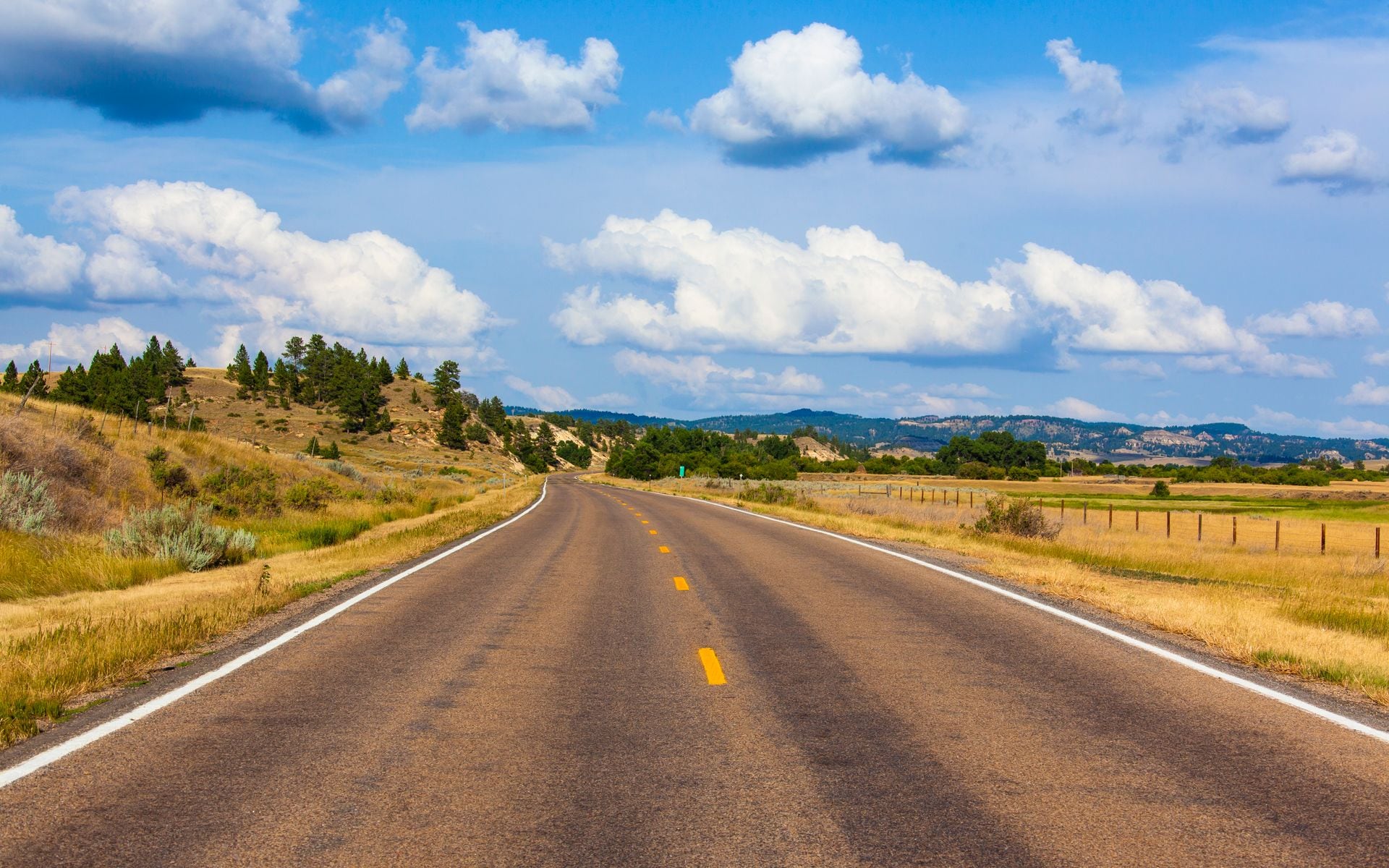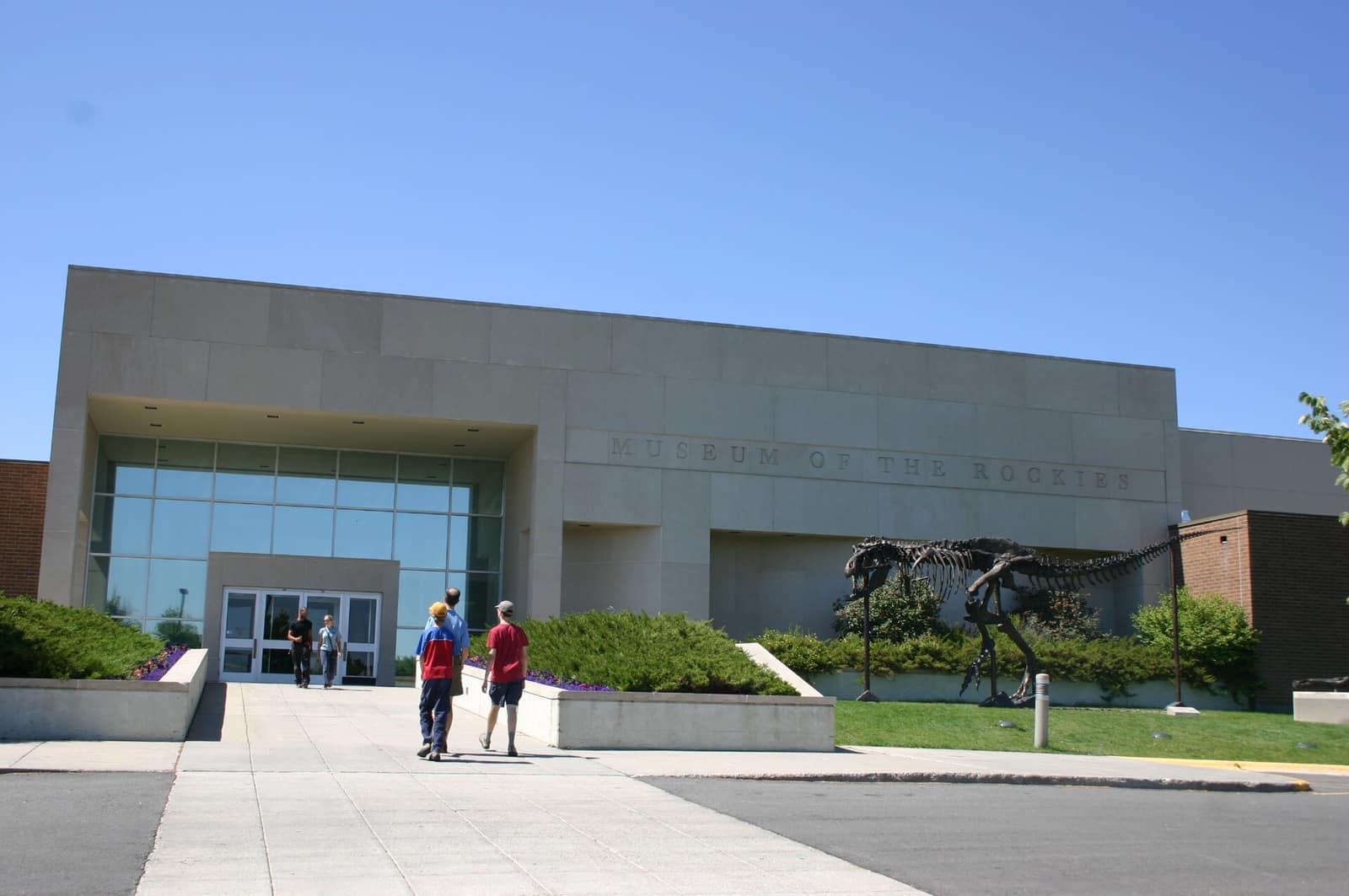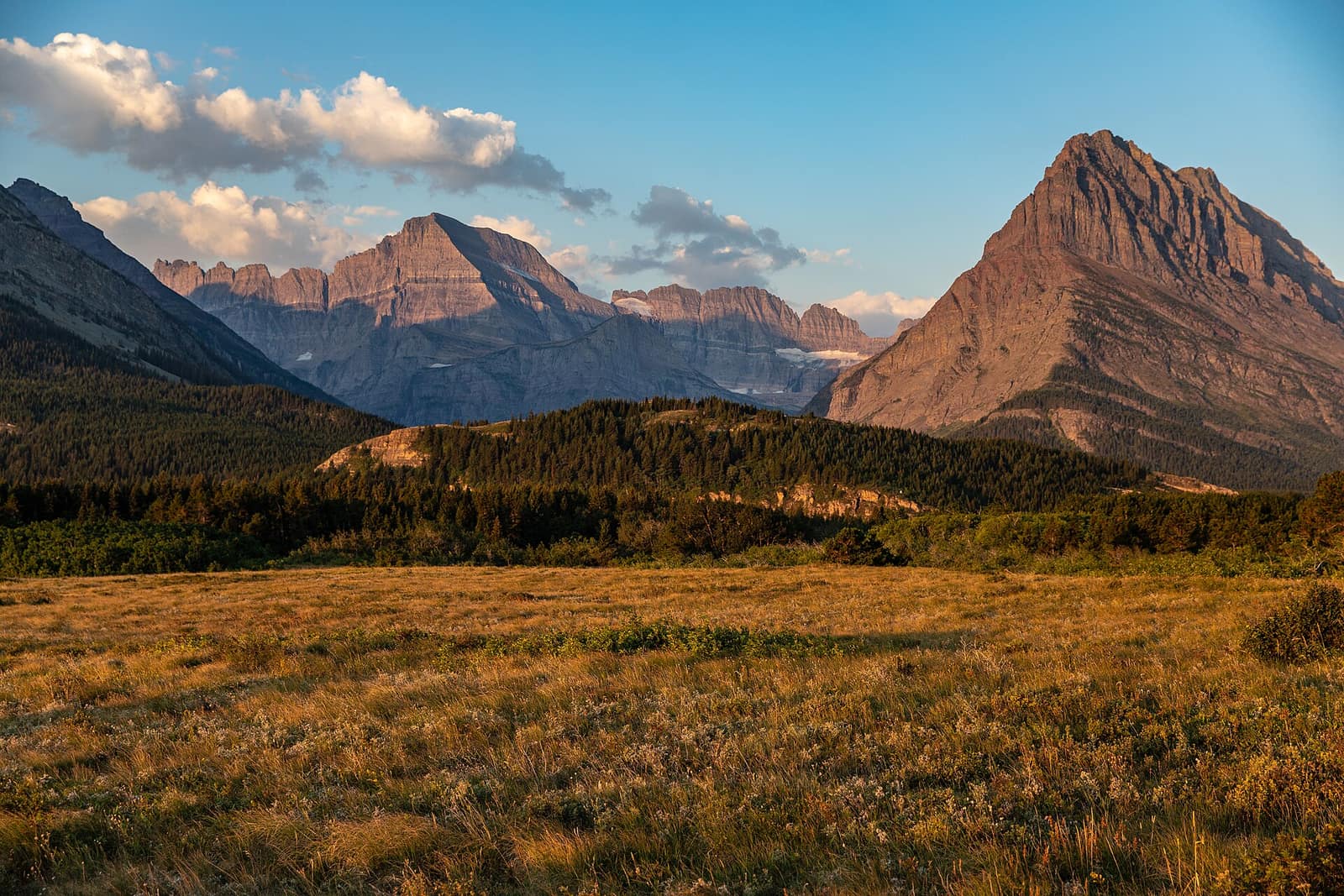
Getting from Bozeman to Yellowstone is short on distance. The park’s north entrance at Gardiner sits about 90 miles south of downtown, and you have three genuinely different ways to get there, each covering different terrain and taking a different amount of time. The fastest route runs through Livingston and Paradise Valley on US-89. A second option sends you south through Gallatin Canyon on US-191 to the west entrance near West Yellowstone. The third is the long way: east to Red Lodge, over Beartooth Pass, and into the park through the northeast entrance at Cooke City. Which one you choose depends on what you want to see before the gates.
How Far Is Bozeman from Yellowstone
The answer shifts based on the route and the entrance.
From Bozeman to Gardiner (north entrance) via Livingston and US-89: about 90 miles, typically 1 hour 45 minutes to 2 hours without stops. This is the most-traveled route and the one most GPS apps default to.
From Bozeman to West Yellowstone (west entrance) via US-191 through Gallatin Canyon: about 90 miles as well, and typically the same 1 hour 45 minutes to 2 hours. The canyon section keeps speeds down, so the travel time matches the US-89 drive despite similar mileage.
From Bozeman to Cooke City (northeast entrance) via Red Lodge and the Beartooth Highway: roughly 270 miles, five to six hours. The Beartooth is seasonal, open approximately Memorial Day through mid-October, and it is a full-day commitment.
The park itself covers more than 2.2 million acres. Yellowstone National Park is not a place you can see corner to corner in an afternoon, and the entrance you arrive through matters. The north entrance at Gardiner puts you closest to Mammoth Hot Springs. The west entrance drops you near Madison and within an hour of Old Faithful. The northeast entrance lands you in the Lamar Valley, the best wildlife-watching corridor in the park.
Route 1: US-89 South Through Paradise Valley
Most people driving from Bozeman take I-90 east about 26 miles to Livingston, then turn south on US-89. That is where the drive opens up.
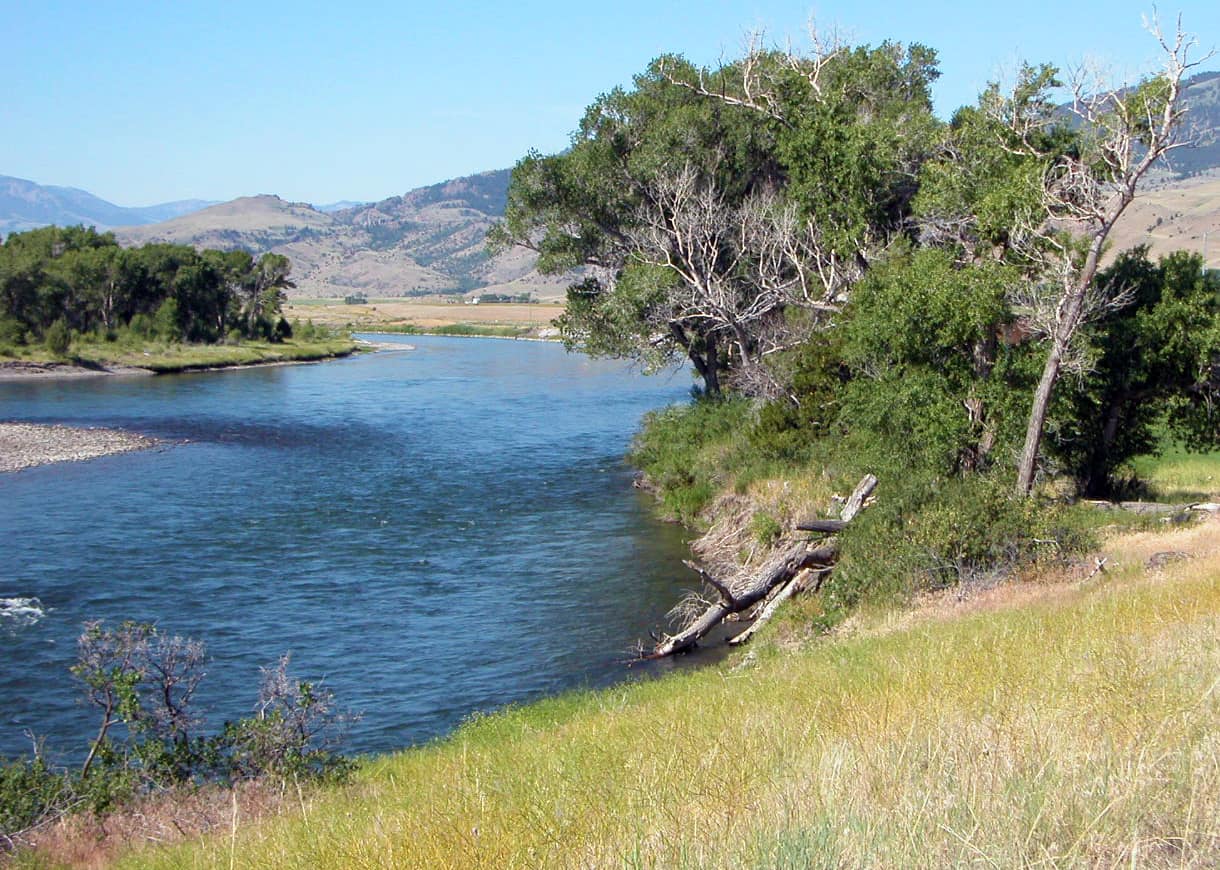
Bozeman sits at roughly 4,800 feet in the Gallatin Valley. Livingston, just east over Bozeman Pass at about 4,500 feet, is at the north end of Paradise Valley where the Yellowstone River emerges from the mountains heading north. Once you turn south on US-89 in Livingston, the Absaroka Range walls in the eastern side of the valley and the river follows you the rest of the way to the park.
The drive through Paradise Valley is about 55 miles from Livingston to Gardiner. The road runs close to the river for much of it. About 30 miles south of Livingston, the small community of Emigrant sits at the base of Emigrant Peak (a steep volcanic summit at 10,921 feet) that dominates the eastern skyline on a clear day. It is visible from the highway and worth pointing out if you have passengers along.
Gardiner is a real town, not just a highway stop. It has gas stations, a grocery store, restaurants, and a range of lodging from budget motels to small inns. If you want to stay near the north entrance rather than inside the park, Gardiner is where you base yourself. The Roosevelt Arch, the original north entrance monument built in 1903, sits just before the entrance station. The inscription reads “For the Benefit and Enjoyment of the People.” It is worth a stop.
The north entrance is open year-round, making this the only practical route into Yellowstone by car during winter. From the north entrance, Mammoth Hot Springs is about 5 miles into the park.
Route 2: US-191 South Through Gallatin Canyon
The Gallatin Canyon route runs directly south from Bozeman on US-191, following the Gallatin River through a narrow canyon before the valley opens up near Big Sky and the Wyoming state line.
The canyon section starts about 10 miles south of Bozeman and runs roughly 40 miles. The Gallatin River is right beside the road through most of it, and the canyon walls close in enough that the drive feels different from the open terrain around town. This stretch is a popular corridor for whitewater rafting in summer, and the put-ins and take-outs are clearly visible from US-191. If you are planning a rafting or fishing day on this trip, take note of the canyon access points as you drive through.
Big Sky is about 45 miles south of Bozeman on US-191. It’s a resort community built around Big Sky Resort, and prices reflect that. Gas, food, and lodging all run higher here than in Bozeman or Gardiner. If you want a resort night on the route, Big Sky has the infrastructure for it. Otherwise, fill the tank in Bozeman and plan to gas up again in West Yellowstone.
From Big Sky, US-191 continues south across the Wyoming state line to West Yellowstone at about 90 miles from Bozeman. West Yellowstone is a tourist town set up almost entirely around park access: motels, restaurants, and outfitters line the main streets. The west entrance is at the edge of town. From the entrance, it is about 14 miles east to Madison Junction inside the park, then another 16 miles south to Old Faithful. If the geyser basins are your first priority on day one, this is the most direct route.
Route 3: The Beartooth Highway to the Northeast Entrance
The Beartooth route is not the direct option, but it adds one of the highest paved highways in the country as a piece of the trip. From Bozeman to the northeast entrance via this route takes five to six hours, with no stops.
From Bozeman, take I-90 east about 70 miles to Columbus, then head south on MT-78 to Red Lodge. Red Lodge has gas stations, a grocery store, restaurants, and lodging. Fill up here before the climb. From Red Lodge, US-212 climbs over Beartooth Pass at 10,947 feet before descending through Wyoming and arriving at Cooke City on the east side of the pass.
Our Beartooth Highway guide covers that drive in detail, including the seasonal window, the summit area stops, and how to time it. The short version: it is 68 miles from Red Lodge to Cooke City, the summit sits above treeline with no services, and the road is typically open from around Memorial Day through mid-October.
From Cooke City, the Yellowstone Country northeast entrance is three miles east. The road from the entrance runs through the Lamar Valley for roughly 30 miles before reaching the rest of the park’s road network. The Lamar Valley is the most reliable place in the lower 48 to see wolves, bison, bears, and elk from your vehicle. Bison herds use the valley floor year-round. The wolf packs denning in this area are spotted regularly by visitors who stop and scan the hillsides with binoculars. If you have driven the Beartooth to reach the park, plan at least two hours in the Lamar before pushing deeper toward Canyon or Mammoth.
What to Know Before You Enter the Park
Yellowstone charges a vehicle entrance fee of $35 per vehicle as of 2026. The America the Beautiful annual pass ($80) covers it and is worth buying if you are visiting more than two fee-area parks in a year.
Unlike Glacier National Park, Yellowstone does not require a timed vehicle reservation for general road access. You can arrive at any entrance without booking in advance. What you cannot do easily is show up without lodging or campground reservations in peak summer. Facilities inside the park, including Old Faithful Inn, Lake Yellowstone Hotel, and Canyon Lodge, book out months ahead. Campgrounds fill on the same schedule. The NPS Yellowstone planning page has current reservation status and road conditions.
The Grand Loop Road is a figure-eight that connects most of the park’s major features. The north entrance routes you into the upper half of the loop near Mammoth. The west entrance puts you at Madison, near Old Faithful. The northeast entrance drops you into the Lamar Valley on the east side of the upper loop. Understanding that shape before you arrive helps you plan a logical order of stops and avoid covering the same ground twice.
The Best Time to Make the Drive
The full seasonal breakdown for Montana travel covers timing across the state, but here are the specifics for this route.
June through August is peak season. All entrances are open, all park roads are typically clear, and you have the full range of services at park facilities. Crowds are at their highest, especially on weekends in July. Arriving midweek in early June or late August gets you full access with fewer people.
September is a strong month for this drive. Crowds thin after Labor Day, and the elk rut is active through October. The bull elk in Paradise Valley and around Mammoth Hot Springs are audible and visible during the rut in September and October. Aspen in the valley and around Gardiner turn gold in late September. Daytime driving is good into early October.
The Beartooth route shuts down sometime in mid-October. If that is your plan, do not push past the first week of October without checking road status at mdt.mt.gov/travinfo.
Winter access narrows to the north entrance and the road to Mammoth. Roads inside the park that remain open in winter are shared with snowcoach and snowmobile tours rather than standard vehicles.
Spring, from March through May, is mud season in the valley. The Beartooth route is not open. The north entrance road to Mammoth is the main option. Wildlife activity picks up and fishing starts improving in May, but this is the least popular season for a reason.
Where to Stay
Lodging choice follows logically from which entrance you use.
For the north entrance, Gardiner is the closest Montana option. It is a small town but it has real choices: chain motels, independent inns, and short-term rentals within a few blocks of the Roosevelt Arch. Prices run lower than inside the park. Livingston, 55 miles north on US-89, has a wider range and more of a town character, with multiple restaurants, a historic district, and lodging at a few price points. It is a reasonable base if you want to drive into the park each day and prefer a real town over a gateway strip.
For the west entrance, West Yellowstone is the straightforward answer. It’s a tourist-oriented town so expect tourist pricing, but it is on the doorstep of the entrance. Bozeman, 90 miles north, works as a base if you don’t mind the daily drive and want the full selection of a university city.
For the northeast entrance, Cooke City offers a few motels with limited services. Red Lodge, about 70 miles north via the Beartooth, is a better overnight if you want more options. Planning nights before and after the northeast entrance visit from Red Lodge or Billings keeps the logistics manageable.
If you are combining Glacier and Yellowstone into one loop, our Glacier and Yellowstone road trip itinerary covers the full route. Bozeman sits at the center of that loop and makes a useful hub for the Yellowstone portion of the drive.