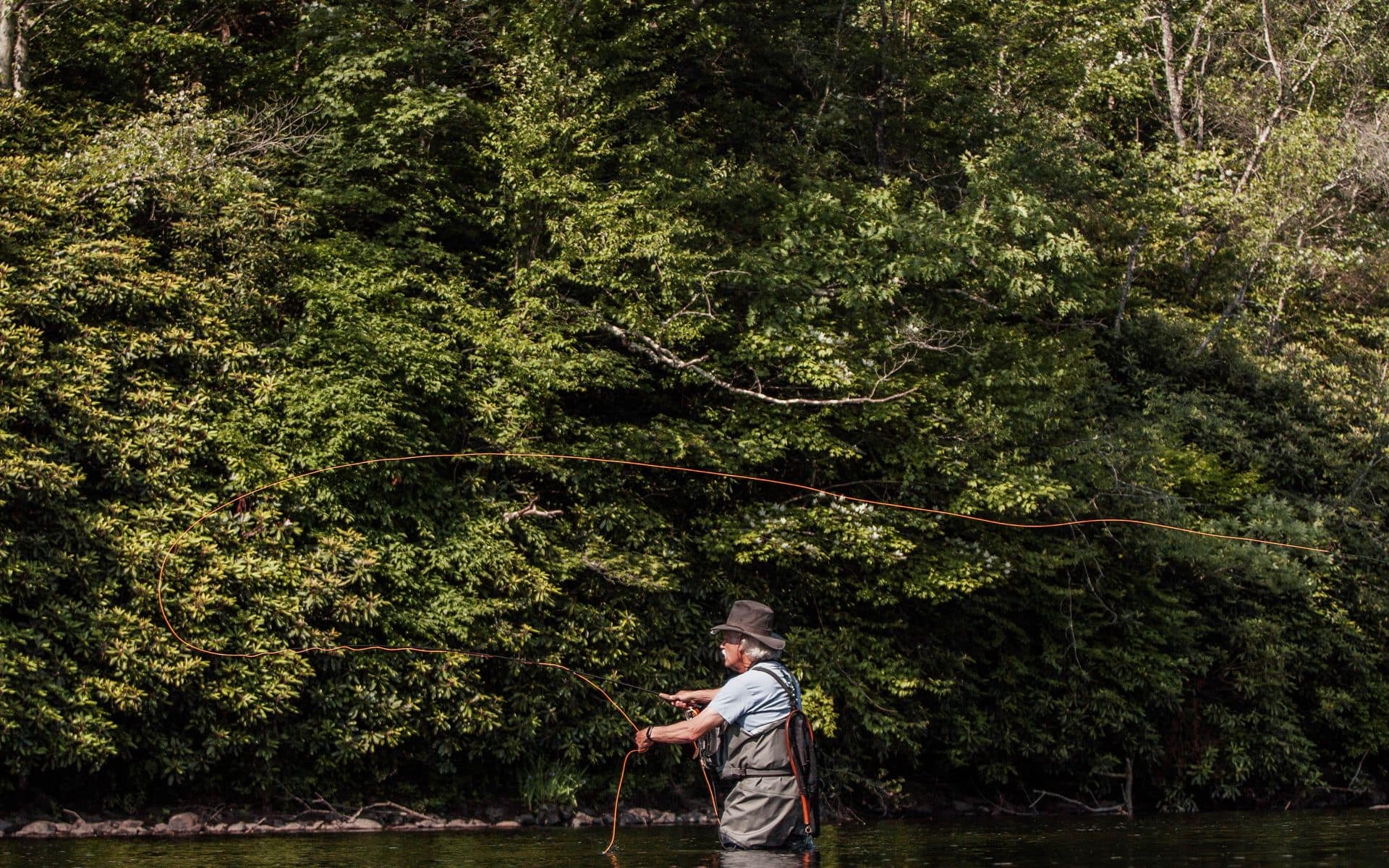
About Fly Fishing Outfitters in Montana
Montana's guide industry earned its reputation on rivers that anglers travel from across the country to fish: the Madison between Ennis and Three Forks, the Gallatin through the canyon below Big Sky, the Yellowstone from Livingston down through Paradise Valley, and the Clark Fork winding past Missoula. Southwest Montana adds the Big Hole, Beaverhead, and Ruby rivers near Dillon, waters with fewer crowds and some of the largest brown trout in the state. The Blackfoot east of Missoula gets the literary attention, but what makes the Montana travel experience for anglers is the sheer density of quality water within a few hours of any major airport. Most outfitters here are small operations: one or two licensed guides, a drift boat or two, and deep working knowledge of specific river systems they've fished for years.
Season runs roughly May through October, with the prime fishing window from mid-June through September. Late May and early June bring snowmelt runoff that can push rivers high and off-color, especially on west-slope drainages feeding into Glacier Country. A seasoned outfitter watches the gauges and shifts clients to spring creeks, tailwaters, or high-mountain lakes during runoff weeks rather than drag you down a muddy river. July and August bring the salmonfly and golden stonefly hatches on the Madison and other major rivers, and those specific hatch weeks book out six months or more in advance. Fall fishing in September and October produces some of the largest brown trout of the year, though some sections of the Madison and Gallatin close seasonally to protect spawning cutthroat.
Guide rates across Montana typically run $350 to $600 per person for a full day in a drift boat (estimate), which generally includes flies, lunch, and a loaner rod if you need one. Half-day wading trips average $175 to $300 per person (estimate). Multi-day float or pack trips into wilderness drainages like the Bob Marshall Wilderness cost considerably more, often $400 to $700 per person per day (estimate), and require booking six to twelve months ahead. Montana law requires a valid state fishing license for anyone 12 or older who casts in public water. Non-resident fishing licenses for the full season typically cost $80 to $100 (estimate) and are available online through Montana Fish, Wildlife and Parks or at sporting goods stores near the river.
How to Choose a Montana Fishing Outfitter
Start by deciding which river or drainage you want to fish, then look for outfitters who specialize in it. A guide who has fished the Yellowstone from Livingston to Springdale for fifteen years knows the small side channels, the pocket water behind boulders, and exactly where fish hold when water temperatures climb past 60 degrees in August. That kind of knowledge does not carry over from a different river system. All legitimate Montana outfitters must be licensed through Montana Fish, Wildlife and Parks, and you can verify a guide's license number on the department's website before you book. The best towns to base a fishing trip from include Livingston near the Yellowstone, Ennis near the Madison, and Dillon near the Big Hole. These small Montana fishing towns have fly shops, outfitter offices, and enough services to organize a full trip without driving far.
Group size matters more on the water than most people expect. A standard drift boat holds two anglers and a guide comfortably. A third angler in the back means less casting room and less time for the guide to position the boat for good drifts. If you are a party of four, look for outfitters who can put two boats on the same float so everyone gets a full day of fishing. On wading trips in popular areas, ask how many guided parties the outfitter sends out each day. Good outfitters cap their daily numbers to protect the fishing and keep the experience from feeling crowded. If you want to combine a fishing trip with other activities, the tour operators directory covers guides running wildlife, rafting, and horseback trips that pair well with time on the water.
For anglers flying in, Bozeman Yellowstone International (BZN) is the most practical entry point for the Madison, Gallatin, and Yellowstone drainages. Missoula (MSO) puts you closest to the Clark Fork, Blackfoot, and Bitterroot. Fly shops near both airports sell licenses and can connect you with guides on short notice if your original booking falls through. A handful of outfitters near Big Sky operate in the same high-country corridor as Montana's ski resorts, which makes spring and early summer fishing trips work well for visitors extending a late-season ski trip into the shoulder months.