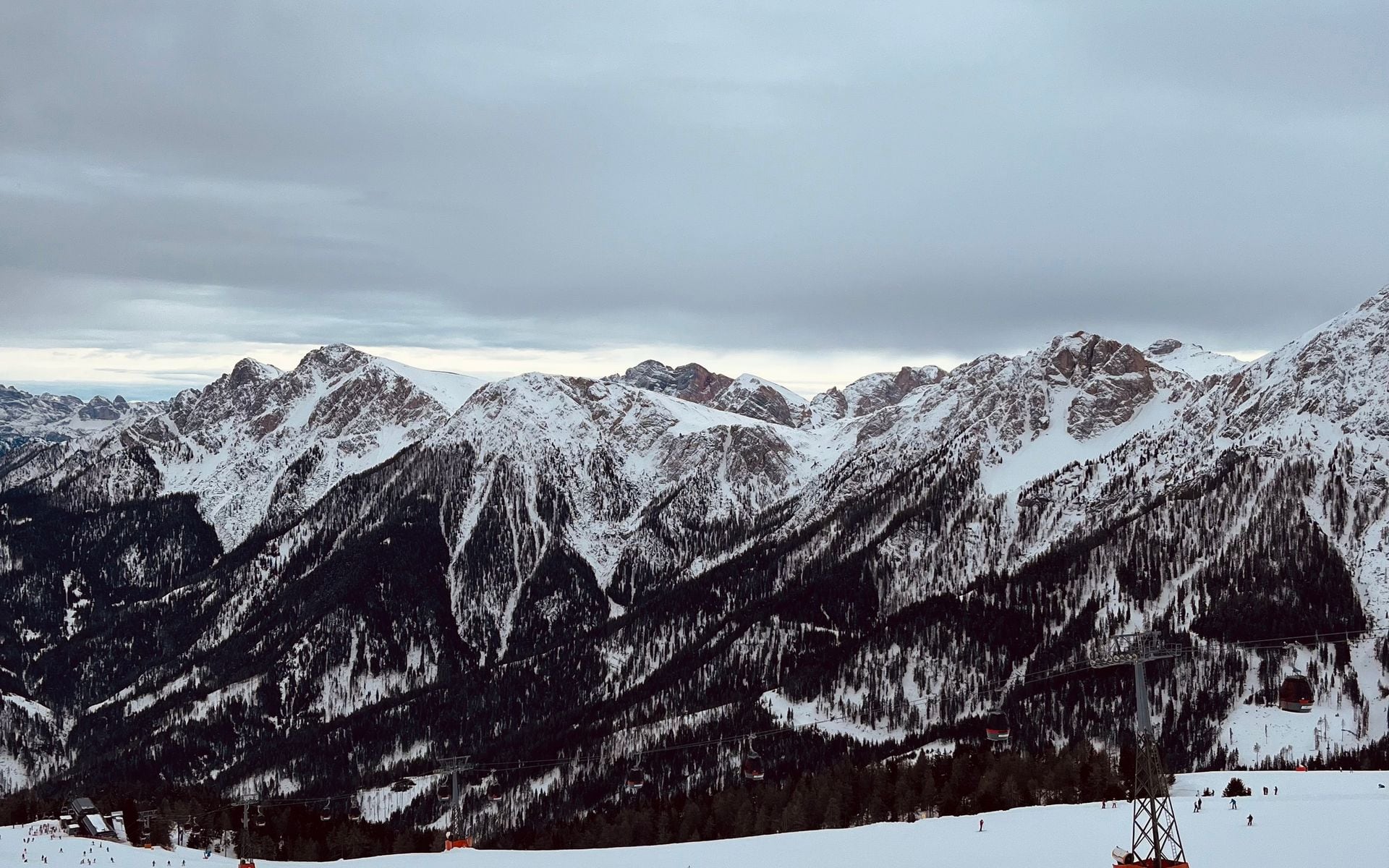
About Ski Resorts in Montana
Montana's ski mountains divide clearly into two groups. Big Sky Resort, about 50 miles south of Bozeman on US-191, and Whitefish Mountain Resort, above the town of Whitefish in Glacier Country, are full destination resorts with multi-day lodging, ski schools, terrain parks, and the kind of vertical that takes a full day to work through. The rest of the state's mountains, including Bridger Bowl 16 miles north of Bozeman, Montana Snowbowl outside Missoula, Red Lodge Mountain near the Beartooth Highway in Carbon County, and Discovery Ski Area near Philipsburg, run as community or regional operations with shorter lift lines and daily tickets that are genuinely affordable.
Montana's ski season runs December through March at most resorts, though Big Sky has opened as early as Thanksgiving and stretched into April during strong snow years. Snow character varies by location. The mountains in Glacier Country, including Whitefish Mountain Resort, sit in a zone influenced by Pacific moisture that can produce either heavy wet snow or dry powder depending on whether the storm tracks hold through the season. The ranges around Bozeman and the Gallatin Valley tend toward colder, drier snow, which is a big part of why Bridger Bowl attracts powder-focused skiers who treat the 30-minute drive from Bozeman as part of the routine.
Getting to the right mountain starts with which airport you land at. Bozeman Yellowstone International (BZN) is the obvious choice for Big Sky and Bridger Bowl, both within 90 minutes by car. For Whitefish Mountain Resort, fly into Glacier Park International (FCA) in Kalispell and drive about 25 miles to Whitefish. Montana Snowbowl is roughly 12 miles from Missoula International Airport (MSO). Red Lodge Mountain sits about 60 miles southwest of Billings Logan International (BIL), making it the natural pick if you're building a trip around southeast Montana.
Skiing in Montana also means you're in one of the least crowded mountain states in the country. Even Big Sky, which draws visitors from across the US and internationally, feels less congested on most days than comparable Colorado or Utah resorts. The small towns near Montana's ski mountains, including Whitefish, Red Lodge, and Big Sky village itself, have real character and aren't built exclusively around ski tourism.
How to Choose a Montana Ski Resort
Start with your budget. Lift tickets at Big Sky during peak January and February weeks run $150-200+ per day for adults (estimate). On-mountain lodging during holiday periods pushes $300-600+ per night (estimate). Those prices reflect the mountain's scale and the amenities that come with it. If you want serious terrain without the destination-resort price tag, Bridger Bowl is one of the best values in western skiing: adult lift tickets typically run $65-80 per day (estimate), most skiers stay in Bozeman and drive up, and the mountain's community-oriented ownership model keeps it focused on the skiing rather than the real-estate side of resort development.
Terrain and skill level are the second filter. Big Sky's Lone Peak is the signature feature: the summit reaches 11,166 feet, the tram carries you to ridge runs with views across three states on a clear day, and the total vertical measures 4,350 feet. An expert skier can spend five days here without repeating the same line. Bridger Bowl's Ridge, a convex snowfield accessed by a traverse above the main chairlifts, requires an avalanche beacon and probe to enter and delivers some of the steepest in-bounds chutes in the northern Rockies. If you're heading to the Ridge for the first time, stop at ski patrol and ask about current conditions before committing to the traverse.
Families and beginner or intermediate skiers have solid options at several mountains. Whitefish Mountain Resort has a well-structured front-face trail system with long green and blue runs, a good ski school with dedicated learning terrain, and a real town below the gondola that provides dining and lodging without locking you into an on-mountain resort rate. Red Lodge Mountain, about 60 miles southwest of Billings off US-212, is compact and affordable at an estimated $50-70 per day and worth considering if you're already in the Billings area or driving the Beartooth corridor. Discovery Ski Area near Philipsburg is one of Montana's quieter finds: a small mountain with old-school chairlifts, no crowds, and terrain well suited to intermediates.
If the ski town experience matters as much as the skiing itself, Whitefish is the clearest answer. The town has a walkable downtown with good dining and sits about 30 minutes from Glacier National Park's West Glacier entrance, which stays open for cross-country skiing and snowshoeing in winter. For dining options near your base mountain, see our Montana restaurant directory. If you want a guided introduction to backcountry terrain, off-piste coaching, or organized snowmobile tours near your resort, check the listings in our Montana tour operators and guides directory.
What to Know Before You Book
Montana road conditions in ski season require real attention. US-191 through the Gallatin Canyon between Bozeman and Big Sky runs alongside the Gallatin River and can ice hard after storms; allow extra time in January and after any overnight snowfall. Highway 2 between Kalispell and Whitefish is typically well-maintained but can see heavy overnight accumulation. Always check the Montana Department of Transportation road condition reports before every mountain drive.
Booking ahead matters, especially at Big Sky. Slopeside lodging and Big Sky Mountain Village rentals fill weeks in advance for the Christmas-New Year window and February school break periods. Weekend lift tickets at most Montana mountains sell out online before the Friday prior, so buy in advance regardless of where you're going. Most resorts offer 10-20% off window prices for advance online purchase. The Montana Travel Guide covers broader trip planning context if you're combining your ski trip with other parts of the state, from Glacier to the Missouri River Breaks.