Montana has more designated blue-ribbon trout water than most anglers can fish in a lifetime. This guide covers which rivers are worth building a trip around, how to pick the right one for your skill level, and what it costs to get on the water.
Why Montana Rivers Fish the Way They Do
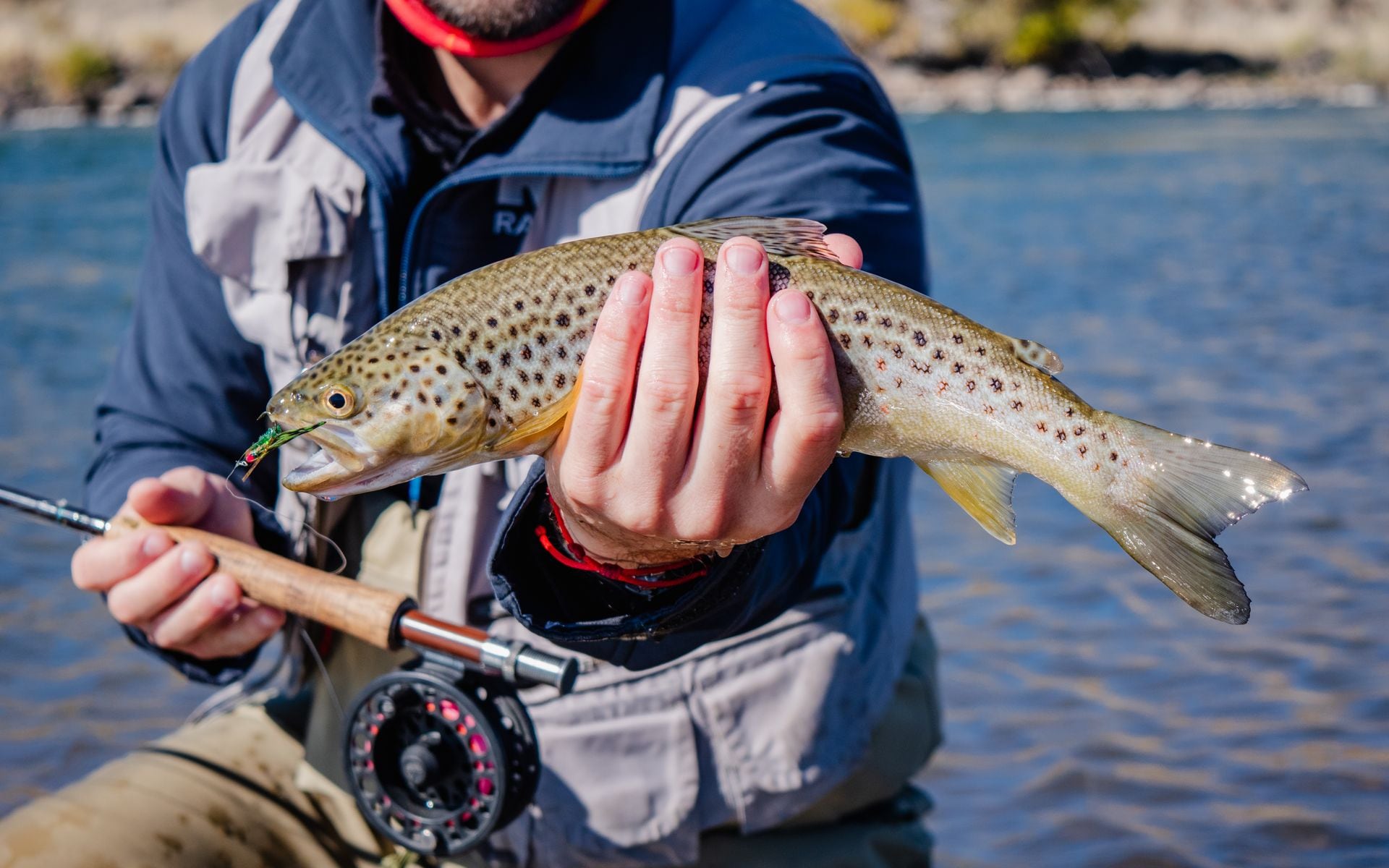
Montana’s trout rivers draw serious anglers because the water is cold, clear, and full of wild fish. The state designates key stretches of the Madison, Gallatin, Yellowstone, Missouri, Beaverhead, Big Hole, Bighorn, and Blackfoot rivers as blue-ribbon fisheries, which restricts stocking and prioritizes wild populations. That means you’re fishing for brown trout and rainbow trout that have never seen a hatchery truck, and they behave accordingly: they hold in predictable seams, feed selectively on specific hatches, and fight hard when you set the hook.
The other thing beginners don’t always account for: Montana rivers are bigger and faster than most eastern trout streams. A river that looks wade-able from the bank can be thigh-deep and moving hard twenty feet from shore. Budget your first morning to getting a feel for the current and your footing before you try to reach the far side. The Montana Travel Guide covers the broader logistics of traveling here, including how spread out the major fishing rivers are across a state the size of Germany.
Best Rivers for Beginners
The Gallatin River is the most beginner-accessible blue-ribbon stream in the state. It runs parallel to US-191 from Bozeman south through the Gallatin Canyon for about 50 miles to Big Sky, and there are dozens of pullouts along that corridor where you can park and be in the river in two minutes. Most first-time visitors don’t realize how easy the access is: the entire canyon sits in Gallatin National Forest, so public land borders both banks and there are no private-property complications. Expect wild rainbow and brown trout in the 10- to 16-inch range. The water is smaller and faster than the Madison, which means shorter casts and more forgiving wading depth.
The Madison River near Ennis is the next step up in scale. The stretch from Quake Lake downstream through the Madison Valley is classic Montana float-and-wade water: wide, knee-to-thigh-deep rifles and runs with brown and rainbow trout that can push well into the 20-inch range. Ennis sits about 75 miles south of Bozeman via US-287 and has a good cluster of fly shops, guides, and lodging built around the river. Even without a guide, you can pick up a current hatch report at the fly shops in town and find multiple public access points on the county roads running parallel to the river.
The Clark Fork near Missoula is worth knowing if you fly into MSO or are spending time in western Montana. It flows through the center of the city and has public access from downtown parks, with brown and rainbow trout throughout. The current is gentler than the canyon rivers, the wading is forgiving, and Missoula’s fly shops give you easy access to daily river reports. It is not the most productive river in the state, but it is one of the most approachable, and it pairs well with a day on the nearby Blackfoot River, which runs east of town through the same valley that Norman Maclean wrote about in A River Runs Through It.
Rivers Worth the Trip Once You Are Comfortable
The Missouri River below Holter Dam, near the small town of Craig about an hour north of Helena on US-287, is one of the most technically demanding and rewarding tailwaters in the West. The dam keeps the water cold and clear even in August when other Montana rivers run warm and low, and the insect life in that stretch, primarily midges and scuds, produces fish that grow large and feed selectively. Expect 20-inch browns and rainbows as a realistic expectation rather than a lucky exception. The catch is that those fish get educated fast. Fine tippets (5X to 7X), small flies (size 18 to 22), and a drag-free drift within an inch of the target are the standard. This is not a river to start on, but it rewards anglers who have put in time on tailwaters elsewhere.
The Bighorn River near Fort Smith in southeastern Montana is about two and a half hours east of Billings via I-90 east and then US-313 north. It is another dam-controlled tailwater, regulated by Yellowtail Dam, with some of the highest trout densities of any river in the country. Float trips are the standard approach because the best water covers long stretches and wade access from shore is limited. A full-day float with a licensed guide for two anglers typically runs $550 to $700 (estimate; expect higher in July and August when demand peaks). The Bighorn fishes well from April through November, making it one of the more reliable options across a long season.
The Yellowstone River through Paradise Valley, south of Livingston, is the longest undammed river in the lower 48 states. Because it is not regulated by a dam, flows follow snowmelt, which means the river often runs high and turbid through June and clears into prime condition from mid-July through September. The fish are wild Yellowstone cutthroat and brown trout, and some sections of the river hold fish over 20 inches. Livingston sits about 25 miles east of Bozeman on I-90. See our full list of best fly fishing rivers in Montana for more detail on each of these watersheds, including where to find public access and which outfitters work each river regularly.
Best Time to Fly Fish in Montana
The main fishing window runs from late May through late October, but different rivers peak at different times. June brings the salmonfly hatch to the Gallatin and parts of the Yellowstone, which pulls big fish to the surface and draws the heaviest crowds of the season. The golden stonefly follows close behind in late June and early July. If you want the hatch action but fewer people on the water, the third week of June on the Madison or Gallatin can hit the sweet spot.
Late July and August require a little more caution. During hot spells, some Montana rivers face voluntary or mandatory ‘hoot owl’ restrictions that limit fishing to before 2 p.m. to protect trout stressed by warm water temperatures. The Montana Fish, Wildlife and Parks department posts these notices at fwp.mt.gov, and any local fly shop will flag them immediately. The Missouri near Craig and the Bighorn near Fort Smith are dam-controlled and stay fishable through most of August even when valley rivers are restricted.
September through early October is when many local anglers consider the fishing at its best. Crowds drop after Labor Day, the brown trout move into pre-spawn feeding mode and become more aggressive, and the canyon rivers pick up cottonwood and aspen color. Temperatures are comfortable for wading and the fish are active through the afternoon rather than pushing to shaded lies by noon. For a broader look at when to time your Montana trip, see our guide to the best time to visit Montana.
What a Guided Trip Costs
A half-day wade trip with a licensed Montana guide runs roughly $275 to $400 for one or two anglers (estimate). A full-day float trip covering 10 to 15 miles of river runs $500 to $700 for one or two people (estimate). Flies and terminal tackle are typically included. Lunch is standard on full-day floats. Peak summer bookings on popular rivers like the Madison, Missouri, and Bighorn fill months in advance, but shoulder-season guide time in September and October is often bookable with shorter notice.
A non-resident Montana fishing license costs around $50 for a two-day conservation license or around $86 for a full-season license as of recent years (confirm current fees at fwp.mt.gov before your trip, as the department adjusts these periodically). You’ll also need a conservation license as the base layer before purchasing the fishing license, which adds a small fee. Out-of-state anglers need both in hand before dropping a line.
Three Things Beginners Don’t Expect
First: river access is broader than most out-of-state anglers assume. Montana’s Stream Access Law gives the public the right to use the streambed, up to the ordinary high-water mark, even when the adjacent land is privately owned. You cannot drive across private land to reach a river, but if you can legally reach the water through a bridge, a public road easement, or a public land border, you can fish it. This opens up stretches of the Madison, Yellowstone, and Clark Fork that look inaccessible on a map but are fully legal to wade.
Second: the wind in the valley rivers. The Madison Valley and Paradise Valley both funnel strong southwest winds in the afternoon, often 20 to 30 mph. A struggling beginner caster with a 5-weight rod in a 25 mph headwind is going to have a difficult time. If you’re not comfortable casting in wind, lean toward the canyon rivers early in your trip, where the canyon walls offer some shelter and the shorter casting distances forgive a rougher stroke.
Third: always stop at the local fly shop, even if you have all your gear. The shops in Ennis, Livingston, Missoula, Craig, and Fort Smith operate on current real-time information: which hatches are on, what stretches are fishing well, whether there are closures or high-water conditions you don’t know about. That five-minute conversation with the person behind the counter is worth more than two hours of guessing on the wrong water. If you’re planning a longer Montana trip and working out how much time to spend fishing versus other activities, our post on how many days you need in Montana walks through common trip lengths and what fits into each.
Frequently asked questions
What is the best river for a beginner fly fisher in Montana?
The Gallatin River is the most beginner-friendly option. It runs alongside US-191 between Bozeman and Big Sky, which means easy pull-off access, shorter casting distances than the bigger valley rivers, and entirely public land along most of the canyon. Fish run smaller on average than the Madison, but they are wild and plentiful, and the river is forgiving to wade. Ennis and the Madison River are the better choice once you’re comfortable with the basics and want a shot at larger fish.
Do I need a fishing license to fly fish in Montana?
Yes. Non-residents need a Montana fishing license, purchasable online at fwp.mt.gov or at fly shops across the state. As of recent years, a two-day license runs around $50 and a full-season license around $86, but fees are updated periodically so confirm the current rate before your trip. You’ll also need the underlying conservation license, which adds a small additional fee. Game wardens do check licenses on popular rivers, particularly the Madison, Missouri, and Bighorn.
Can a complete beginner fly fish Montana rivers without a guide?
Yes, especially on the Gallatin and Clark Fork, where access is simple and the water is forgiving. That said, a half-day guide trip or casting lesson ($75 to $150 estimate for a lesson at most Bozeman or Missoula fly shops) will compress the learning curve significantly on bigger, more technical rivers. Montana rivers reward anglers who understand how to read water and present a drift without drag, and those skills take time to develop independently.
Is Montana worth visiting just for fly fishing, or should I combine it with a national park visit?
Many anglers do both, and the geography supports it. A Bozeman (BZN) base puts you within an hour of the Gallatin, Madison, and Yellowstone rivers and within 90 minutes of the north entrance to Yellowstone National Park at Gardiner. A Missoula (MSO) base puts you near the Clark Fork, Blackfoot, and Bitterroot rivers and about two hours south of Glacier National Park. If you’re weighing a national park addition to a fishing trip, see our comparison of Glacier vs Yellowstone to figure out which one fits your route and timeline.
When is the worst time to fly fish in Montana?
Spring runoff, typically April through mid-June on unregulated rivers, pushes flows high and turns the water turbid. Wade fishing the Yellowstone or upper Madison during runoff is difficult and sometimes dangerous. The dam-controlled rivers, Missouri near Craig and Bighorn near Fort Smith, are less affected and can fish well even in May. Late August on some valley rivers can also be slow if air temperatures are high and ‘hoot owl’ restrictions are in effect, though early mornings can still produce on those days.