Montana is bigger than most people expect, and the answer to how many days you need depends almost entirely on which parts you’re planning to see.
The Short Answer
If you’re visiting one region, four to five days is workable but tight. If you want Glacier National Park and Yellowstone Country in the same trip, plan on at least seven to ten days. If you’re trying to get a real feel for the state across multiple regions, twelve to fourteen days is the honest minimum.
The reason comes down to scale. Montana is roughly 550 miles wide from east to west. Bozeman to Glacier is about 6 to 7 hours of driving, taking US-93 North out of Missoula and then MT-2 West through Kalispell. Billings to Glacier is close to a full day behind the wheel. You cannot make this work without a rental car, and the distances mean every routing choice carries a real time cost. Take the scale seriously when you plan. The Montana Travel Guide covers how the state divides into six distinct travel regions, which helps you see what is and is not geographically realistic in a single trip.
4 to 5 Days: One Region Done Right
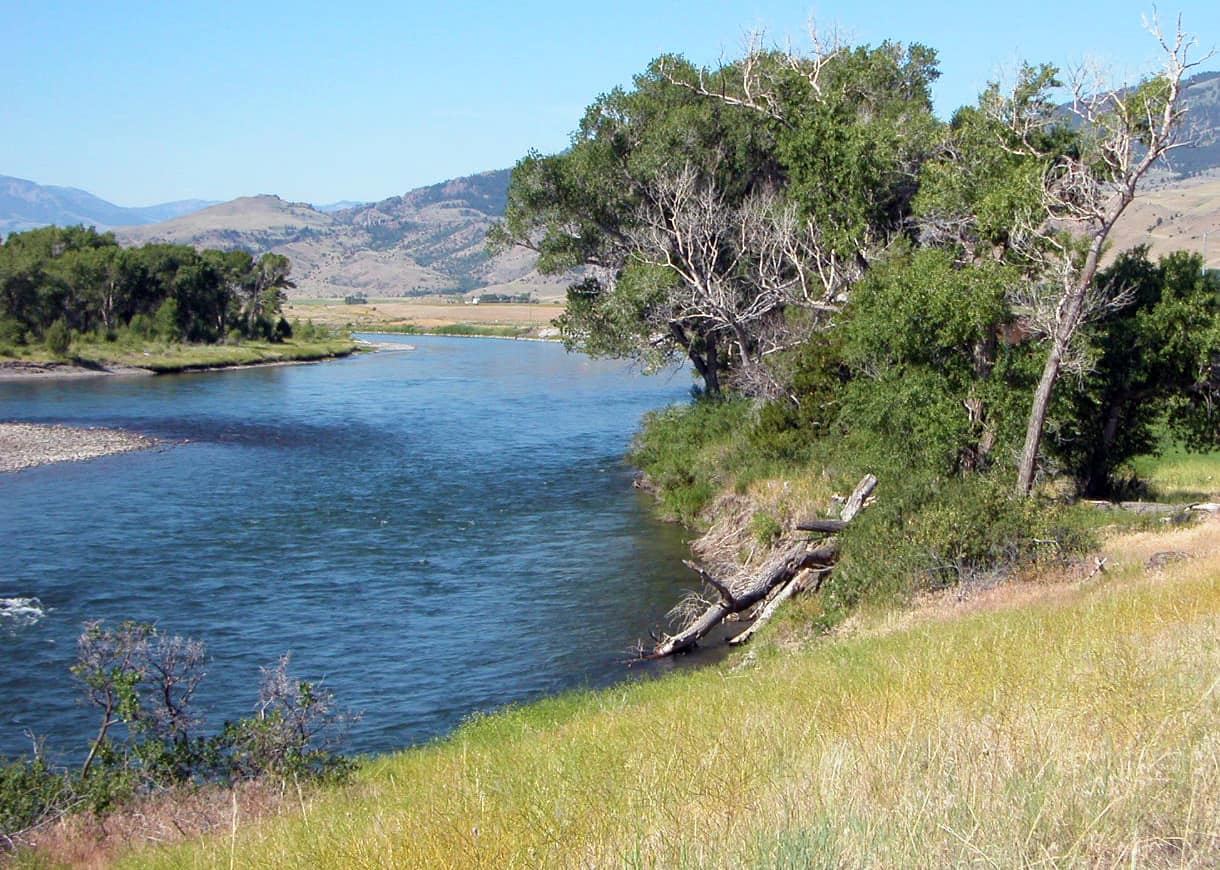
Four or five days is enough to do one region properly. Fly into BZN (Bozeman Yellowstone International) and you have a solid Yellowstone Country trip in front of you: a day in Bozeman, a day driving south through Paradise Valley on US-89 to the North Entrance at Gardiner, two full days in Yellowstone, and a half-day on the drive home. That’s a complete, satisfying trip.
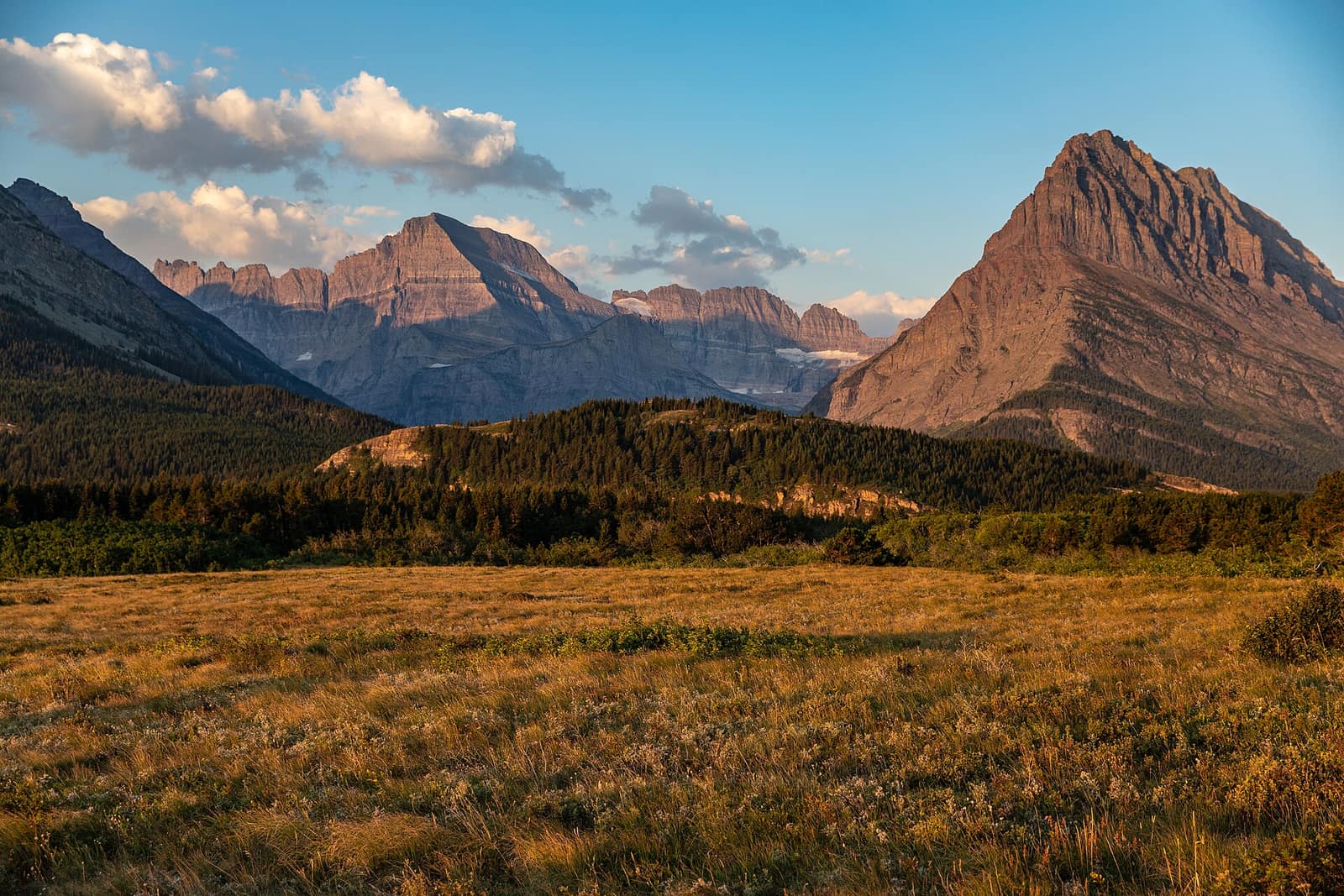
Alternatively, fly into FCA (Glacier Park International in Kalispell) and spend four or five days on Glacier alone. Base yourself in Whitefish, which sits about 30 minutes from the West Glacier entrance, and build your schedule around two full days on Going-to-the-Sun Road plus at least one day in the Many Glacier area on the east side of the park. Many Glacier draws fewer visitors than the west side and gives you some of the best odds in the park for spotting grizzly bears at dawn and dusk. The bear activity there at the edge of the Swiftcurrent Valley is consistent enough that rangers post daily sighting reports at the Many Glacier Hotel. The 5 Days in Montana itinerary shows exactly how to structure a shorter trip like this, including specific drive times and where to book lodging.
Four days is tight for any single region because of setup time, in-park distances, and the fact that mountain weather can cancel a day. Five days gives you the flexibility to absorb a change in plans without feeling like you blew the trip.
7 to 10 Days: Glacier and Yellowstone Country Together
Seven to ten days is the most common Montana trip length, and it covers the two regions most visitors want: Glacier in the northwest and the Yellowstone gateway towns in the south. A practical routing looks like this: fly into BZN, spend two days in Bozeman, drive south through Paradise Valley on US-89 into Yellowstone for two days, then backtrack north to Bozeman, pick up I-90 West to Missoula, head north on US-93, and finish with three days in and around Glacier before flying home from FCA. Total driving distance over the week runs around 700 miles, very manageable if you spread it out.
Add one more day and you can route differently out of Yellowstone: instead of backtracking to Gardiner, drive the Northeast Entrance road through the Lamar Valley, exit at Cooke City, and take the Beartooth Highway (US-212) west over the Beartooth Plateau. The highway climbs to 10,947 feet, drops into Red Lodge, Montana, and connects back to I-90 at Laurel. The stretch is 69 miles and takes around 2.5 hours with stops. US-212 typically opens in late May and closes with the first serious snow in October. Most visitors on a week-long trip skip this route to save time, but if you have the day to spare, it’s worth building in.
Deciding whether to weight your time toward Glacier or Yellowstone comes down to what kind of landscape and experience you’re after. The post on glacier vs yellowstone which to visit goes through the trade-offs by travel style, time of year, and family situation.
12 to 14 Days: Adding the Rest of the State
Twelve or more days opens up the corners of Montana that most visitors never reach. From Bozeman, you can loop west through Butte and then south to Bannack State Park, a preserved 1860s gold-rush ghost town near Dillon that you can walk through largely on your own. Or push through to the Big Hole National Battlefield near Wisdom, about 90 miles southwest of Butte on MT-43, which marks the site of an 1877 engagement between the U.S. Army and the Nez Perce. Helena, the state capital, is a separate day trip north of Butte on I-15, with the Gates of the Mountains boat tour on the Missouri River just 20 miles north of town.
The far east of the state, including the Little Bighorn Battlefield National Monument and the badlands at Makoshika State Park near Glendive, is best reached by flying into BIL (Billings Logan International) or treating it as its own shorter trip. Billings to Glendive is about 220 miles east on I-94. Most ten-day Montana trips skip the eastern half of the state entirely, and that’s a defensible choice when your priorities are mountains, rivers, and wildlife. But if history and wide-open plains interest you, the east is quietly worthwhile.
Before you finalize dates for any of these longer trips, read the Best Time to Visit Montana guide. The window when nearly everything is open at once, including the full Going-to-the-Sun Road to Logan Pass at 6,646 feet, the Beartooth Highway, and the interior loops of Yellowstone, is roughly mid-July through mid-September.
What Slows You Down
A handful of factors eat into planned days faster than most visitors anticipate. The first is Glacier’s timed vehicle entry system. During peak summer, typically late June through Labor Day, Going-to-the-Sun Road and several other corridors require a timed entry reservation purchased in advance through Recreation.gov. Miss the booking window and you’re either waking up at 6 a.m. to chase same-day releases, arriving before the reservation window starts (before 6 a.m. or after 5 p.m.), or parking at Apgar and riding the free park shuttle. Any of these adds an hour or two to your day. Yellowstone does not require a timed entry reservation to drive in, but lodges inside the park book out 6 to 12 months ahead of peak season.
The second factor is wildlife stops. The Lamar Valley in Yellowstone’s northeast corner, reached via the Northeast Entrance road from Cooke City, is one of the best wolf-watching corridors in the lower 48 states. You plan on 90 minutes there and end up spending four hours. That is not a complaint, but you should build it into your schedule rather than treat it as a quick pass-through. For timing advice on which animals are active when, the guide on best time to see wildlife in montana breaks it down by species and month.
The third factor is wildfire smoke. August and early September can bring significant smoke across western Montana in active fire years, which reduces visibility and occasionally closes roads. It does not happen every year, but when it does, it can materially affect your plans. If smoke is a hard concern for you, late June and early July carry lower smoke risk, though you trade that for possible road closures from late snowpack.
Practical Tips for Timing Your Days
Arrive a day early in whichever gateway city you fly into. The altitude change from sea level to Bozeman at 4,820 feet or Whitefish at 3,028 feet is real, and your first full park day should not double as your arrival day. Budget a minimum of 90 minutes for the drive from BZN to the North Entrance at Gardiner, even though the 90-mile stretch on US-89 South through Paradise Valley looks short on a map. You will stop at least twice.
September after Labor Day is one of the better-kept planning secrets for Montana. Glacier crowds thin noticeably in the first week of September, lodging rates outside the park typically drop 15 to 25 percent from July peaks (estimate ranges vary by property), and bull elk begin bugling in the valleys. The larch trees at high elevation around Logan Pass turn gold by late September, which is the best color show in the state. The park roads and most services stay open through October.
If you want a day-by-day breakdown with specific routing and lodging notes, the 5 Days in Montana itinerary is the fastest way to see how a shorter trip stacks up in practice.
Frequently asked questions
Is 5 days enough for a Montana trip?
Five days is enough if you focus on one region. A Glacier-only trip flying into FCA or a Bozeman-plus-Yellowstone trip flying into BZN both work well in five days. Five days is not enough to combine both parks at a comfortable pace. The 5 Days in Montana itinerary lays out exactly how to use that time.
Can you do Glacier and Yellowstone in one week?
You can, but it requires accepting that you’ll spend significant time in the car, roughly 6 to 7 hours driving from the Yellowstone gateway towns to Glacier. You’ll likely get one or two solid days in each park rather than three. If both parks are priorities, ten days is a more realistic target than seven.
What is the best time of year to visit Montana?
July and August offer the most reliable access to mountain roads, but they’re also peak crowd and price season. Late June works if the Going-to-the-Sun Road has opened for the year (check current road status on the NPS site). Early September is the best shoulder-season window: thinner crowds at Glacier, comfortable temperatures, and the start of elk rut season. The Best Time to Visit Montana guide goes month by month.
How far apart are Glacier and Yellowstone?
From the West Entrance at West Yellowstone to the West Glacier entrance is about 430 miles, roughly 6.5 to 7 hours of drive time. Most people break that leg in Missoula or do it as a two-day drive. Going via the Beartooth Highway and Red Lodge instead of backtracking to Gardiner adds scenery but also adds distance and time, so plan accordingly.