Both parks charge $35 per vehicle, both will fill a full day before you feel like you’ve scratched the surface, and both get crowded in July. Which one is worth your trip comes down to what you want out of it.
The Short Answer
Choose Glacier if you want dramatic mountain passes, serious hiking, and a park that still feels physically demanding and remote. Choose Yellowstone if you want geothermal features, the best wildlife density in the lower 48, and more flexibility about when you go. The detailed planning breakdown is on our Glacier vs Yellowstone comparison page, but this post is about the traveler’s decision: what each park delivers on the ground, where each one disappoints, and how to pick if you only have time for one.
Here’s the geography that matters: the two parks are six to seven hours apart by road, and each has its own airport. Fly into Bozeman Yellowstone International (BZN) and you’re about 90 minutes from Yellowstone’s North Entrance at Gardiner. Fly into Glacier Park International in Kalispell (FCA) and you’re about 45 minutes from Glacier’s west entrance near Apgar. If your schedule allows eight to ten days, a Yellowstone-to-Glacier road trip is genuinely doable. Under five days, pick one and go deep.
What Glacier National Park Delivers
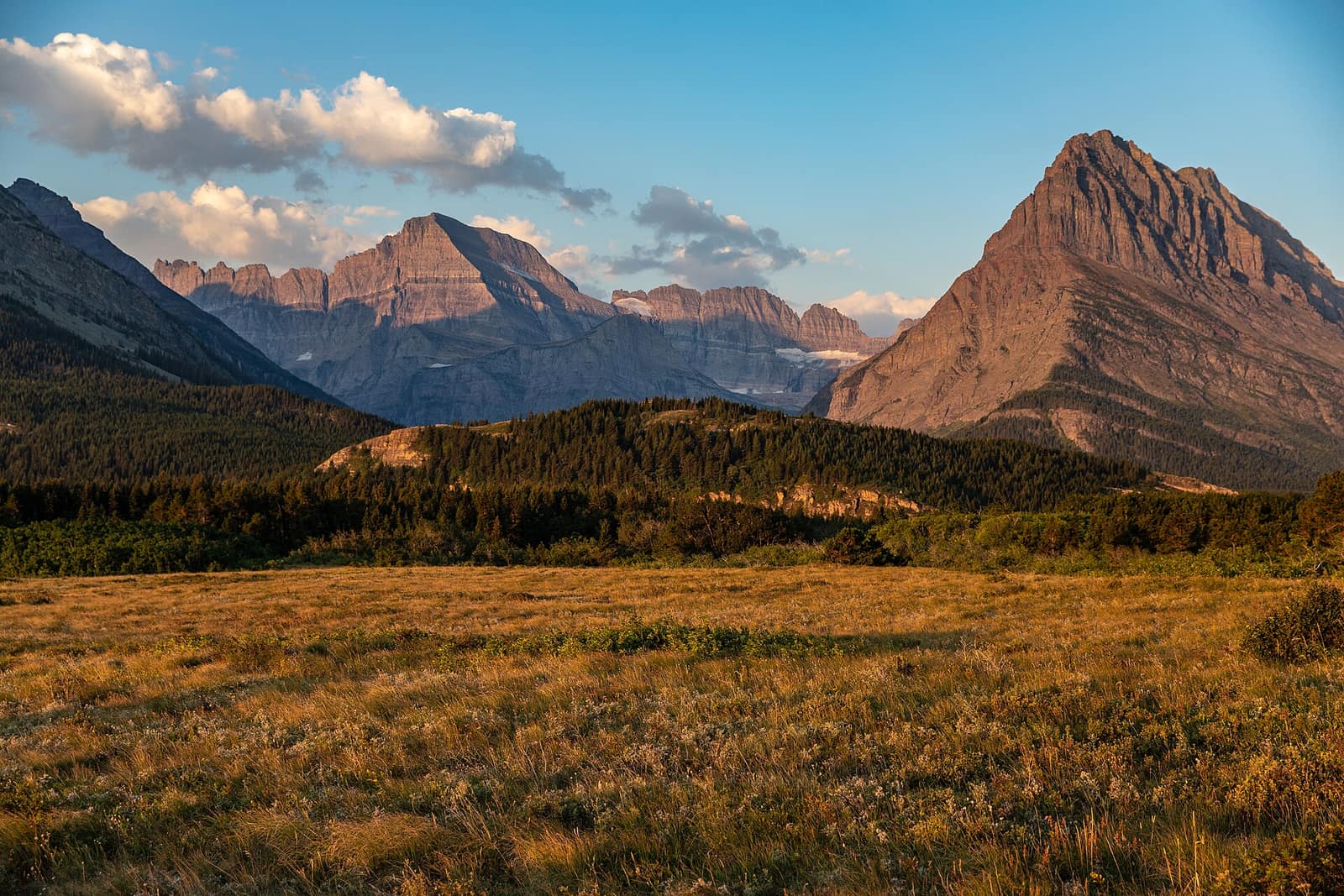
Glacier is, at its core, a hiking park. The park has more than 700 miles of maintained trail, and the terrain gains elevation fast. You go from forested valley floors up to exposed ridgelines with views dropping into multiple drainages at once. The best window to visit is mid-July through mid-September, when the high passes are clear of snow and the alpine wildflowers are in full season above treeline.
Going-to-the-Sun Road is what most people come for: a 50-mile two-lane road that crosses the Continental Divide at Logan Pass (6,646 feet) and cuts through some of the most vertically dramatic terrain on the continent. The full road typically opens late June or early July, depending on snowpack, and closes when snow returns in October. The park uses a timed vehicle reservation system for the Logan Pass corridor during peak summer, running roughly late June through early September. Reservations open months in advance and sell out fast. If you arrive without one, the Logan Pass parking lot fills before 7 a.m. on busy July days. The practical workaround: park at Apgar or St. Mary and take the free park shuttle up. It runs frequently during peak season and drops you right at the pass.
Glacier’s closest full-service town is Whitefish, about 30 minutes from the west entrance. The east side of the park, accessed from St. Mary and Browning on the Blackfeet Reservation side, sees fewer visitors and often has a calmer feel. If you want Glacier without the Going-to-the-Sun Road crowds, the Many Glacier area in the northeast corner of the park is worth knowing about: it has its own campground, hotel, and trail network centered on Swiftcurrent Lake, and it runs on a separate vehicle reservation system.
What Yellowstone National Park Delivers
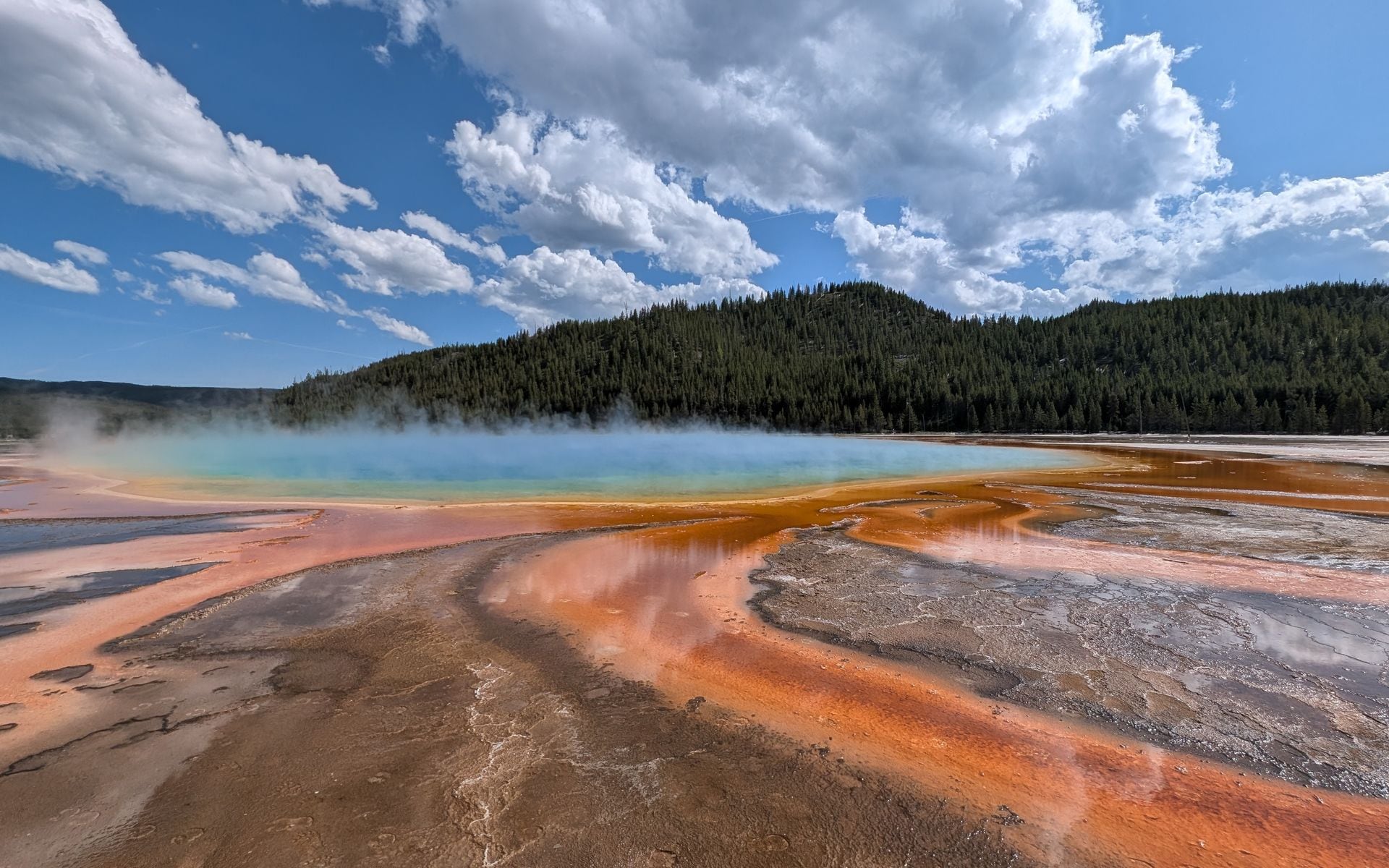
Yellowstone’s strength is variety. In a single day you can watch a geyser erupt on a roughly 90-minute schedule, walk the boardwalks over the Grand Prismatic Spring’s vivid heat pools, drive through a bison herd blocking the road, and then stop at a canyon overlook that drops 300 feet to a waterfall. The geothermal features are unlike anything else in the continental US. The wildlife density in the northern range is extraordinary in a way that’s hard to describe until you’ve seen it.
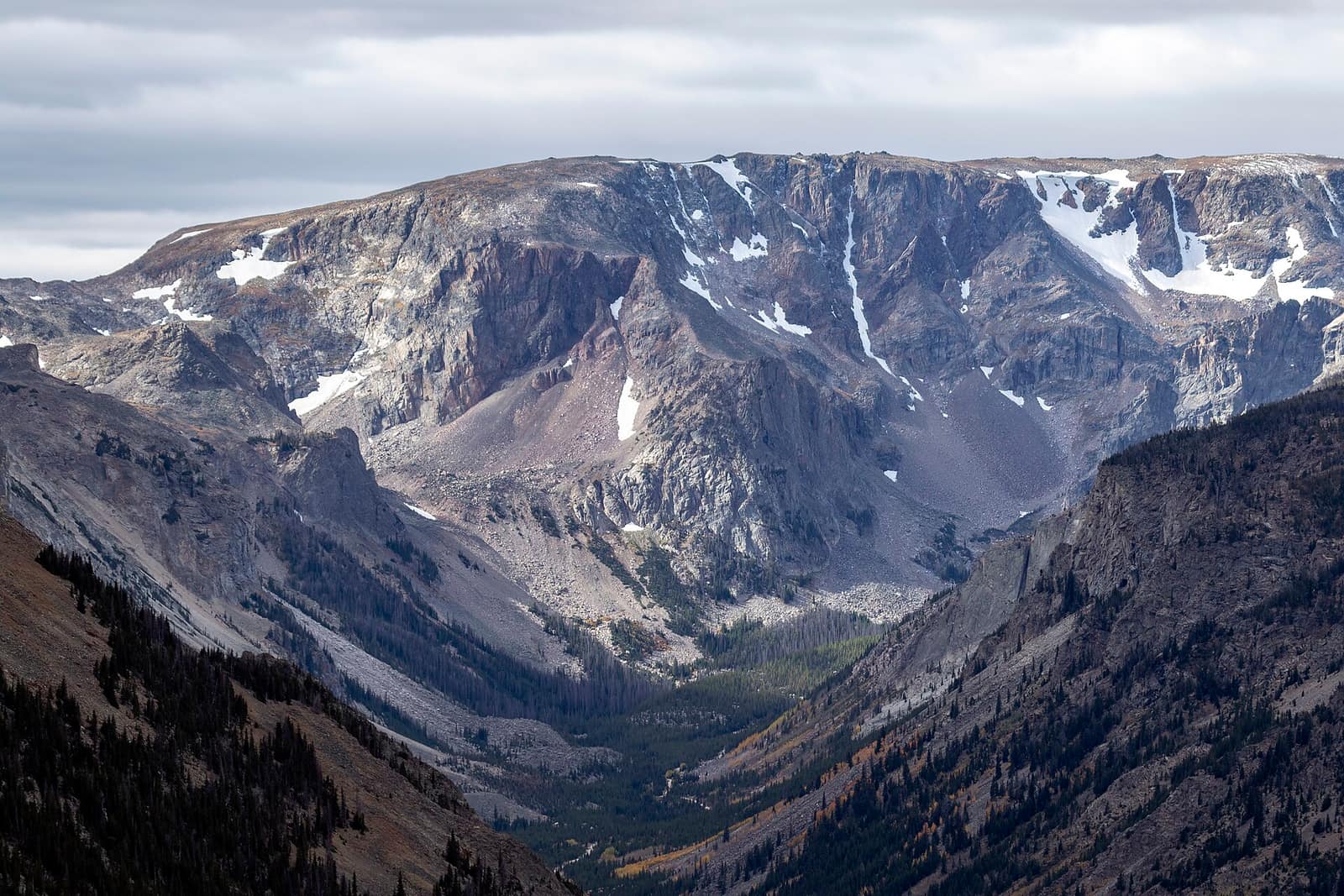
Montana holds three of the park’s five entrances. The North Entrance at Gardiner (on US-89) is the only entrance open to wheeled vehicles year-round, which makes Gardiner a practical base in spring and fall. The West Entrance at West Yellowstone on US-20 is the busiest in summer and worth avoiding during the Fourth of July week if crowds frustrate you. The Northeast Entrance via Cooke City is the road most people skip, which is exactly why it’s worth considering. The Beartooth Highway climbs to nearly 11,000 feet on the way in from Red Lodge, and it legitimately ranks among the best mountain drives in the country. The full Beartooth is open roughly late May through mid-October, weather permitting.
For wildlife, the Lamar Valley in the park’s northeast corner is where you want to be. Wolves reintroduced to the park in 1995 still roam this stretch, and dawn and dusk in May and early June are the best windows for spotting them. Bison are dense along the northern range year-round. Grizzlies move through high meadows from May into November. A quality spotting scope makes a big difference here. For a full breakdown of when to see what, our guide to the best time to see wildlife in Montana covers month-by-month specifics.
Where Each Park Falls Short
Glacier’s main limitation is logistics. The timed vehicle reservation system trips up travelers who don’t plan months ahead. Cell service inside the park is minimal. The season for the full Going-to-the-Sun Road experience is narrow: before late June most years, the road isn’t open all the way through; by late October it’s closed again. And if you’re not a hiker or at least a walker, Glacier narrows quickly. The park is mountains and trails. There are scenic drives and boat tours on the lakes, but the geothermal variety and easy roadside viewing you get at Yellowstone don’t exist here.
Yellowstone’s limitations are crowds and scale. In July and August, Old Faithful, the Grand Canyon of the Yellowstone, and Mammoth Hot Springs are genuinely packed. Lodging inside the park books out six months or more in advance, and even campsites at popular loops fill in spring. The park covers about 3,400 square miles, and first-timers often underestimate how long it takes to drive between features. Rushing a single day through Yellowstone leaves most people feeling like they barely touched it. Two full days is a reasonable minimum; three gives you room to breathe.
Costs and What to Budget
Entry fees are identical: $35 per vehicle for a seven-day pass at both parks. If you’re doing both, or if you visit other national parks regularly, an America the Beautiful annual pass at $80 covers entrance to every fee-charging federal site for a year. Neither park charges extra for day use beyond the entrance fee, though guided tours, boating, and horseback rides cost additionally. For a realistic look at what a Montana trip runs end to end including lodging, food, and car rental, see our breakdown on whether Montana is expensive to visit.
Outside the parks, lodging costs run similarly in both areas. In Whitefish or Kalispell near Glacier, mid-range hotels and vacation rentals run roughly $150 to $280 per night in July and August. In Gardiner or West Yellowstone near Yellowstone, comparable properties run $140 to $260 per night in peak season. Budget options are limited in both areas during summer. Booking four to six months ahead is the norm if you want anything near the parks during the busy months.
How to Decide or Do Both
Here’s a practical framework. Choose Glacier if: you’re coming in July or August and have your reservations sorted, you enjoy hiking or serious walking, you want a park that feels removed from the highway, and you’re flying into FCA or already based in western Montana. Choose Yellowstone if: you have kids who need more variety, you’re primarily there for wildlife, you want a longer season window (May through October works well), or you’re based in Bozeman and want the 90-minute drive.
If you want to do both on one trip, the Montana Travel Guide covers planning a state-spanning road trip in more depth. A workable routing: fly into BZN, spend three days covering Yellowstone’s northern range and central geyser basins, then drive north through the Gallatin Valley and on toward the Flathead. That’s a long drive day at six to seven hours, but you can break it up with a night in Missoula or along the way. Spend two to three days in Glacier. Fly out of FCA. You’ll cover around 600 road miles total, but you’ll see both parks without backtracking.
Frequently asked questions
Is Glacier or Yellowstone better for first-time visitors?
Depends on what you want. First-timers who push themselves physically and want to feel genuinely remote tend to leave Glacier more impressed. First-timers who want a wider range of experiences on easier terrain, including geothermal features and roadside wildlife, tend to prefer Yellowstone. If you’ve never been to either, Yellowstone offers more variety without requiring hiking, which makes it accessible across a broader range of travelers.
Can you visit both Glacier and Yellowstone in one trip?
Yes, with at least eight to ten days. The parks are six to seven hours apart by road. A clean approach: fly into BZN, start with two to three days in the Yellowstone area, drive north to the Flathead Valley over a long day, and finish with two to three days in Glacier. Fly out of FCA in Kalispell. You’ll put roughly 600 miles on the rental car, but you’ll see the two most-visited parks in the state without major backtracking.
Which park is less crowded?
On a per-square-mile basis, Glacier can feel more congested because the main corridor, Going-to-the-Sun Road and Logan Pass, funnels most visitors through a narrow strip of the park. Yellowstone is roughly ten times the size of Glacier, so crowds disperse more. In raw visitor numbers, Yellowstone draws more people annually but absorbs them across more ground. To dodge peak crowds at either park, aim for late September or early October, or arrive before 8 a.m. at any popular trailhead or viewpoint.
When is the best time to visit each park?
For Glacier, mid-July through mid-September is the prime window: the full Going-to-the-Sun Road is open, the high-country trails are snow-free, and daytime temperatures stay in the 60s and 70s. For Yellowstone, May through October works well. May offers uncrowded conditions and highly active wildlife, especially in the Lamar Valley. Late September into October brings elk rut activity and fall color along the northern range. Both parks are dramatically different in winter: Glacier’s high country closes, while Yellowstone’s interior roads convert to groomed routes for snowcoach and snowmobile travel out of West Yellowstone and Gardiner.