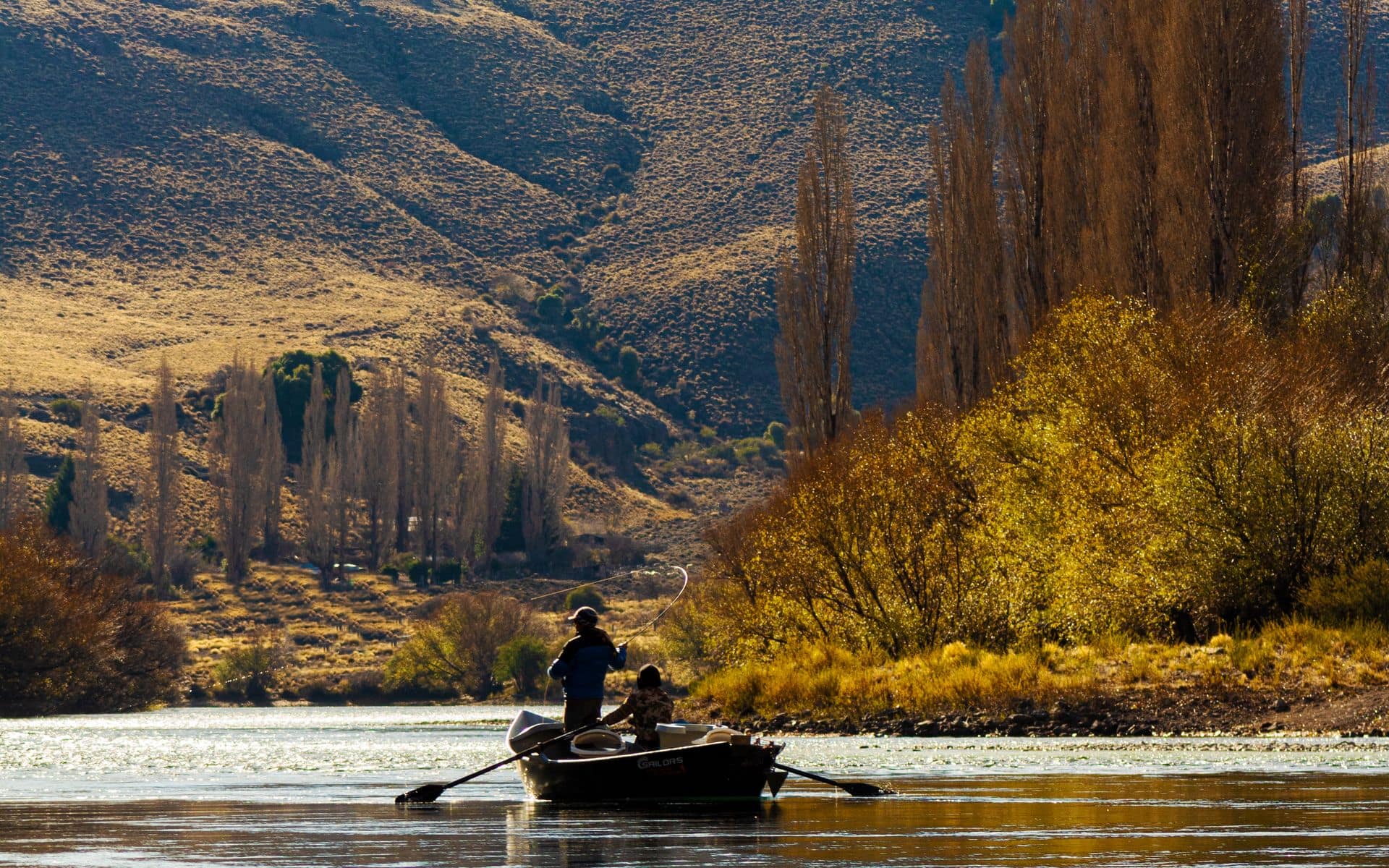
Overview
Montana holds more designated blue-ribbon trout water than any other state, and the challenge is not finding good fishing. It is deciding which rivers to skip. This itinerary threads a route from Bozeman Yellowstone International Airport (BZN) northwest to Missoula (MSO) over five days, hitting four rivers with drive times that keep you on the water rather than behind the wheel.
The four rivers on this trip cover three different fishing experiences: freestone wade water on the Gallatin and Blackfoot, big-river wading and floating on the Yellowstone, and specialized tailwater fishing on the Missouri below Holter Dam. Each calls for a different approach and different fly selections, which makes this trip as much a technical education as a vacation.
Late June through September is the right window for most anglers. The Gallatin and Blackfoot can run high and cloudy through May and early June from snowmelt. The Yellowstone fishes well from late June onward, with August and September often producing the best dry-fly action as water levels drop from irrigation withdrawals upstream. The Missouri at Craig fishes productively year-round, including in winter.
If you have more time and want to extend north to add rivers in the Glacier Country region, including the Flathead drainage and the North Fork of the Blackfoot, the 7 Days in Montana itinerary outlines how to build that route.
Day 1: Arrive Bozeman, Fish the Gallatin Canyon
Fly into BZN and pick up your rental car at the terminal. Drive south on US-191 about 45 minutes into the Gallatin Canyon, where the river runs along the highway through a narrow limestone gorge. Pull-out spots are marked and frequent; you can be wading within an hour of leaving the airport.
The Gallatin holds good populations of rainbow and brown trout through the canyon section, most running 10 to 16 inches with larger browns in the deep pools behind boulders. Short-line nymphing with a double-nymph rig and small attractor dries such as an elk hair caddis or parachute adams both produce through summer. The canyon section reads easily, which makes it good water for calibrating after travel. The fish are not naive, but the river is forgiving on presentation compared to the Missouri or the spring creeks you will fish on Day 2.
US-191 continues south through Big Sky and into Yellowstone National Park at the West Entrance. If you plan to add a park day, the National Parks page covers what to expect at Montana's Yellowstone entrances and the timed entry system. The park boundary is roughly one hour south of Bozeman.
Return to Bozeman for the night. The drive back from the better canyon fishing sections takes about 45 minutes.
Day 2: Yellowstone River and Paradise Valley
From Bozeman, drive 25 minutes north on I-90 to Livingston, then south on US-89 into Paradise Valley. The Yellowstone River runs the full length of the valley, roughly 50 miles from the park boundary north to Livingston. It is one of the longest free-flowing rivers in the lower 48, wide and fast in summer, with strong populations of rainbow and brown trout. A guided float from the Emigrant area south to Livingston covers a productive stretch of public water. Full-day guided floats on the Yellowstone typically run $500 to $650 for two anglers (estimate), including the drift boat, guide, and lunch.
The private spring creeks in Paradise Valley are worth knowing about before you go. DePuy Spring Creek and Nelson's Spring Creek are well-regarded technical fisheries limited to a small number of rods per day, which keeps pressure low and fish selective. Access fees run roughly $75 to $125 per person per day (estimate). Reservations for July and August fill two to four months in advance, so plan ahead if this is a priority. The spring creeks hold large browns and rainbows in slow, clear water that demands precise leader presentation and correct fly selection. If you have only fished freestone water, this will be a step up in difficulty.
One detail the Yellowstone does not advertise: late August tends to produce some of the best dry-fly fishing of the season, not July. Once irrigation withdrawals upstream ease off and water levels drop, visibility improves and fish move more aggressively to the surface. If your schedule has flexibility, late August through mid-September is the window to target.
Stay in Livingston or return to Bozeman for night two.
Day 3: Drive to Craig, Fish the Missouri Afternoon
From Bozeman, take US-287 north through Townsend and along the east shore of Canyon Ferry Reservoir. Craig is about 80 miles from Bozeman, roughly 1.5 to 2 hours. Helena sits 25 miles south of Craig on I-15. Stop there for gas, groceries, and any last-minute gear. Craig itself has a small café and a handful of outfitter lodges; services are extremely limited.
The Missouri River tailwater below Holter Dam is one of the most productive trophy trout fisheries in the country. The dam regulates water temperature and flow year-round, which drives prolific hatches of midges, Blue-Winged Olives, and Pale Morning Duns. Browns and rainbows in the 18 to 24-inch range are caught regularly here, and fish that size have seen plenty of flies. They require accurate, drag-free presentations on light tippet, usually 5X or 6X.
Arrive in the early afternoon and get a few hours on the water to learn how the Missouri reads before your full day on Day 4. Wade access is good at the Craig Fishing Access Site just off MT-434. The public wading sections below the dam give you a feel for the river's pace and structure without needing a drift boat for your first session.
Day 4: Full Day on the Missouri
Book a full-day guided float for Day 4. Guided floats on the Missouri at Craig typically run $550 to $700 for two anglers (estimate), which breaks down to roughly $275 to $350 per person. A local guide will put you on water different from what you covered yesterday afternoon and call the hatch through the day, which changes from midges at dawn to BWOs and PMDs through midday.
A detail that experienced Missouri River anglers know: the fishing often strengthens in the afternoon as caddis and BWO activity intensifies. Do not pack up early. The window from about 2 pm through evening can produce the best surface action of the day, especially in July and August.
If you are self-guiding on both Craig days, bring long leaders of 12 to 14 feet and carry size 18 to 22 midge, scud, and San Juan worm patterns. The Dearborn Recreation Area and the Craig Fishing Access Site both provide solid wading water on the public sections. Fish here are educated and will refuse flies that drag even slightly.
Day 5: Blackfoot River, Depart Missoula
From Craig, drive south on I-15 to Helena, then head west on US-12 over Mullan Pass into Missoula. Total drive time is roughly 1.5 to 2 hours. From Missoula, the Blackfoot River runs northeast along MT-200 toward the town of Lincoln. The Johnsrud Park fishing access site is about 25 miles from downtown Missoula and is the most popular put-in for wade anglers and day floats on the lower river.
Norman Maclean set his novel on the Blackfoot, which eventually brought conservation attention that cleaned up the river from decades of mining impacts upstream. The Blackfoot today holds westslope cutthroat, rainbow, and brown trout in clear, boulder-pocket water. It reads like textbook Montana wade fishing: find the seams and eddies behind the big rocks, present a dry-dropper rig tight to structure, and move upstream through the runs.
For less pressure, drive past Johnsrud Park another 15 to 20 minutes east toward the upper river near the North Fork confluence. The fishing is comparable and the crowds are noticeably thinner, particularly on weekdays. Elk hair caddis and parachute adams patterns can draw rises through summer afternoons on the upper sections.
Fly out of Missoula (MSO) in the evening. If your flights work better from Bozeman, the drive back east on I-90 is about 2.5 hours. Missoula is also the logical base if you want to extend the trip: the Bitterroot Valley and Clark Fork are accessible to the south and west, and Flathead Lake and the Swan River are two to three hours north on US-93.
Where to Stay
Base in Bozeman for the first two nights. The town has a wide range of lodging options near BZN airport, from chain hotels along N 7th Ave to smaller motels in the downtown core. Livingston, 25 miles north on I-90, is a quieter and often less expensive alternative with a ranching-town character and direct access to Paradise Valley and US-89.
For nights three and four in Craig, options are limited but purpose-built for fishing. Several outfitter lodges operate on or near the river and offer package deals combining lodging and guided floats. These book fast in summer; contact them 60 to 90 days ahead for July and August dates. Helena is the alternative, with a 25 to 30-minute drive north to Craig each morning on I-15.
For night five in Missoula, you will find the widest range of options: chain hotels near the airport, downtown properties along the Clark Fork, and several smaller B&Bs. Missoula is also the right base for anyone extending the trip to fish the Bitterroot River or the upper Clark Fork.
Book These Ahead
Montana fly fishing guide services book fast in peak season. The following items require advance planning.
Private spring creek access on DePuy Spring Creek and Nelson's Spring Creek in Paradise Valley fills two to four months out for July and August. Contact both directly and ask to be added to a waitlist if your target dates are already taken. Guided floats on the Missouri at Craig are similarly competitive for peak dates; request a booking 60 to 90 days ahead.
Your Montana nonresident fishing license is required before you wet a line. Buy it online at fwp.mt.gov before leaving home to avoid connectivity issues at rural access points. Approximate current rates for nonresidents: annual license around $90 to $100, 10-day around $50 to $60, 2-day around $20 to $25 (estimates; verify current rates on the FWP site). All anglers age 12 and older also need a conservation license.
Bring bear spray on this trip. Grizzlies range through the Gallatin Canyon and the riparian corridors near Yellowstone, and encounters at river access sites do occur. If fly fishing is one part of a broader Montana trip rather than the sole focus, the 5 Days in Montana itinerary mixes river time with national parks and towns for a well-rounded first visit. For a complete planning overview including airports, driving distances, and seasonal expectations, start with the Montana Travel Guide.
Frequently asked questions
Do you need a guide for a Montana fly fishing trip?
Not strictly, but a guide makes a significant difference on unfamiliar water. Montana rivers are large, public access points can be hard to find, and a local guide will have you on fish within the first hour rather than spending the morning reading the water. Full-day guided floats run roughly $500 to $700 for two anglers (estimate). If you are wading self-guided, buy a county map and confirm public fishing access site locations ahead of time; not every roadside pullout along these rivers is legal fishing access.
When is the best time to fish Montana rivers?
Late June through September covers the main window for most out-of-state visitors. High snowmelt through May and early June muddies the Gallatin, Blackfoot, and Yellowstone. By late June most rivers clear and flows stabilize. August and September tend to produce the best dry-fly fishing on the Yellowstone and Blackfoot as water levels drop. The Missouri River tailwater at Craig fishes well in all four seasons, including late fall and winter.
What flies should I bring for Montana trout rivers?
A solid starting box covers all the water on this trip. For the Gallatin and Blackfoot: elk hair caddis, parachute adams, and royal wulff in sizes 12 to 16 for dries; hare's ear, pheasant tail, and prince nymph in 14 to 18 for subsurface. For the Yellowstone: grasshopper and stimulator patterns in late summer, plus PMD emergers in July. For the Missouri at Craig: midge clusters, RS2, and scud patterns in sizes 18 to 22 are essential. Your guide will tell you exactly what is working when you arrive.