Whitefish Mountain Resort rises out of the northwest corner of Montana with 3,000 skiable acres, roughly 300 inches of annual snowfall from Pacific storm systems, and a base town you can walk through at the end of the ski day. The resort was called Big Mountain for decades before the name change in 2007, and locals still use both names. What hasn’t changed is its position: 8 miles above the town of Whitefish, about 25 miles east of Glacier National Park’s west entrance, and 30 minutes from FCA (Glacier Park International Airport in Kalispell). For a side-by-side look at how it compares to Big Sky, Bridger Bowl, and Red Lodge Mountain, the skiing and snowboarding in Montana page breaks down all the major resorts.
What Whitefish Mountain Resort Offers
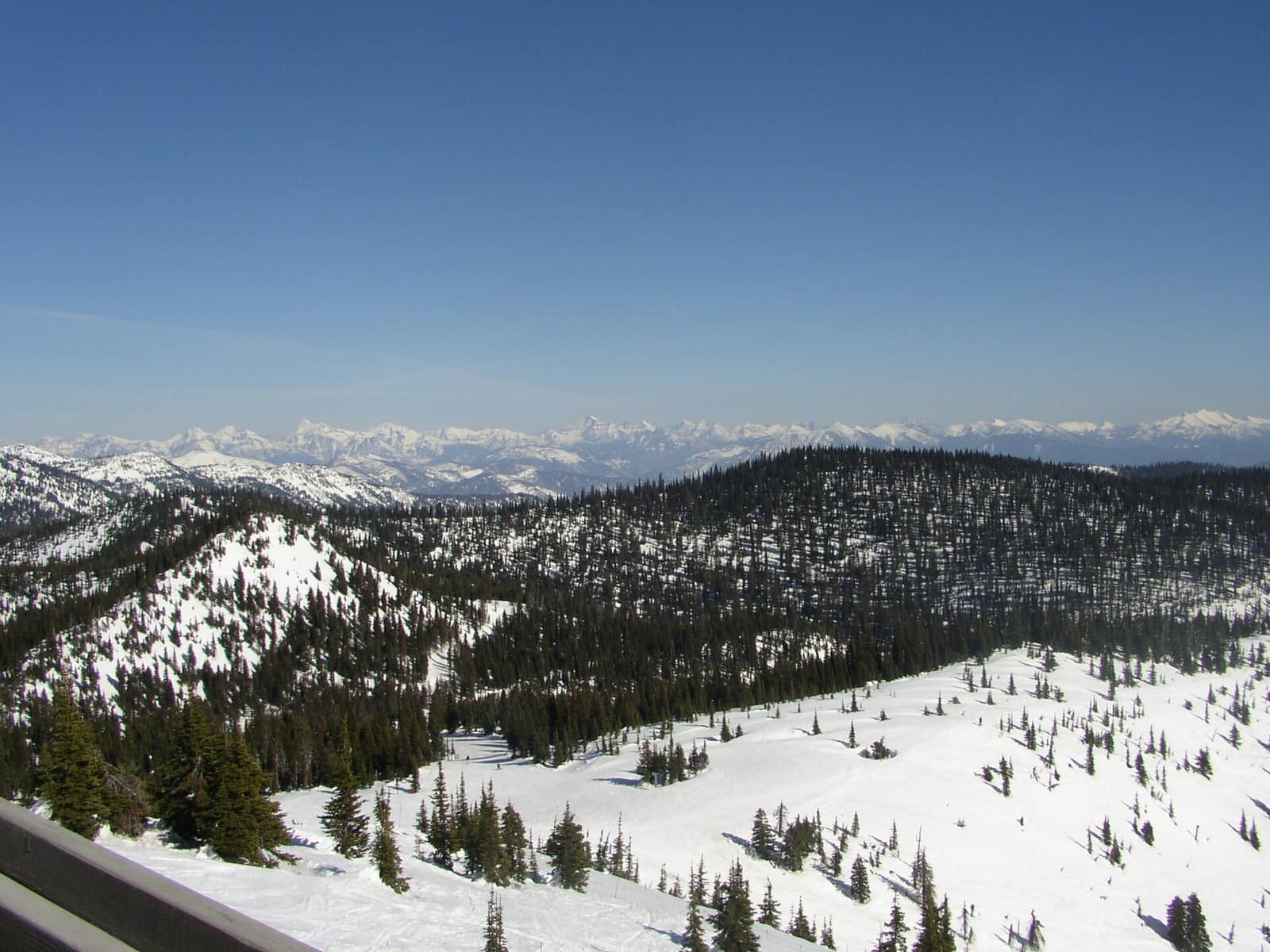
The numbers: 3,000 skiable acres, 2,353 feet of vertical drop, a summit elevation of 6,817 feet, and a base area at 4,464 feet. The mountain averages around 300 inches of snowfall per year, which puts it among the higher-accumulation ski areas in Montana.
The resort has 13 lifts including high-speed detachable quads that move most of the intermediate and upper-mountain traffic. A gondola runs from the mid-mountain base to the summit, which matters on cold days or when the wind picks up on the exposed upper ridges. Season runs roughly from Thanksgiving week through mid-April, with the core ski window falling in January and February. The Christmas-to-New-Year stretch and the Martin Luther King weekend are the two busiest and most expensive periods. If you’re targeting either window, lock in lodging three to four months ahead.
The Terrain Breakdown
Whitefish Mountain Resort distributes its 105 runs across terrain that leans intermediate. Roughly 20 percent of the mountain is rated beginner, concentrated on the lower flanks near the base area. Intermediate runs make up the bulk of the skiable terrain, with long groomed cruisers along the main ridgelines and accessible gladed routes through the trees.
The expert terrain is serious. Hellroaring Basin, on the north-facing side of the mountain, is the area that separates Whitefish from most other Montana ski areas below Big Sky in scale. It is ungroomed, avalanche-controlled terrain with sustained steeps and tree skiing that rewards patience. If you ski that level, spend a morning learning the fall line before committing to the steeper chutes.
Beginners have more than one chair to choose from. The lower mountain has enough variety for a full day without repeating runs, which is useful when you’re traveling with mixed ability levels. Families with kids in ski school tend to work well at Whitefish because the beginner terrain connects directly to the base facilities without requiring lifts that exceed what a new skier can manage.
The Snow at Whitefish Mountain Resort
The Pacific moisture that feeds the Whitefish Range comes from the west before crossing the Continental Divide, so the resort picks up storms that lose significant energy by the time they reach Bozeman or Big Sky. The snow is heavier and wetter than the champagne powder Big Sky gets in its dry continental belt, but it comes in bigger accumulations. After a three-day storm cycle, the north-facing glades at Whitefish can hold untracked snow for two or three days because the cold aspect and tree cover preserve it.
January and February are the most reliable months for snow quality. Early December can run thin, particularly on lower-elevation runs, though the mountain grooms snow on primary terrain to extend the early season. March and April skiing at Whitefish can be strong: spring corn snow on south-facing runs, and cold preserved conditions still in the trees on north aspects. Closing day typically falls in mid-April, later in a high-snowfall year.
The Town of Whitefish
Whitefish sits 8 miles below the mountain on US-93. It has a walkable Main Street with restaurants, bars, and breweries that fill up on ski nights. Great Northern Brewing Company, open since 1995, is a local institution. The downtown hotel and motel strip gives you options across price points, with rates typically running $100 to $280 per night (estimate), jumping 30 to 50 percent during Christmas week and the MLK weekend.
A free shuttle runs between the town and the base area on a regular schedule during the ski season. If you’re staying in town, you do not need to drive the mountain road. That matters in a Montana winter: icy mornings, limited parking at the base, and the freedom to order a beer at dinner without a car involved are all real advantages.
For the full year-round picture of what the town offers, Whitefish covers the summer calendar, the waterfront, and what makes this specific town worth a longer look.
Pairing Whitefish Mountain Resort with Glacier National Park
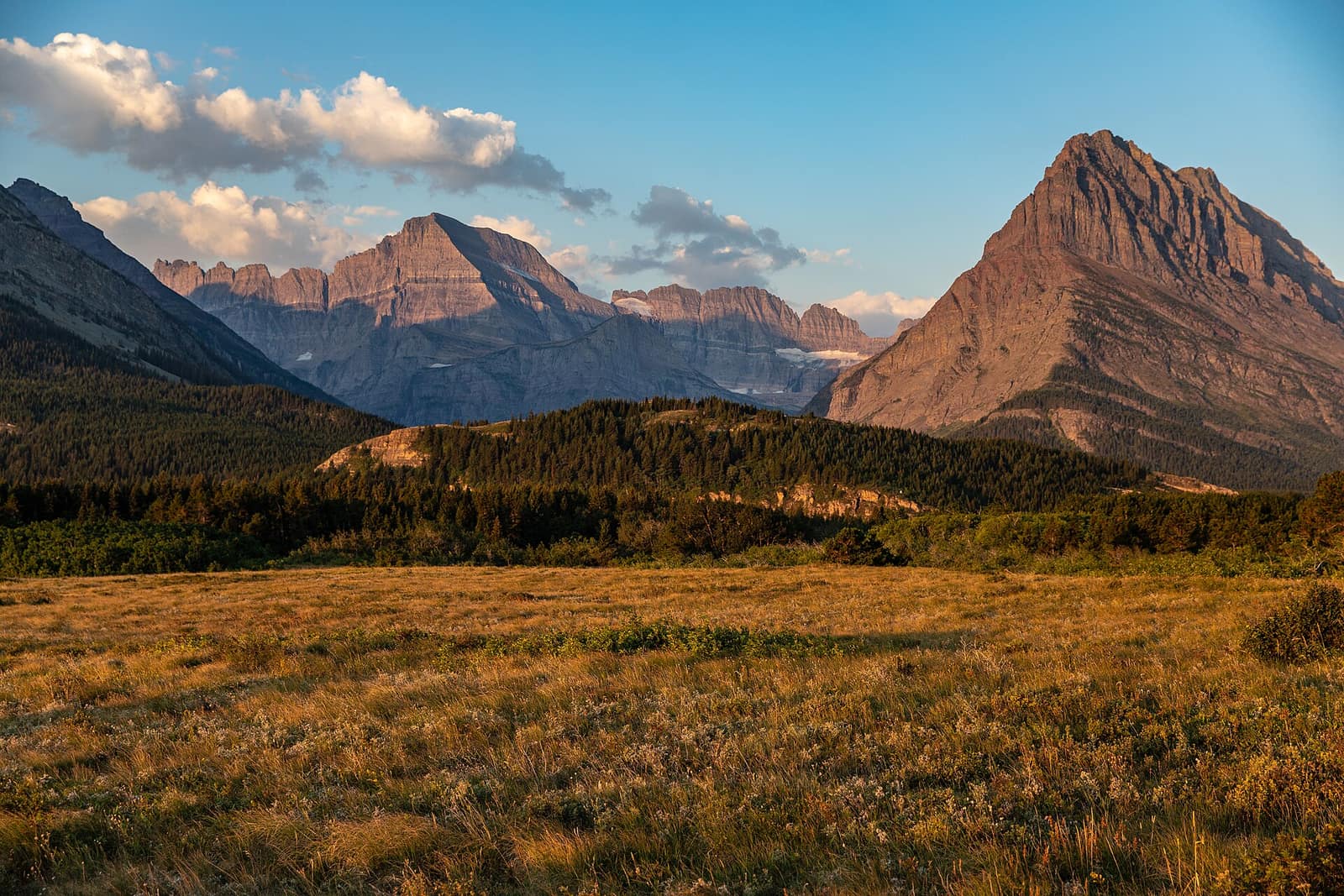
The west entrance to Glacier National Park is about 25 miles from the resort, roughly 30 minutes by car. Going-to-the-Sun Road closes for the season in October and does not fully reopen until late June or early July, so the full road crossing is not an option in winter. The Apgar Village area and Lake McDonald, about 10 miles inside the west entrance near West Glacier, are accessible year-round. The lake sits quiet in winter with the surrounding peaks holding deep snow, and you can drive in, park near the lakeshore, and snowshoe or walk without the summer crowds.
This pairing works well as a 4-to-5-day trip structure: ski two or three days at Whitefish Mountain Resort, drive into Glacier for a winter day, and use the town of Whitefish as your base throughout. You’re not relocating lodging between activities, and you’re seeing two very different versions of northwest Montana on one trip. For a broader read on what the region holds, Glacier Country covers the full northwest corner from Flathead Lake up through the park boundary.
If you’re weighing northwest Montana against the Bozeman-Big Sky corridor for a ski trip, the best ski resorts in Montana comparison covers what each mountain does well and who it suits.
Planning Your Trip to Whitefish Mountain Resort
Getting there. FCA (Glacier Park International Airport in Kalispell) is 25 miles from Whitefish and the most direct entry point. It has nonstop service from Seattle, Denver, Salt Lake City, and several other hubs. Renting a car at FCA is the standard move. One option that almost no ski destination in the US offers: Amtrak’s Empire Builder stops at Whitefish’s downtown station, with service from Chicago via Minneapolis to the west and from Seattle going east. If you’re routing through Seattle or the Pacific Northwest, the train is a realistic option and keeps you out of the rental car situation entirely.
From Missoula, Whitefish is about 2.5 hours north on US-93. From Bozeman, it’s roughly 4.5 to 5 hours, which is why most people flying from the east fly into FCA rather than BZN for a Whitefish-specific trip.
Lift tickets. Window pricing runs approximately $100 to $150 per day (estimate; these are 2025-2026 season figures and vary by date and lead time). Buying online before arrival saves money over the window rate, and multi-day packages bring the effective daily rate down further. The resort participates in some third-party ski pass programs, so check whether your existing pass includes Whitefish Mountain Resort before buying a separate ticket. Current ticket pricing and trail conditions are at skiwhitefish.com.
When to go. January and February have the most consistent snow and the mountain operating at full capacity. For fewer crowds with reasonable conditions, early January before the MLK weekend and the first three weeks of March are both solid windows. Spring skiing in late March and into April can reward you with consolidated north-facing snow and good weather, with the added appeal of lower rates and nearly empty lifts on weekdays.
For the full winter context, Montana in winter covers the state’s ski season alongside Yellowstone wolf watching and hot springs. And if you’re still calibrating when to come, the best time to visit Montana puts the ski season in relation to everything else the state offers.
Frequently Asked Questions
Is Whitefish Mountain Resort good for beginners?
Yes. The lower mountain has enough varied beginner terrain to fill a full day without repeating runs. The spread of lifts means beginners can stay on the lower sections while stronger skiers in the group head to the upper mountain. The free shuttle from town also simplifies logistics for families with kids in lesson programs.
How far is Whitefish Mountain Resort from Glacier National Park?
Glacier’s west entrance at West Glacier is about 25 miles from the resort, roughly 30 minutes by car. In winter, Going-to-the-Sun Road is closed beyond Apgar Village, but the Lake McDonald area is accessible year-round and worth a half-day on a non-ski day.
How does Whitefish Mountain Resort compare to Big Sky?
Big Sky Resort is larger in both acreage (5,850 vs. 3,000) and vertical drop (4,350 feet vs. 2,353). Big Sky’s expert terrain at Lone Peak is more extreme. Whitefish offers a more compact trip with a walkable ski town, direct access to Glacier National Park, and lift tickets that typically run $30 to $50 per day cheaper. Most intermediate and advanced skiers find enough terrain at Whitefish for a week without repeating. The choice often comes down to which region of Montana you want to anchor from.